
Protest Digital Privacy: 5 Essential Steps to Protect Your Data on the Streets

Exercising your right to voice your opinion is a powerful thing, but in today’s world, it comes with a side of digital risk. Law enforcement and various agencies now use high-tech tools to keep tabs on crowds, which means you need to be smart about your protest digital privacy . When you head out to the streets, you aren't just bringing your signs; you are carrying a beacon of data in your pocket. Learning how to protest safely means understanding that your physical safety and your digital security are now completely intertwined.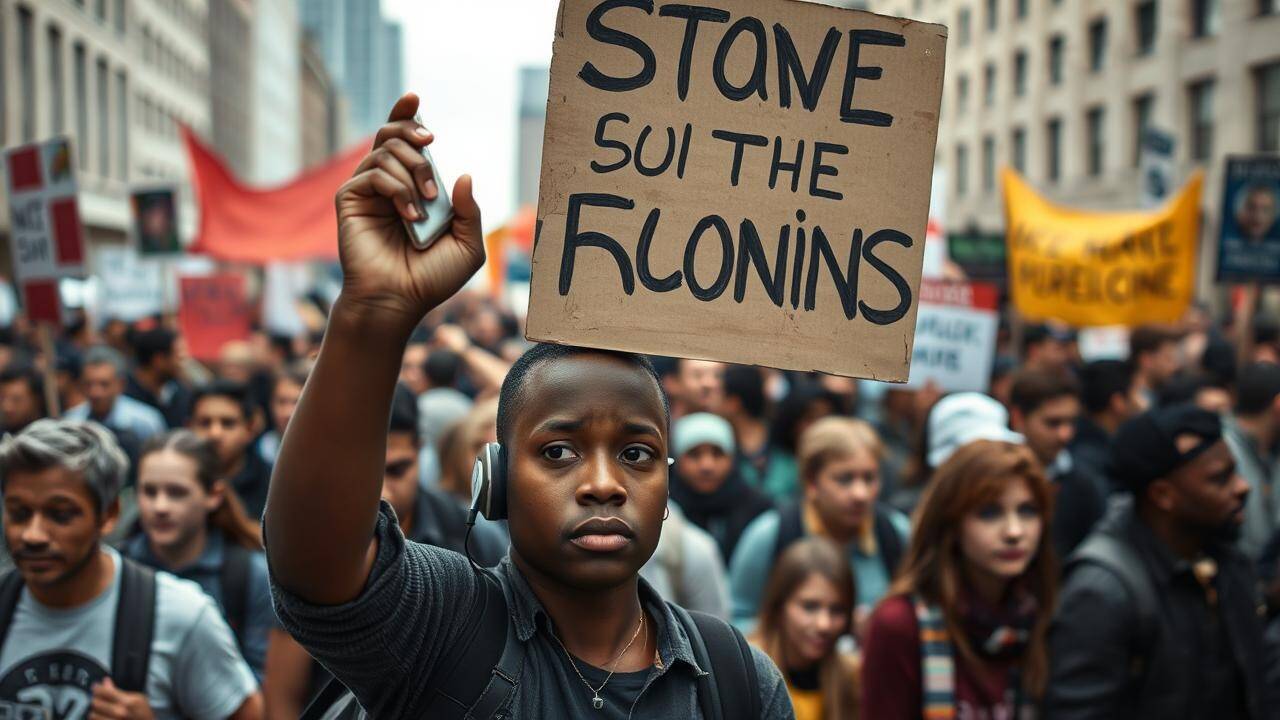
The Two Big Risks of Protest Surveillance
Before you even leave your house, you have to realize that surveillance happens in two main ways. First, there is the risk of what happens to your data if you are detained and your phone is confiscated. Second, there is the invisible net cast over the entire area using tools like IMSI catchers (Stingrays), license plate readers, and facial recognition. This broad protest surveillance is designed to sweep up identifying info from everyone in the vicinity. As the Wired article points out, "Two key elements of digital surveillance should be top of mind for protestors." One is the data on your device, and the other is the trail of digital breadcrumbs you leave behind just by being there.
To Bring or Not to Bring Your Phone
The most effective way to ensure your protest digital privacy is the simplest: leave your primary phone at home. Your main device is a goldmine of your life’s history, from emails to banking and private chats. If you absolutely need a way to communicate, consider using a "burner" or a secondary phone with minimal personal info. If you do bring a device, keeping it in a Faraday bag can block all radio signals until you actually need to use it. This small step is a major part of how to protest safely because it prevents your phone from pinging nearby cell towers and revealing your location.
Locking Down Your Device Settings
If you decide to bring your smartphone, you need to change how you lock it. Biometrics like FaceID or fingerprint scanners are convenient, but they are a liability at a protest. Law enforcement can sometimes legally or physically compel you to provide a biometric unlock, but they cannot force you to reveal a memorized passcode. "Disable biometrics," experts suggest, and switch to a strong alphanumeric passcode of at least 6 to 12 characters. This layer of protest surveillance protection ensures that if your phone ends up in the wrong hands, your private data remains encrypted and inaccessible.
Messaging and Communication Security
When you are coordinating with friends, the apps you use matter immensely. Standard SMS text messages are incredibly easy to intercept. To maintain your protest digital privacy, stick to end-to-end encrypted apps like Signal. One of the best features for high-risk environments is "disappearing messages," which automatically wipes your chat history after a set period. This ensures that even if someone gets into your phone later, there is no record of your conversations. Knowing how to protest safely involves making sure your digital footprint disappears as quickly as you do.
Managing Your Digital Trail in Public
Cameras are everywhere at a rally, and not all of them belong to the media. To avoid protest surveillance, be mindful of facial recognition tech. Wearing a mask and sunglasses isn't just about health; it's a practical way to obscure your features from AI scanners. Additionally, be careful with the photos you take and post. Images contain metadata that reveals exactly when and where a photo was taken. Before sharing anything online, use a tool to scrub that metadata or simply take a screenshot of the photo and share that instead. Protecting others' protest digital privacy is just as important as protecting your own, so blur faces and unique tattoos before hitting upload.
Post-Protest Digital Hygiene
Once the event is over, your work isn't quite done. If you suspect your data was compromised or if you lost your device, change your passwords immediately from a secure computer. This will log you out of active sessions on the missing device. Staying informed on how to protest safely is an ongoing process as technology evolves. By taking these steps, you can focus on the cause you believe in without worrying that your protest surveillance record will follow you home.
The Two Big Risks of Protest Surveillance
Before you even leave your house, you have to realize that surveillance happens in two main ways. First, there is the risk of what happens to your data if you are detained and your phone is confiscated. Second, there is the invisible net cast over the entire area using tools like IMSI catchers (Stingrays), license plate readers, and facial recognition. This broad protest surveillance is designed to sweep up identifying info from everyone in the vicinity. As the Wired article points out, "Two key elements of digital surveillance should be top of mind for protestors." One is the data on your device, and the other is the trail of digital breadcrumbs you leave behind just by being there.To Bring or Not to Bring Your Phone
The most effective way to ensure your protest digital privacy is the simplest: leave your primary phone at home. Your main device is a goldmine of your life’s history, from emails to banking and private chats. If you absolutely need a way to communicate, consider using a "burner" or a secondary phone with minimal personal info. If you do bring a device, keeping it in a Faraday bag can block all radio signals until you actually need to use it. This small step is a major part of how to protest safely because it prevents your phone from pinging nearby cell towers and revealing your location.Locking Down Your Device Settings
If you decide to bring your smartphone, you need to change how you lock it. Biometrics like FaceID or fingerprint scanners are convenient, but they are a liability at a protest. Law enforcement can sometimes legally or physically compel you to provide a biometric unlock, but they cannot force you to reveal a memorized passcode. "Disable biometrics," experts suggest, and switch to a strong alphanumeric passcode of at least 6 to 12 characters. This layer of protest surveillance protection ensures that if your phone ends up in the wrong hands, your private data remains encrypted and inaccessible. Messaging and Communication Security
When you are coordinating with friends, the apps you use matter immensely. Standard SMS text messages are incredibly easy to intercept. To maintain your protest digital privacy, stick to end-to-end encrypted apps like Signal. One of the best features for high-risk environments is "disappearing messages," which automatically wipes your chat history after a set period. This ensures that even if someone gets into your phone later, there is no record of your conversations. Knowing how to protest safely involves making sure your digital footprint disappears as quickly as you do.Managing Your Digital Trail in Public
Cameras are everywhere at a rally, and not all of them belong to the media. To avoid protest surveillance, be mindful of facial recognition tech. Wearing a mask and sunglasses isn't just about health; it's a practical way to obscure your features from AI scanners. Additionally, be careful with the photos you take and post. Images contain metadata that reveals exactly when and where a photo was taken. Before sharing anything online, use a tool to scrub that metadata or simply take a screenshot of the photo and share that instead. Protecting others' protest digital privacy is just as important as protecting your own, so blur faces and unique tattoos before hitting upload. Post-Protest Digital Hygiene
Once the event is over, your work isn't quite done. If you suspect your data was compromised or if you lost your device, change your passwords immediately from a secure computer. This will log you out of active sessions on the missing device. Staying informed on how to protest safely is an ongoing process as technology evolves. By taking these steps, you can focus on the cause you believe in without worrying that your protest surveillance record will follow you home. Next Story