
How AI Is Becoming a Friend for Many People and What It Means Psychologically

There was a time when talking to a machine felt strange, almost uncomfortable. Today, it feels surprisingly normal. People are not just asking AI for information anymore, they are sharing thoughts, venting emotions, and even seeking comfort. If you have ever found yourself typing something personal to an AI and feeling heard, you are not alone.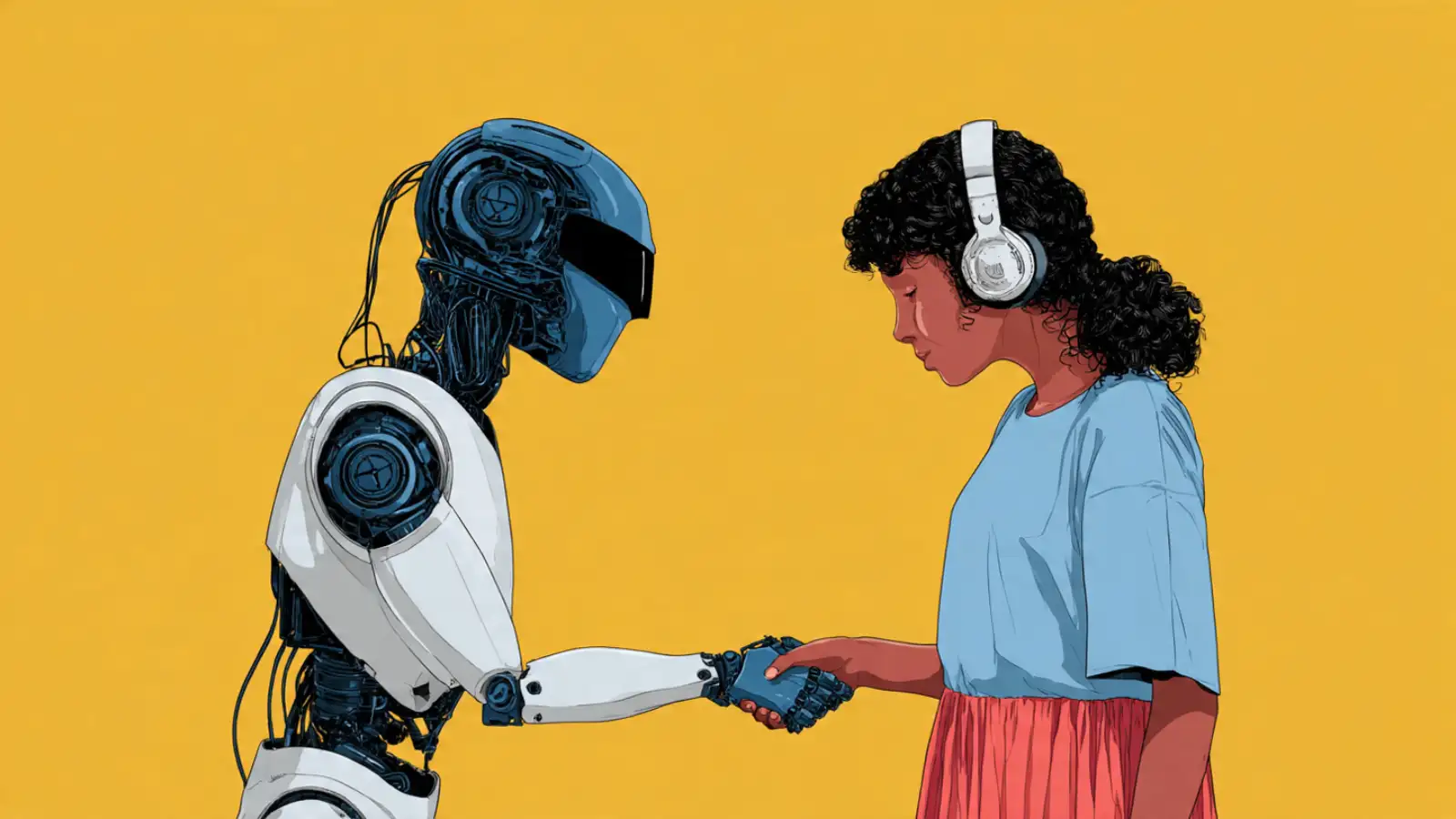
This shift raises an interesting question. Why do we treat AI like a friend, even when we know it is not human? The answer lies deep within human psychology. Our minds are wired for connection, understanding, and emotional expression. When technology starts to respond in ways that feel human, something powerful happens. The line between tool and companion begins to blur.
Understanding this behavior is important because it reflects how our relationship with technology is evolving. It also tells us something meaningful about human needs, especially in a world that is more connected digitally but often feels emotionally distant.
When people talk to AI, they are often fulfilling a basic emotional need. It may be the need to express thoughts freely, to share something without fear of judgment, or simply to feel less alone. Even though AI does not truly feel emotions, it can simulate understanding in a way that feels real enough to the human mind.
This is closely linked to the idea of emotional connection with AI . When responses feel empathetic and relevant, the brain begins to process the interaction similarly to human conversation. Over time, this can create a sense of familiarity and comfort.
AI does not interrupt, judge, or react emotionally. It listens patiently and responds thoughtfully. This creates a space where people feel more comfortable sharing things they might hesitate to say out loud to someone else.
In many ways, this reflects the psychology of human-AI interaction . When people feel psychologically safe, they are more likely to be honest and expressive. AI unintentionally becomes a space where individuals can process thoughts without pressure.
When AI uses natural, conversational language, it feels less like a machine and more like a companion. Small details such as remembering context, responding with warmth, or adapting to the user's style make interactions feel personal.
This creates a sense of digital companionship . Even though users know the interaction is artificial, the experience itself feels genuine. The brain focuses more on how something feels rather than what it logically knows.
In this environment, AI becomes more than just a tool. It becomes a presence. A place where someone can talk at any time, without waiting for a response or worrying about availability.
This is where AI and loneliness become closely connected. AI does not replace human relationships, but it fills small gaps. It offers a sense of interaction during moments when human connection is not easily accessible.
This happens because humans interpret meaning based on language and tone. If something sounds caring or thoughtful, the brain reacts emotionally. It does not always stop to question the source deeply.
Over time, repeated interactions strengthen this effect. The more consistent and supportive the responses, the more the brain begins to associate AI with understanding and reliability.
With AI, there is a sense of control. The interaction is steady, consistent, and predictable. This creates comfort.
People can guide the conversation, pause when they want, and return whenever they feel like it. This flexibility makes AI interactions feel less demanding and more manageable, especially during emotionally overwhelming moments.
This encourages honesty. People often find it easier to articulate thoughts when they know there will be no negative reaction.
This aspect highlights an important part of human behavior. Sometimes, people are not just looking for advice or answers. They are looking for a space to think out loud and feel understood, even if that understanding is simulated.
This does not mean people are confused about what AI is. Most users understand that AI is not human. However, the experience of interaction can still feel meaningful.
This is where the concept of humanizing technology comes into play. When machines adopt human-like communication patterns, people naturally respond in human ways. It is not about believing the AI is real, but about how real the interaction feels.
This raises important questions. How will this affect human relationships? Will people rely more on AI for emotional support? Or will it simply become another layer of communication in our lives?
What is clear is that AI is not just changing how we access information. It is changing how we express ourselves and how we seek connection.
This shift raises an interesting question. Why do we treat AI like a friend, even when we know it is not human? The answer lies deep within human psychology. Our minds are wired for connection, understanding, and emotional expression. When technology starts to respond in ways that feel human, something powerful happens. The line between tool and companion begins to blur.
Understanding this behavior is important because it reflects how our relationship with technology is evolving. It also tells us something meaningful about human needs, especially in a world that is more connected digitally but often feels emotionally distant.
The Human Need for Connection
At the core of this behavior is a simple truth. Humans are social beings. We are wired to connect, to be understood, and to feel heard. This need does not switch off just because the other side is a machine.When people talk to AI, they are often fulfilling a basic emotional need. It may be the need to express thoughts freely, to share something without fear of judgment, or simply to feel less alone. Even though AI does not truly feel emotions, it can simulate understanding in a way that feels real enough to the human mind.
This is closely linked to the idea of emotional connection with AI . When responses feel empathetic and relevant, the brain begins to process the interaction similarly to human conversation. Over time, this can create a sense of familiarity and comfort.
Why AI Feels Safe to Talk To
One of the biggest reasons people open up to AI is the sense of safety it provides. Unlike human interactions, there is no fear of criticism, rejection, or misunderstanding in the traditional sense.AI does not interrupt, judge, or react emotionally. It listens patiently and responds thoughtfully. This creates a space where people feel more comfortable sharing things they might hesitate to say out loud to someone else.
In many ways, this reflects the psychology of human-AI interaction . When people feel psychologically safe, they are more likely to be honest and expressive. AI unintentionally becomes a space where individuals can process thoughts without pressure.
The Role of Personalization and Language
Another key factor is how AI communicates. The tone, language, and responsiveness play a huge role in shaping the experience.When AI uses natural, conversational language, it feels less like a machine and more like a companion. Small details such as remembering context, responding with warmth, or adapting to the user's style make interactions feel personal.
This creates a sense of digital companionship . Even though users know the interaction is artificial, the experience itself feels genuine. The brain focuses more on how something feels rather than what it logically knows.
Loneliness in the Digital Age
Modern life has brought people closer in terms of technology, but not always emotionally. Many people experience loneliness despite being constantly connected online.In this environment, AI becomes more than just a tool. It becomes a presence. A place where someone can talk at any time, without waiting for a response or worrying about availability.
This is where AI and loneliness become closely connected. AI does not replace human relationships, but it fills small gaps. It offers a sense of interaction during moments when human connection is not easily accessible.
The Illusion of Understanding
One fascinating aspect of talking to AI is how easily the brain accepts simulated understanding. Even when we know AI does not truly feel or think, the way it responds can create the illusion of empathy.This happens because humans interpret meaning based on language and tone. If something sounds caring or thoughtful, the brain reacts emotionally. It does not always stop to question the source deeply.
Over time, repeated interactions strengthen this effect. The more consistent and supportive the responses, the more the brain begins to associate AI with understanding and reliability.
Control and Comfort in Conversations
Talking to humans can sometimes feel unpredictable. Conversations can take unexpected turns, and responses can be influenced by emotions, moods, or misunderstandings.With AI, there is a sense of control. The interaction is steady, consistent, and predictable. This creates comfort.
People can guide the conversation, pause when they want, and return whenever they feel like it. This flexibility makes AI interactions feel less demanding and more manageable, especially during emotionally overwhelming moments.
Emotional Expression Without Consequences
Another reason people talk to AI like a friend is the freedom to express emotions without consequences. There is no risk of damaging a relationship, no fear of saying the wrong thing, and no pressure to respond perfectly.This encourages honesty. People often find it easier to articulate thoughts when they know there will be no negative reaction.
This aspect highlights an important part of human behavior. Sometimes, people are not just looking for advice or answers. They are looking for a space to think out loud and feel understood, even if that understanding is simulated.
The Blurring Line Between Tool and Companion
As AI continues to evolve, the distinction between tool and companion becomes less clear. What starts as a simple interaction can gradually feel more personal.This does not mean people are confused about what AI is. Most users understand that AI is not human. However, the experience of interaction can still feel meaningful.
This is where the concept of humanizing technology comes into play. When machines adopt human-like communication patterns, people naturally respond in human ways. It is not about believing the AI is real, but about how real the interaction feels.
What This Means for the Future
The way people interact with AI today offers a glimpse into the future of human relationships with technology. As AI becomes more advanced, these interactions will likely become even more natural and emotionally engaging.This raises important questions. How will this affect human relationships? Will people rely more on AI for emotional support? Or will it simply become another layer of communication in our lives?
What is clear is that AI is not just changing how we access information. It is changing how we express ourselves and how we seek connection.
Next Story