
Government Proposal to Preload Aadhaar App on Phones Faces Pushback from Tech Companies

A recent proposal by the Indian government to have the Aadhaar app pre-installed on smartphones has sparked strong resistance from major global technology companies. The move, aimed at improving accessibility to digital identity services, has instead raised concerns around privacy, costs, and user experience.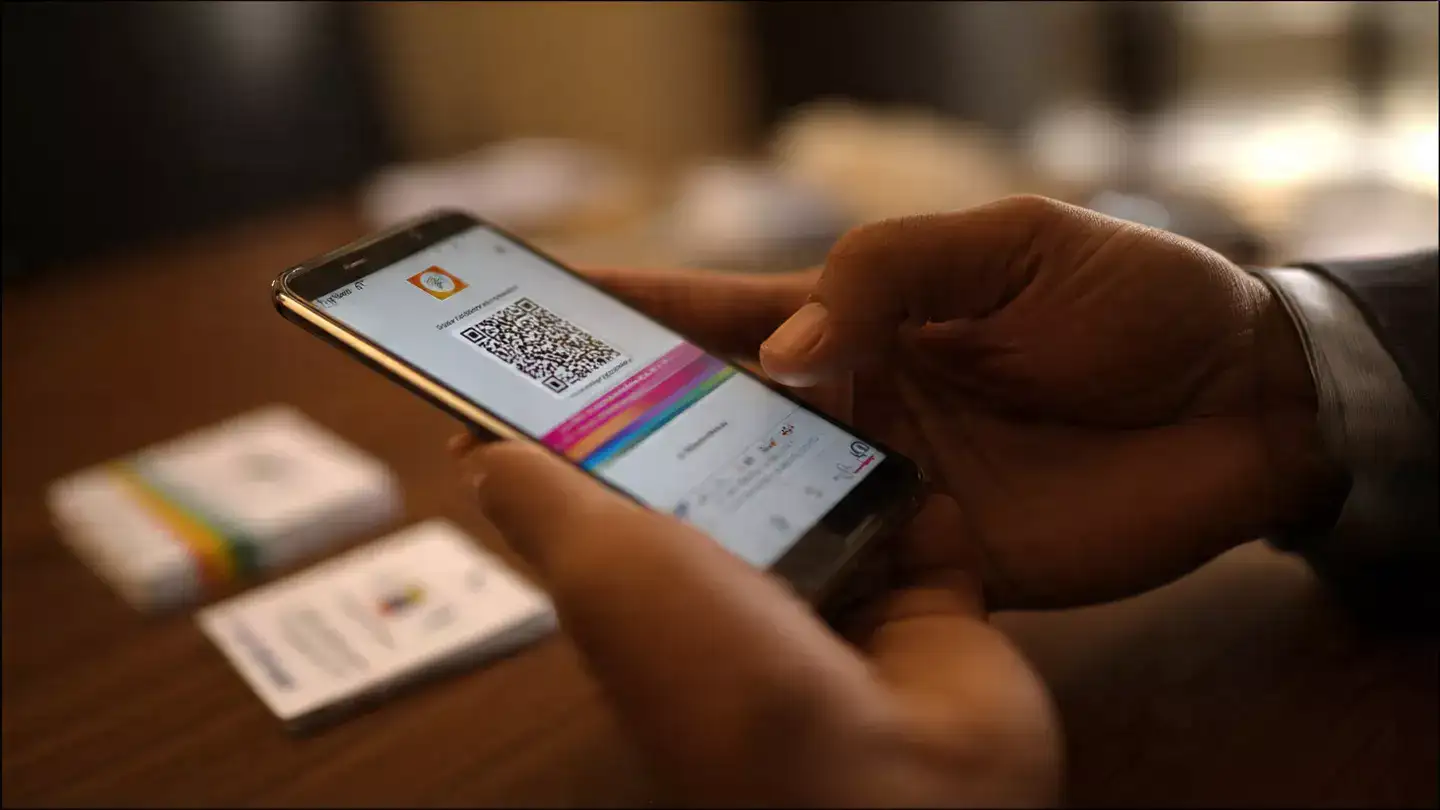
Officials believe that such a move would make it easier for citizens to use Aadhaar for essential services like banking, telecom verification, and identity authentication.
One of the biggest issues flagged was related to privacy and security , especially given that Aadhaar is linked to sensitive biometric data.
Manufacturers also pointed out that pre-installing the app could increase production complexity. Devices meant for India and global markets might require separate production lines, leading to higher costs and logistical challenges.
In internal communication, the association reportedly stated that such pre-installation “would not drive greater public good.”
It also highlighted that very few countries globally mandate the preloading of government apps on smartphones, making the proposal unusual in an international context.
Preloading additional apps could affect device performance, storage, and software integration, particularly for entry-level smartphones.
Technology firms were also cautious about the technical challenges of integrating such apps into their operating systems without affecting overall functionality.
Because of its scale and the sensitive nature of the data involved, the proposal has intensified discussions around data protection and digital privacy. Past concerns about data leaks have also contributed to the hesitation among tech companies.
Officials have maintained that the move is intended to make digital services more inclusive and convenient for citizens.
Authorities have indicated that even if implemented, the app’s usage would remain optional for users.
Critics argue that pre-installing state-run apps could increase control over personal devices, while supporters believe it can improve access to essential public services.
The discussion reflects a growing global tension between regulation, user freedom, and technological innovation.
As India continues to expand its digital infrastructure, the balance between convenience, privacy, and industry feasibility will remain at the center of the conversation.
What the Government Proposed
The proposal, discussed earlier this year, involved asking smartphone manufacturers to preload the Aadhaar application on all devices sold in India. The idea was to ensure that users could access Aadhaar services without needing to download the app separately.Officials believe that such a move would make it easier for citizens to use Aadhaar for essential services like banking, telecom verification, and identity authentication.
Why Smartphone Makers Opposed the Move
However, the proposal did not sit well with the industry. Companies such as Apple, Samsung, and Google raised multiple concerns regarding the plan.One of the biggest issues flagged was related to privacy and security , especially given that Aadhaar is linked to sensitive biometric data.
Manufacturers also pointed out that pre-installing the app could increase production complexity. Devices meant for India and global markets might require separate production lines, leading to higher costs and logistical challenges.
Industry Body Raises Concerns
The Manufacturers’ Association for Information Technology, which represents several major tech companies, formally opposed the proposal.In internal communication, the association reportedly stated that such pre-installation “would not drive greater public good.”
It also highlighted that very few countries globally mandate the preloading of government apps on smartphones, making the proposal unusual in an international context.
Concerns Over User Experience and Performance
Apart from privacy, companies also warned about the potential impact on user experience.Preloading additional apps could affect device performance, storage, and software integration, particularly for entry-level smartphones.
Technology firms were also cautious about the technical challenges of integrating such apps into their operating systems without affecting overall functionality.
Aadhaar’s Scale and Sensitivity
Aadhaar, India’s biometric identity system, is linked to more than 1.34 billion users and is widely used for verification across services.Because of its scale and the sensitive nature of the data involved, the proposal has intensified discussions around data protection and digital privacy. Past concerns about data leaks have also contributed to the hesitation among tech companies.
Government’s Perspective
From the government’s point of view, pre-installing the Aadhaar app would improve accessibility, especially for users who may not download apps easily or have limited storage space.Officials have maintained that the move is intended to make digital services more inclusive and convenient for citizens.
Not Mandatory, Still Under Discussion
Importantly, the proposal is not a formal mandate at this stage. It remains under discussion, with no final decision announced.Authorities have indicated that even if implemented, the app’s usage would remain optional for users.
A Broader Debate on Digital Control and Privacy
The issue has also sparked a wider debate about the role of governments in shaping smartphone ecosystems.Critics argue that pre-installing state-run apps could increase control over personal devices, while supporters believe it can improve access to essential public services.
The discussion reflects a growing global tension between regulation, user freedom, and technological innovation.
What Happens Next
For now, the proposal remains in a grey area. Talks between the government and smartphone makers are ongoing, and the final outcome could influence how digital identity services are integrated into devices in the future.As India continues to expand its digital infrastructure, the balance between convenience, privacy, and industry feasibility will remain at the center of the conversation.
Next Story