
Government-Backed Caller ID Is Coming: How CNAP Will Change Your Phone Calls

Have you ever wondered why you have to rely on third-party apps just to know who is calling you? Well, that is about to change very soon. India's answer to Truecaller is coming as the government prepares to launch its own built-in caller ID system across the country. This new feature is officially known as Calling Name Presentation or CNAP . For the first time, your mobile network will tell you exactly who is on the other end of the line without you needing to download a single extra app. The project is a collaboration between the Department of Telecommunications and the Telecom Regulatory Authority of India , and it aims to bring a new level of transparency to every phone call you receive.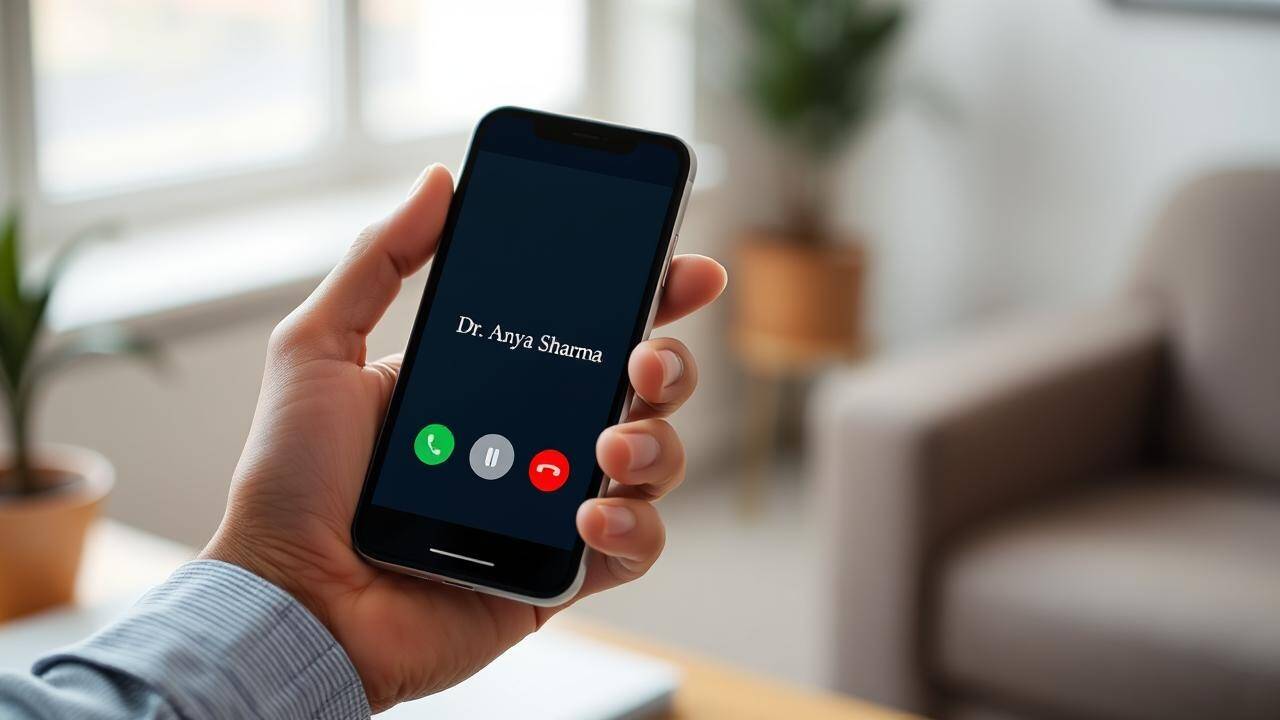
How CNAP Works Differently From Other Apps
The biggest difference between this new system and existing apps is where the data comes from. While most popular caller ID apps rely on crowdsourced information from user contact lists, India's answer to Truecaller is coming with a much more reliable foundation. CNAP uses the official Know Your Customer records that every person provides when they purchase a SIM card. This means that when a call flashes on your screen, the name you see is the one legally registered with the telecom operator. There is no guessing or nicknames involved; it is just the verified identity of the caller as per their government-approved documents.A Powerful Shield Against Spam and Scams
The main reason the government is pushing for this rollout is to tackle the massive rise in fraudulent calls and harassment. Because India's answer to Truecaller is coming with network-level verification, it will be much harder for scammers to hide behind fake names or anonymous numbers. Imagine receiving a call and seeing the actual registered name of a person instead of a label like "Scammer" or "Spam" that might not always be accurate. This official system is designed to give you the confidence to answer important calls while ignoring the ones that are trying to trick you. It is a major step forward in securing the digital communication landscape for millions of Indian mobile users.You may also like
- Why ED is on the backfoot after raiding I-PAC in Kolkata
- 'Don't want to be Americans': Greenland pushes back after Trump's 'hard way' threat; asserts right to choose
- "If every community becomes self-reliant, whole country will become self-reliant": Amit Shah hails large-scale community gathering structure in India
- Online channels to command over half of all body lotion sales in India by 2030: Report
- Punjab: Four killed after car collides with bus in Hoshiarpur
The Timeline for the Nationwide Rollout
If you are eager to start using this feature, you will be happy to know that India's answer to Truecaller is coming sooner than you might think. Current reports suggest that the government is aiming for a full-scale nationwide launch by March 31, 2026. Major telecom players like Reliance Jio and Vodafone Idea have already started pilot testing the service in specific regions like Haryana to ensure the technology works smoothly across different networks. While the service is being tested on 4G and 5G devices first, the goal is to eventually make it a standard feature for everyone. You will not even have to pay a subscription fee or deal with intrusive ads to see who is calling.Balancing Privacy with Public Safety
One of the most discussed topics regarding this update is how it handles user privacy. The government has clarified that while India's answer to Truecaller is coming as a default feature, users will still have some level of control. The Telecom Regulatory Authority of India has noted that "The measure will allow the called party to make an informed choice about whether to answer the call." If someone does not want their name to be displayed, there will likely be an opt-out mechanism, though the primary focus is on ensuring that businesses and individuals are held accountable for the calls they make. This balance is key to making the system work for everyone in a fair and secure way.Preparing for a Change in Your Calling Experience
As we move closer to the official launch date, it is clear that the way we use our phones is about to shift. Since India's answer to Truecaller is coming directly through your telecom provider, you can expect a much cleaner and more integrated experience. You will no longer need to worry about an app draining your battery or accessing your entire contact list just to identify a stranger. This government-backed initiative is all about bringing trust back to the simple act of answering a phone call. Stay tuned as more updates emerge regarding the final stages of the CNAP rollout across different states.





More from our partners


Loving Newspoint? Download the app now
