
Coworkers Question Sam Altman’s Grasp of Coding and Machine Learning Basics

Sam Altman , OpenAI ’s CEO and the face behind ChatGPT, has built a strong reputation as one of the most influential voices in artificial intelligence. Over time, he has positioned himself as a key AI thinker whose ideas are believed to shape conversations at the highest levels, even reaching the White House.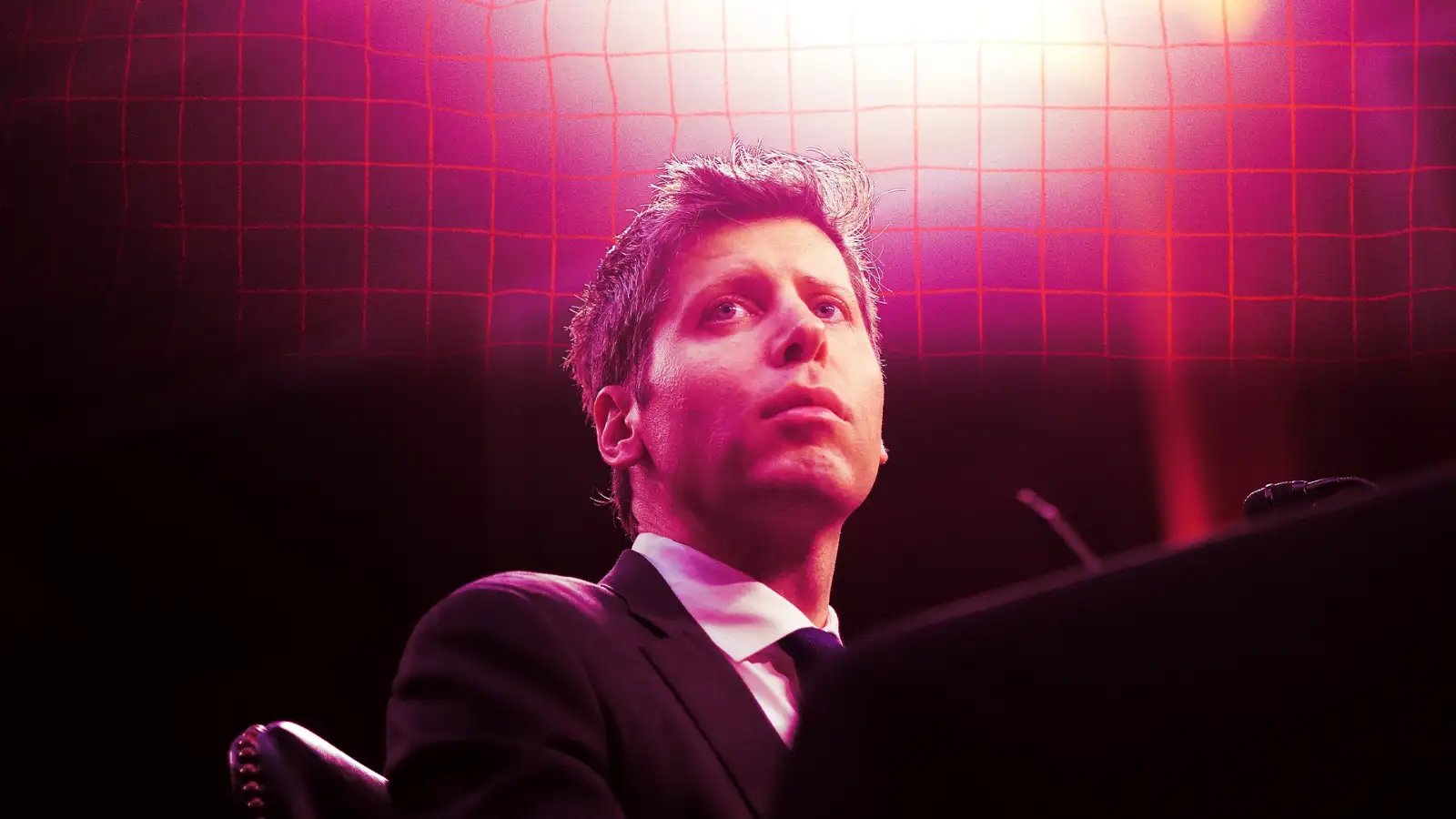
But that carefully crafted image is now being questioned. A recent exposé in the New Yorker offers a very different perspective on the OpenAI CEO. Based on interviews with several insiders who have worked closely with Altman, the report suggests that his influence may not come from deep technical expertise, but from something else entirely.
These concerns reportedly become visible when the CEO mixes up basic AI terminology, raising questions about his understanding of the very systems OpenAI is building. In an industry driven by deep technical knowledge, this gap has sparked fresh debate about leadership in artificial intelligence companies.
As the CEO of a company that could soon become one of the most valuable publicly traded firms in the world, the perception of expertise matters. Altman has often been portrayed as a visionary figure, sometimes described as a follower of the “god of scale” philosophy or even a “genius of digital tech.” This kind of reputation has helped him gain strong credibility in both tech and policy circles.
This statement reflects a broader concern about how decisions are made within OpenAI and how leadership dynamics shape the company’s direction.
While some see this as strategic brilliance, others interpret it as a way to mask technical limitations through strong boardroom maneuvering.
This comparison highlights the seriousness of the concerns being raised. While it represents an opinion rather than a proven outcome, it adds to the growing conversation around transparency, leadership, and accountability in the AI industry.
For OpenAI, a company at the center of the global AI revolution, these discussions could influence how the public, investors, and policymakers view its leadership moving forward.
But that carefully crafted image is now being questioned. A recent exposé in the New Yorker offers a very different perspective on the OpenAI CEO. Based on interviews with several insiders who have worked closely with Altman, the report suggests that his influence may not come from deep technical expertise, but from something else entirely.
A Different Portrait Emerging from Inside OpenAI
According to the New Yorker investigation, Sam Altman is described not as a technical expert, but as a highly skilled strategist who knows how to navigate power and perception. The article highlights claims from multiple OpenAI engineers who say Altman lacks hands-on experience in programming and machine learning .These concerns reportedly become visible when the CEO mixes up basic AI terminology, raising questions about his understanding of the very systems OpenAI is building. In an industry driven by deep technical knowledge, this gap has sparked fresh debate about leadership in artificial intelligence companies.
Education, Experience, and the AI Leadership Debate
It is worth noting that Altman left a computer science program at Stanford after two years. While education alone does not define success, the discussion here is about how his public image aligns with his technical background.As the CEO of a company that could soon become one of the most valuable publicly traded firms in the world, the perception of expertise matters. Altman has often been portrayed as a visionary figure, sometimes described as a follower of the “god of scale” philosophy or even a “genius of digital tech.” This kind of reputation has helped him gain strong credibility in both tech and policy circles.
Power, Influence, and Internal Criticism
However, some former insiders suggest that Altman’s strengths lie more in leadership tactics than in technical depth. Former OpenAI researcher Carroll Wainwright shared a candid observation in the New Yorker, saying: “he sets up structures that, on paper, constrain him in the future. But then, when the future comes and it comes time to be constrained, he does away with whatever the structure was.”This statement reflects a broader concern about how decisions are made within OpenAI and how leadership dynamics shape the company’s direction.
The “Jedi Mind Tricks” Reputation
Altman’s ability to manage situations and influence outcomes has reportedly earned him a unique reputation in the tech world. One insider described his approach as similar to “Jedi mind tricks,” suggesting a talent for navigating complex scenarios and maintaining control, even when facing challenges.While some see this as strategic brilliance, others interpret it as a way to mask technical limitations through strong boardroom maneuvering.
A Stark Warning from a Tech Insider
Perhaps the most striking comment comes from a senior Microsoft executive, who shared a blunt assessment in the New Yorker: “I think there’s a small but real chance he’s eventually remembered as a Bernie Madoff- or Sam Bankman-Fried-level scammer.”This comparison highlights the seriousness of the concerns being raised. While it represents an opinion rather than a proven outcome, it adds to the growing conversation around transparency, leadership, and accountability in the AI industry.
The Bigger Picture for OpenAI and AI Leadership
As artificial intelligence continues to shape the future of technology, the role of leaders like Sam Altman is under increasing scrutiny. The debate is no longer just about innovation, but also about credibility, expertise, and trust.For OpenAI, a company at the center of the global AI revolution, these discussions could influence how the public, investors, and policymakers view its leadership moving forward.
Next Story