
How Social Media Feeds Quietly Control Your Emotions Without You Noticing

Have you ever picked up your phone for a quick scroll and somehow ended up feeling completely different than before? Maybe you started off relaxed, but a few minutes later you felt anxious, irritated, or even oddly sad without any clear reason. It happens so quietly that most of us don’t even notice it in the moment.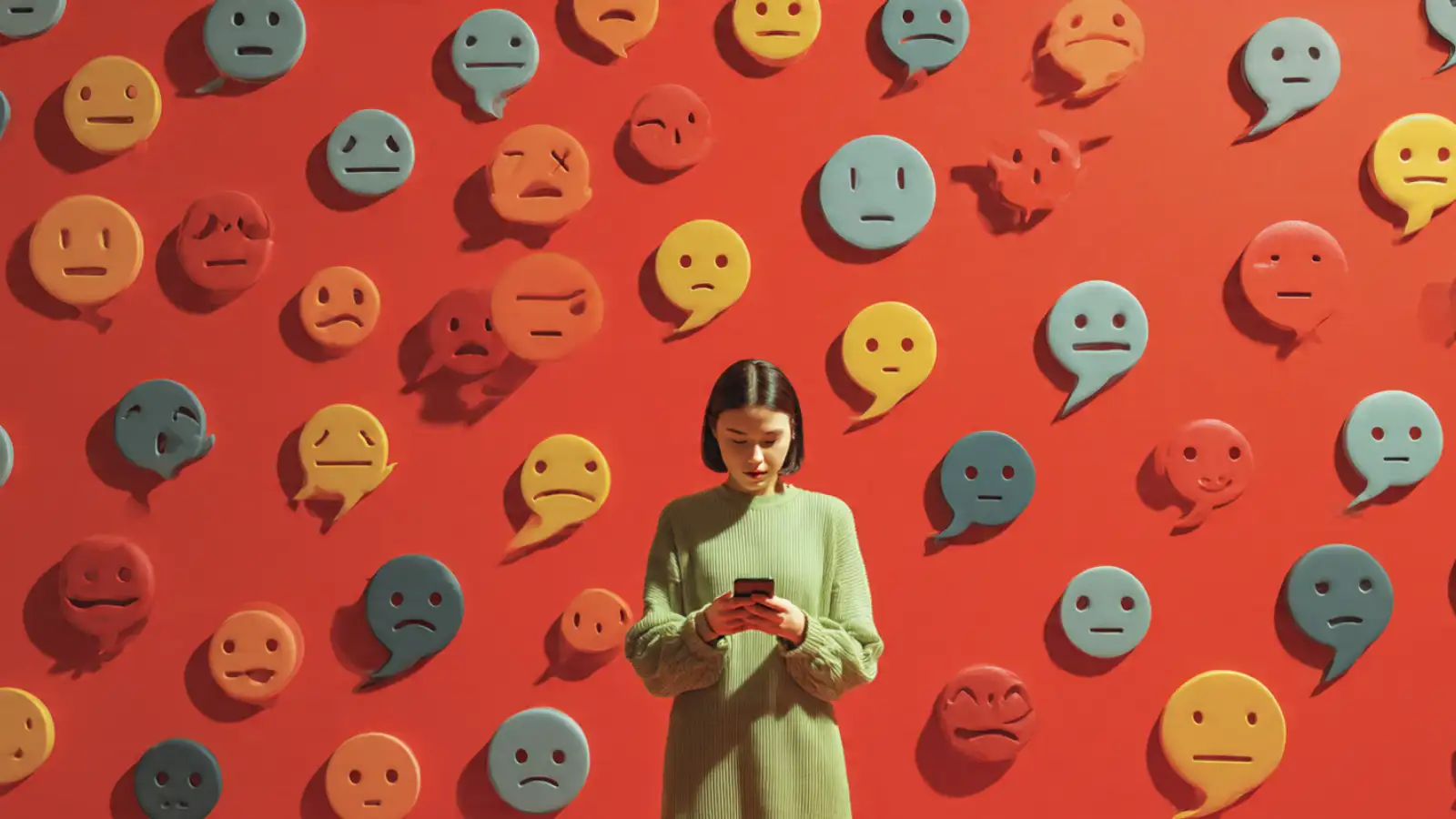
The truth is, what you scroll has a powerful effect on how you feel. Your emotions are not just reacting to your real-life surroundings anymore. They are also responding to a constant stream of digital input. Every post, every video, every headline subtly shapes your mood, almost like invisible hands adjusting a dial inside your mind.
This matters more than we think. In a world where scrolling has become part of daily life, understanding how it affects your emotions can help you regain control over your mental space.
Think of it like walking through a crowded forest filled with different animals. If you suddenly spot a lion, your body reacts instantly. If you see a calm deer, your body feels more relaxed. In the same way, your brain reacts differently depending on the emotional tone of what you scroll.
Content filled with tension, conflict, or negativity can trigger stress responses. On the other hand, calm or positive content can soothe your mind. The shift happens quickly, often within seconds, and that is why your mood can change without you fully realizing why.
When you scroll through content, you are not just seeing information. You are absorbing emotional energy. If your feed is filled with frustration, outrage, or sadness, those emotions can start to feel like your own. Similarly, content that feels joyful or peaceful can lift your mood.
It is similar to how animals in a group behave. When a flock of birds suddenly changes direction, others follow instantly without questioning. When a group of wolves senses danger, the entire pack becomes alert. Humans behave in a similar way emotionally, especially in digital spaces.
This emotional contagion explains why your mood can swing so quickly while scrolling. You are constantly syncing with the emotional tone of what you consume.
Your brain is wired to pay more attention to potential threats. It is a survival instinct. Just like a rabbit stays alert to danger in its surroundings, your brain prioritizes information that could signal risk or harm.
When you scroll through content that triggers fear, anger, or anxiety, your brain reacts strongly because it thinks it needs to prepare you. Even if the content has nothing to do with your real life, your brain does not fully distinguish between digital and physical threats.
This is why a few negative posts can overshadow dozens of neutral ones. The emotional impact is simply stronger.
You see glimpses of different lifestyles, achievements, and experiences. Your brain naturally tries to place you somewhere in that spectrum. This can lead to feelings of dissatisfaction, self-doubt, or even pressure to match what you see.
It is similar to how animals establish hierarchy in nature. A peacock displays its feathers, a tiger shows its strength, and others respond accordingly. In digital spaces, these signals come in the form of curated content, and your mind reacts in ways that affect your emotions.
Even without clear examples, the constant exposure to these signals shapes how you feel about yourself.
This constant flow can overwhelm your brain. It does not get enough time to process one emotional experience before moving on to the next. As a result, your emotions start to blur together, leading to a sense of restlessness or fatigue.
Imagine running through a jungle where every few seconds you encounter a different animal. A monkey, then a snake, then a bear. Your brain would struggle to keep up. That is exactly what happens when you scroll through a rapid mix of emotional content.
Over time, this can leave you feeling drained, even if you were just sitting still with your phone.
If certain types of content hold your attention longer, you are likely to see more of it. This creates a feedback loop where your emotions are repeatedly influenced in similar ways.
For example, if your attention is drawn to intense or emotionally charged content, your feed may gradually fill with more of it. This can amplify certain emotional patterns without you consciously choosing them.
It is like being guided through a forest where certain animals appear more frequently based on where you choose to look. Over time, your perception of the environment changes.
You begin to notice how your mood shifts while scrolling. You recognize patterns in the type of content that affects you. This awareness gives you a sense of control.
Instead of passively absorbing everything, you can become more intentional about what you engage with. Your emotional state becomes less reactive and more balanced.
It is similar to learning how to navigate a forest safely. Once you understand the environment, you move through it with more confidence and less fear.
The truth is, what you scroll has a powerful effect on how you feel. Your emotions are not just reacting to your real-life surroundings anymore. They are also responding to a constant stream of digital input. Every post, every video, every headline subtly shapes your mood, almost like invisible hands adjusting a dial inside your mind.
This matters more than we think. In a world where scrolling has become part of daily life, understanding how it affects your emotions can help you regain control over your mental space.
Your Brain Is Always Responding, Even When You Think It Isn’t
Your brain does not treat scrolling as a passive activity. It is actively processing everything you see. Even when you are just casually flipping through content, your brain is evaluating, comparing, reacting, and storing information.Think of it like walking through a crowded forest filled with different animals. If you suddenly spot a lion, your body reacts instantly. If you see a calm deer, your body feels more relaxed. In the same way, your brain reacts differently depending on the emotional tone of what you scroll.
Content filled with tension, conflict, or negativity can trigger stress responses. On the other hand, calm or positive content can soothe your mind. The shift happens quickly, often within seconds, and that is why your mood can change without you fully realizing why.
The Emotional Contagion Effect of Social Media
Emotions are surprisingly contagious. Even through a screen, they spread from one person to another.When you scroll through content, you are not just seeing information. You are absorbing emotional energy. If your feed is filled with frustration, outrage, or sadness, those emotions can start to feel like your own. Similarly, content that feels joyful or peaceful can lift your mood.
It is similar to how animals in a group behave. When a flock of birds suddenly changes direction, others follow instantly without questioning. When a group of wolves senses danger, the entire pack becomes alert. Humans behave in a similar way emotionally, especially in digital spaces.
This emotional contagion explains why your mood can swing so quickly while scrolling. You are constantly syncing with the emotional tone of what you consume.
Why Negative Content Feels Stronger
One thing you may notice is that negative content tends to affect you more deeply than positive content. This is not a coincidence.Your brain is wired to pay more attention to potential threats. It is a survival instinct. Just like a rabbit stays alert to danger in its surroundings, your brain prioritizes information that could signal risk or harm.
When you scroll through content that triggers fear, anger, or anxiety, your brain reacts strongly because it thinks it needs to prepare you. Even if the content has nothing to do with your real life, your brain does not fully distinguish between digital and physical threats.
This is why a few negative posts can overshadow dozens of neutral ones. The emotional impact is simply stronger.
The Role of Comparison in Emotional Shifts
Scrolling often leads to subtle comparisons, even when you are not actively trying to compare yourself with others.You see glimpses of different lifestyles, achievements, and experiences. Your brain naturally tries to place you somewhere in that spectrum. This can lead to feelings of dissatisfaction, self-doubt, or even pressure to match what you see.
It is similar to how animals establish hierarchy in nature. A peacock displays its feathers, a tiger shows its strength, and others respond accordingly. In digital spaces, these signals come in the form of curated content, and your mind reacts in ways that affect your emotions.
Even without clear examples, the constant exposure to these signals shapes how you feel about yourself.
The Endless Scroll and Emotional Fatigue
Another important factor is the way scrolling never really ends. There is always something new, something different, something more intense.This constant flow can overwhelm your brain. It does not get enough time to process one emotional experience before moving on to the next. As a result, your emotions start to blur together, leading to a sense of restlessness or fatigue.
Imagine running through a jungle where every few seconds you encounter a different animal. A monkey, then a snake, then a bear. Your brain would struggle to keep up. That is exactly what happens when you scroll through a rapid mix of emotional content.
Over time, this can leave you feeling drained, even if you were just sitting still with your phone.
Algorithms Shape What You Feel
What makes this even more complex is that you are not seeing random content. Your feed is curated by algorithms that learn what keeps you engaged.If certain types of content hold your attention longer, you are likely to see more of it. This creates a feedback loop where your emotions are repeatedly influenced in similar ways.
For example, if your attention is drawn to intense or emotionally charged content, your feed may gradually fill with more of it. This can amplify certain emotional patterns without you consciously choosing them.
It is like being guided through a forest where certain animals appear more frequently based on where you choose to look. Over time, your perception of the environment changes.
Why Awareness Changes Everything
The good news is that once you become aware of this process, you start to see it differently.You begin to notice how your mood shifts while scrolling. You recognize patterns in the type of content that affects you. This awareness gives you a sense of control.
Instead of passively absorbing everything, you can become more intentional about what you engage with. Your emotional state becomes less reactive and more balanced.
It is similar to learning how to navigate a forest safely. Once you understand the environment, you move through it with more confidence and less fear.
Next Story