
Why Users Are Leaving Tinder and How the App Plans to Win Them Back

The conversation around modern dating apps, especially Tinder, is once again heating up. Once seen as a revolutionary platform that transformed online dating, Tinder is now trying to rebuild its image and win back users who feel disillusioned with the swipe culture.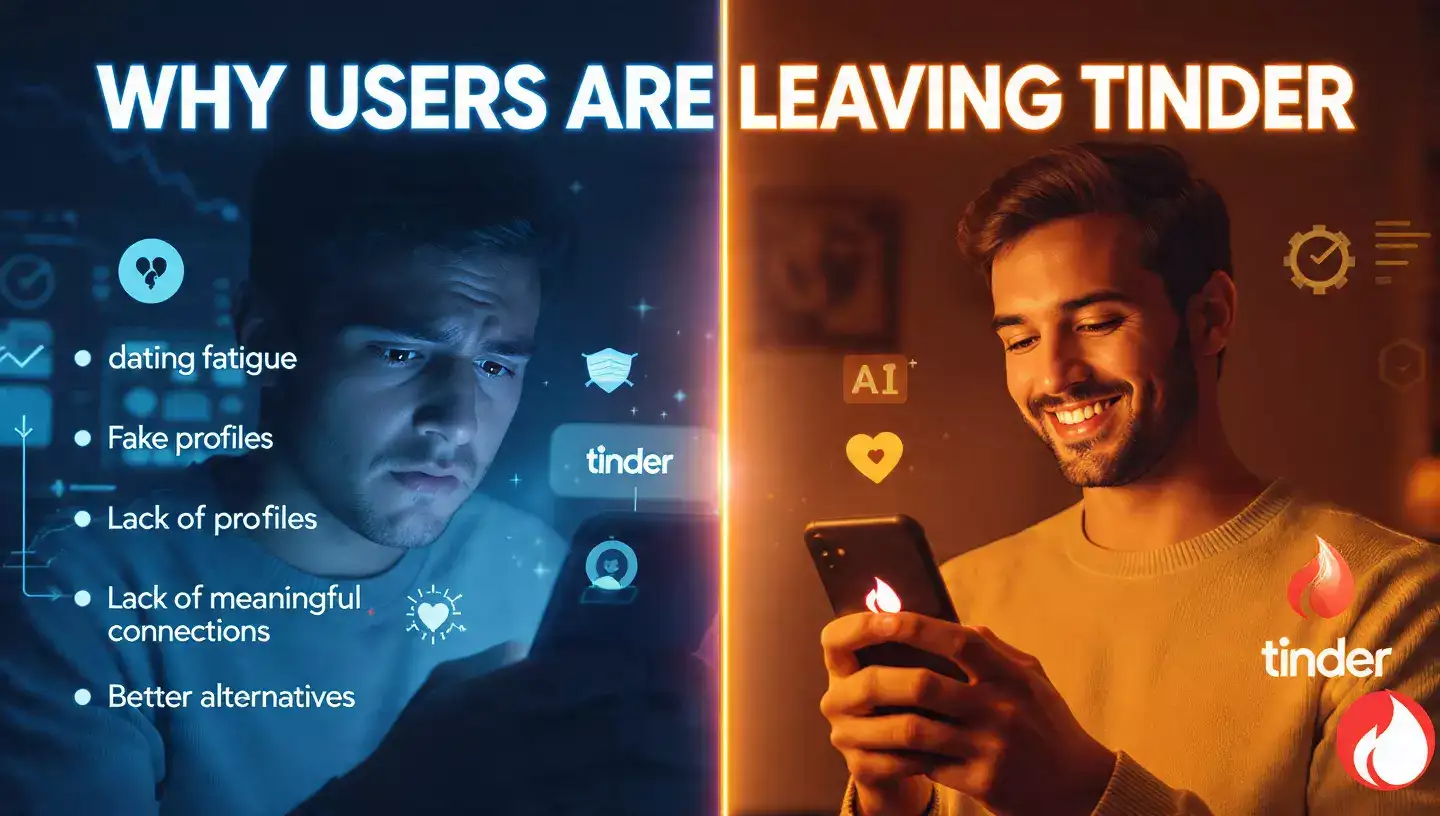
At the center of this shift is a big question: can Tinder fix the dating landscape it helped create?
At its peak, Tinder dominated the market with millions of users. But as online dating evolved, many users began to feel that the experience had become repetitive and shallow. What once felt exciting started to feel like a routine.
Some critics even described this era as the “Dawn of the Dating Apocalypse,” highlighting how swipe-based dating turned relationships into something closer to a game.
Many people feel that the app encourages superficial interactions rather than meaningful connections. The constant swiping, endless matches, and repetitive conversations have made the experience feel mechanical.
One user described the experience as repetitive and exhausting, saying it felt like doing the same thing over and over again. Another pointed out how profiles often feel copied and unoriginal, making it hard to find genuine connections.
As CEO Spencer Rascoff explained, “Just getting matches is not the goal. People are craving connection. Humans need humans.”
This shift marks a significant change in how Tinder defines success. Instead of measuring popularity by the number of matches, the company now wants to focus on user satisfaction and meaningful interactions.
One of the most talked-about features is Double Date, which allows users to pair up with friends and match with other pairs. Interestingly, this idea has sparked controversy, as some users claim they were previously penalized for similar behavior.
Another addition is astrology-based matching, which connects users based on zodiac compatibility. There is also a new AI-powered feature called Chemistry that analyzes users’ interests to suggest better matches.
These updates are part of Tinder’s broader strategy to make dating feel more natural and less pressured.
Features like “Are You Sure?” and “Does This Bother You” are designed to detect harmful or inappropriate messages before they reach users. The goal is to create a safer and more respectful environment.
Tinder is also investing heavily in trust and safety, including a global face verification system to reduce fake profiles. In fact, fake accounts currently make up a large portion of moderation issues on the app.
Some users say they feel objectified or misunderstood, with conversations often focusing on superficial traits rather than genuine connection. Others highlight issues with harassment and inappropriate behavior.
Even with AI moderation, defining what counts as harmful language can be complex and subjective, making it difficult to fully solve these problems.
While the platform is investing in new technology and features, many users remain skeptical. Some have already stepped away from dating apps altogether, choosing to meet people in real life instead.
Tinder is betting heavily on AI, innovation, and a renewed focus on connection. But rebuilding trust takes time, and it is still unclear whether these changes will be enough to win users back.
At the center of this shift is a big question: can Tinder fix the dating landscape it helped create?
How Tinder Changed Online Dating Forever
When Tinder launched in 2012, it completely reshaped the online dating experience. The swipe feature made finding matches quick, addictive, and easy. Over time, it became the gold standard for dating apps, inspiring platforms like Bumble and others to follow suit.At its peak, Tinder dominated the market with millions of users. But as online dating evolved, many users began to feel that the experience had become repetitive and shallow. What once felt exciting started to feel like a routine.
Some critics even described this era as the “Dawn of the Dating Apocalypse,” highlighting how swipe-based dating turned relationships into something closer to a game.
Why Users Are Losing Interest in Tinder
In recent years, Tinder has seen a decline in user engagement. Reports suggest that paying subscribers dropped, reflecting a broader dissatisfaction among users.Many people feel that the app encourages superficial interactions rather than meaningful connections. The constant swiping, endless matches, and repetitive conversations have made the experience feel mechanical.
One user described the experience as repetitive and exhausting, saying it felt like doing the same thing over and over again. Another pointed out how profiles often feel copied and unoriginal, making it hard to find genuine connections.
Tinder’s Big Comeback Plan
To address these issues, Tinder is undergoing a major transformation under its new leadership. The focus is shifting from just getting matches to building real connections.As CEO Spencer Rascoff explained, “Just getting matches is not the goal. People are craving connection. Humans need humans.”
This shift marks a significant change in how Tinder defines success. Instead of measuring popularity by the number of matches, the company now wants to focus on user satisfaction and meaningful interactions.
New Features Aimed at Better Connections
Tinder is introducing several new features to improve the dating experience and attract users back to the platform.One of the most talked-about features is Double Date, which allows users to pair up with friends and match with other pairs. Interestingly, this idea has sparked controversy, as some users claim they were previously penalized for similar behavior.
Another addition is astrology-based matching, which connects users based on zodiac compatibility. There is also a new AI-powered feature called Chemistry that analyzes users’ interests to suggest better matches.
These updates are part of Tinder’s broader strategy to make dating feel more natural and less pressured.
The Role of AI in Modern Dating
Artificial intelligence is now at the core of Tinder’s strategy. The platform is using AI not only to improve matches but also to enhance safety and moderation.Features like “Are You Sure?” and “Does This Bother You” are designed to detect harmful or inappropriate messages before they reach users. The goal is to create a safer and more respectful environment.
Tinder is also investing heavily in trust and safety, including a global face verification system to reduce fake profiles. In fact, fake accounts currently make up a large portion of moderation issues on the app.
Ongoing Challenges in the Dating App World
Despite these improvements, Tinder still faces significant challenges. Many users, especially women and marginalized communities, report negative experiences on the platform.Some users say they feel objectified or misunderstood, with conversations often focusing on superficial traits rather than genuine connection. Others highlight issues with harassment and inappropriate behavior.
Even with AI moderation, defining what counts as harmful language can be complex and subjective, making it difficult to fully solve these problems.
Can Tinder Really Fix Modern Dating?
The biggest question remains whether Tinder can truly fix the dating culture it helped shape.While the platform is investing in new technology and features, many users remain skeptical. Some have already stepped away from dating apps altogether, choosing to meet people in real life instead.
Tinder is betting heavily on AI, innovation, and a renewed focus on connection. But rebuilding trust takes time, and it is still unclear whether these changes will be enough to win users back.
Next Story