
Tired of Broken Charging Cables? Here’s What You’re Doing Wrong

Your phone rarely leaves your side, and your charging cable is what keeps it going through long days and late nights. Yet, it is often the most overlooked accessory until it suddenly stops working. One moment everything is fine, and the next you are adjusting the cable at odd angles just to get a charge. It feels random, but there are clear reasons why this happens so often.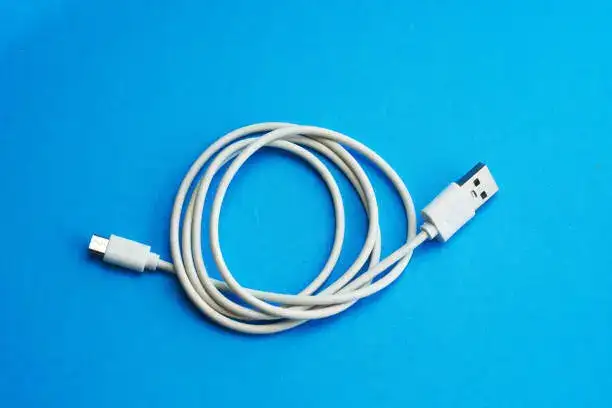
The Weak Spot You Ignore
Most charging cables fail at the same place, where the wire meets the connector. This joint handles constant bending and pressure during everyday use. Whether you are scrolling in bed, using your phone while it charges, or resting it at an angle, the cable is usually being pulled or twisted at this exact point.
Over time, this repeated stress weakens the internal wiring. The outer layer may look fine, but inside, the wires begin to wear down until the connection becomes unreliable or stops working completely.
Small Habits, Big Damage
Many common habits slowly shorten the life of your cable. Pulling it out by the wire instead of the connector is one of the biggest mistakes. This action puts direct strain on the delicate internal joints that hold the cable together.
Heat is another silent culprit. Leaving your cable in a hot car or using it heavily for fast charging over long periods can weaken its materials. Using low-quality or uncertified adapters can also create unstable voltage, which may damage the cable’s internal components, including the tiny chip that helps regulate power.
Even the way you store your cable matters. Wrapping it tightly or repeatedly bending it into circles may seem harmless, but it adds constant pressure to the same نقاط, increasing wear over time.
What Happens Inside the Cable
Charging cables may look simple from the outside, but inside they contain thin strands of metal wires covered with insulation. These wires are flexible, but only within a certain limit. When bent too often or too sharply, they begin to lose their strength.
As Robert Hyers explains, “On a microscopic level, bending beyond the elastic range makes the bonds between the atoms break and reform as they shift positions.” This repeated stress leads to tiny structural changes in the metal. Over time, the material becomes brittle and eventually snaps, which is when your cable stops working.
Why Better Cables Make a Difference
Not all charging cables are built the same. Investing in a higher-quality cable can significantly increase its lifespan. Braided cables, for example, use a woven outer layer that provides better protection against bending and wear compared to standard plastic coatings.
Experts like Kyle Wiens highlight that even major brands have started adopting braided designs because they offer improved strength and durability.
It is also important to choose cables that support proper power handling. Cables with fast charging support and a built-in E-marker chip can manage power flow more safely, reducing the risk of internal damage.
Simple Ways to Make Your Cable Last Longer
Taking care of your charging cable does not require much effort, but it does require awareness. Avoid sharp bends, especially near the connector. Always unplug by holding the plug instead of pulling the wire. Store your cable loosely rather than wrapping it tightly.
Try to keep it away from extreme heat and avoid using it in positions where it is constantly under tension. These small changes can make a big difference over time.
At the end of the day, your charging cable is not just an accessory, it is a daily essential. Treating it with a bit more care can save you from the frustration of sudden failures and the cost of frequent replacements.
The Weak Spot You Ignore
Most charging cables fail at the same place, where the wire meets the connector. This joint handles constant bending and pressure during everyday use. Whether you are scrolling in bed, using your phone while it charges, or resting it at an angle, the cable is usually being pulled or twisted at this exact point. Over time, this repeated stress weakens the internal wiring. The outer layer may look fine, but inside, the wires begin to wear down until the connection becomes unreliable or stops working completely.
Small Habits, Big Damage
Many common habits slowly shorten the life of your cable. Pulling it out by the wire instead of the connector is one of the biggest mistakes. This action puts direct strain on the delicate internal joints that hold the cable together. Heat is another silent culprit. Leaving your cable in a hot car or using it heavily for fast charging over long periods can weaken its materials. Using low-quality or uncertified adapters can also create unstable voltage, which may damage the cable’s internal components, including the tiny chip that helps regulate power.
You may also like
- Microsoft Xbox CEO Asha Sharma on how the division is 'game on' in making Series X and Series S consols 'better'
- Upskilling critical as AI disrupts India's IT sector: Arundhati Bhattacharya, Salesforce
- Bernie Sanders quotes world's biggest AI scientists to warn everyone on AI; says: We must make sure that AI…
- Virgin Media and O2 issue urgent advice as millions targeted by worrying scam
- Fed meet, Q4 earnings, US-Iran tensions likely to drive stock market this week
Even the way you store your cable matters. Wrapping it tightly or repeatedly bending it into circles may seem harmless, but it adds constant pressure to the same نقاط, increasing wear over time.
What Happens Inside the Cable
Charging cables may look simple from the outside, but inside they contain thin strands of metal wires covered with insulation. These wires are flexible, but only within a certain limit. When bent too often or too sharply, they begin to lose their strength. As Robert Hyers explains, “On a microscopic level, bending beyond the elastic range makes the bonds between the atoms break and reform as they shift positions.” This repeated stress leads to tiny structural changes in the metal. Over time, the material becomes brittle and eventually snaps, which is when your cable stops working.
Why Better Cables Make a Difference
Not all charging cables are built the same. Investing in a higher-quality cable can significantly increase its lifespan. Braided cables, for example, use a woven outer layer that provides better protection against bending and wear compared to standard plastic coatings.Experts like Kyle Wiens highlight that even major brands have started adopting braided designs because they offer improved strength and durability.
It is also important to choose cables that support proper power handling. Cables with fast charging support and a built-in E-marker chip can manage power flow more safely, reducing the risk of internal damage.
Simple Ways to Make Your Cable Last Longer
Taking care of your charging cable does not require much effort, but it does require awareness. Avoid sharp bends, especially near the connector. Always unplug by holding the plug instead of pulling the wire. Store your cable loosely rather than wrapping it tightly. Try to keep it away from extreme heat and avoid using it in positions where it is constantly under tension. These small changes can make a big difference over time.
At the end of the day, your charging cable is not just an accessory, it is a daily essential. Treating it with a bit more care can save you from the frustration of sudden failures and the cost of frequent replacements.






More from our partners


Loving Newspoint? Download the app now
