
What Happens to Your Online World When You’re No Longer Alive

Think about how much of your life exists online today. Your photos, messages, emails, social media profiles, and even your daily thoughts are quietly stored across different platforms. In many ways, your digital presence has become as real as your physical one. But there is a question most people avoid asking: what happens to all of this after you die?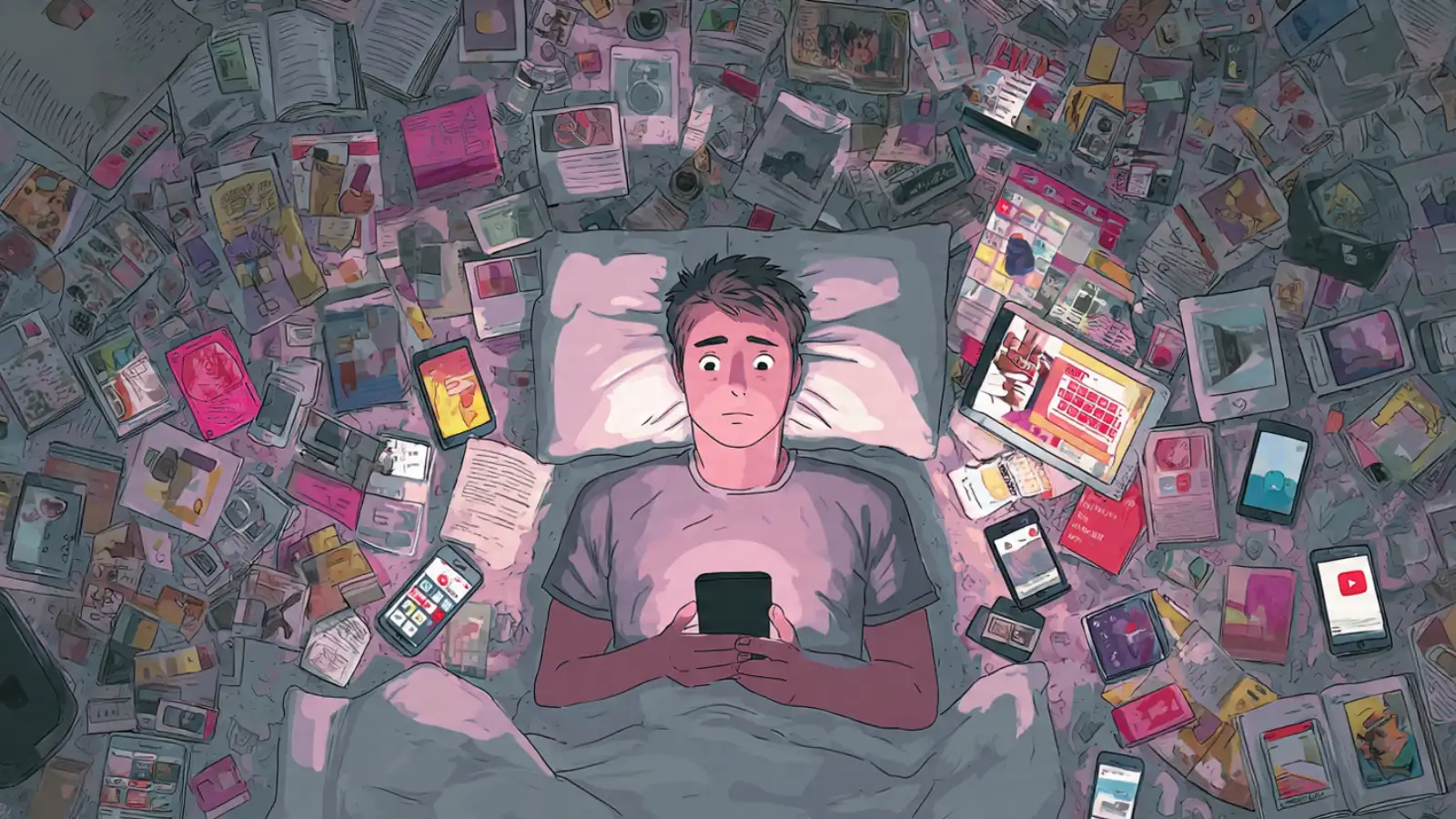
It is a strange thought. While life continues for people around you, your online world does not simply disappear. It lingers. It stays active, sometimes untouched, sometimes managed, and sometimes forgotten. Just like how a dog, cat, or even a quiet owl leaves behind traces of its presence in nature, humans leave behind digital footprints that continue to exist long after they are gone.
Understanding your digital afterlife is not just about curiosity. It is about control, privacy, and the legacy you leave behind.
When a person dies, these accounts do not automatically shut down. Instead, they remain active unless someone takes action. This creates a situation where a person is no longer physically present, but their digital identity continues to exist.
It is similar to how a turtle leaves marks in the sand long after it has moved on. Your online data becomes a quiet record of who you were, how you thought, and how you interacted with the world.
In many cases, families or close contacts can request control over these accounts. This includes managing posts, updating profile information, or deciding whether the account should remain online.
This ongoing presence can feel comforting for some and unsettling for others. It creates a unique situation where a person’s voice, images, and interactions remain accessible even after they are gone.
Much like how the presence of a horse can still be felt through its footprints in a field, a social media account continues to echo a person’s life.
Without proper planning, accessing this data can be difficult for loved ones. Many platforms require legal proof or specific permissions before granting access. In some cases, the data may remain locked indefinitely.
This highlights an important reality. Your digital identity is protected by privacy systems that do not automatically transfer ownership. Just like a fox guards its territory, these platforms protect user data even after death.
Managing this aspect of your digital afterlife requires foresight and preparation.
This can include setting up legacy contacts, writing down account details, or creating instructions for account management. Some platforms even allow users to choose whether their accounts should be deleted or preserved.
Planning ahead ensures that your digital presence is handled according to your wishes. It also reduces confusion and stress for those left behind.
Think of it like how a bird carefully builds a nest before laying eggs. Preparation creates a sense of order and continuity, even in uncertain situations.
There is no single answer. Different cultures, legal systems, and personal beliefs influence how these questions are approached.
Some people feel that digital memories should be preserved as part of a person’s legacy. Others believe that certain aspects of a person’s life should remain private, even after death.
This tension reflects a broader challenge of the digital age. Balancing memory with privacy is not always easy.
Like a whale navigating deep waters, these decisions often involve unseen complexities.
Digital reminders can appear unexpectedly. Notifications, birthday reminders, or old posts can resurface, bringing back memories in ways that feel sudden and intense.
At the same time, these digital traces can serve as a space for remembrance. They allow people to revisit moments, reflect on shared experiences, and feel connected.
It is a delicate balance between holding on and letting go.
Much like how the distant call of a wolf can evoke both longing and mystery, a digital presence after death carries mixed emotions.
Data can exist in backups, archives, or shared spaces. Once something is online, it often leaves traces that are difficult to fully remove.
This means that your digital life may never truly end. It may fade, become less visible, or lose relevance over time, but parts of it can remain.
It is similar to how a deer moving through a forest leaves subtle signs that linger even after it has gone.
It is a strange thought. While life continues for people around you, your online world does not simply disappear. It lingers. It stays active, sometimes untouched, sometimes managed, and sometimes forgotten. Just like how a dog, cat, or even a quiet owl leaves behind traces of its presence in nature, humans leave behind digital footprints that continue to exist long after they are gone.
Understanding your digital afterlife is not just about curiosity. It is about control, privacy, and the legacy you leave behind.
The Rise of the Digital Afterlife
The concept of a digital afterlife has emerged as more of our lives shift online. Every account you create contributes to a growing archive of your identity. Social media profiles, cloud storage, subscription services, and emails collectively form what can be called your digital life.When a person dies, these accounts do not automatically shut down. Instead, they remain active unless someone takes action. This creates a situation where a person is no longer physically present, but their digital identity continues to exist.
It is similar to how a turtle leaves marks in the sand long after it has moved on. Your online data becomes a quiet record of who you were, how you thought, and how you interacted with the world.
What Happens to Social Media Accounts
Social media platforms handle death in different ways. Some allow accounts to be memorialized, while others may deactivate them after verification. A memorialized account usually remains visible but inactive. It becomes a digital space where people can remember, reflect, and connect emotionally.In many cases, families or close contacts can request control over these accounts. This includes managing posts, updating profile information, or deciding whether the account should remain online.
This ongoing presence can feel comforting for some and unsettling for others. It creates a unique situation where a person’s voice, images, and interactions remain accessible even after they are gone.
Much like how the presence of a horse can still be felt through its footprints in a field, a social media account continues to echo a person’s life.
Emails, Cloud Storage, and Personal Data
Beyond social media, your digital life includes emails, documents, photos, and personal files stored in cloud services. These often hold deeply personal and sometimes sensitive information.Without proper planning, accessing this data can be difficult for loved ones. Many platforms require legal proof or specific permissions before granting access. In some cases, the data may remain locked indefinitely.
This highlights an important reality. Your digital identity is protected by privacy systems that do not automatically transfer ownership. Just like a fox guards its territory, these platforms protect user data even after death.
Managing this aspect of your digital afterlife requires foresight and preparation.
The Role of Digital Legacy Planning
Digital legacy planning is becoming increasingly important. It involves deciding what should happen to your online accounts and data after your death.This can include setting up legacy contacts, writing down account details, or creating instructions for account management. Some platforms even allow users to choose whether their accounts should be deleted or preserved.
Planning ahead ensures that your digital presence is handled according to your wishes. It also reduces confusion and stress for those left behind.
Think of it like how a bird carefully builds a nest before laying eggs. Preparation creates a sense of order and continuity, even in uncertain situations.
Privacy and Ethical Concerns
Your digital afterlife raises important questions about privacy and ethics. Who owns your data after you die? Should your messages remain private, or should they be accessible to family members?There is no single answer. Different cultures, legal systems, and personal beliefs influence how these questions are approached.
Some people feel that digital memories should be preserved as part of a person’s legacy. Others believe that certain aspects of a person’s life should remain private, even after death.
This tension reflects a broader challenge of the digital age. Balancing memory with privacy is not always easy.
Like a whale navigating deep waters, these decisions often involve unseen complexities.
The Emotional Impact on Loved Ones
A person’s digital presence can have a powerful emotional impact on those left behind. Seeing posts, photos, or messages can bring comfort, but it can also make it harder to move on.You may also like
- Sam Altman recalls resisting Musk for control of OpenAI
- Silicon Valley entrepreneur accused of using ChatGPT to harass and stalk ex-girlfriend, OpenAI sued
- I tried the new Sonos Play and it's reminded me how good things were
- US intelligence indicates China preparing weapons shipment to Iran, CNN reports
- Hamster Kombat GameDev daily combo & cipher code 11 April 2026: Today's Morse code and how to decode
Digital reminders can appear unexpectedly. Notifications, birthday reminders, or old posts can resurface, bringing back memories in ways that feel sudden and intense.
At the same time, these digital traces can serve as a space for remembrance. They allow people to revisit moments, reflect on shared experiences, and feel connected.
It is a delicate balance between holding on and letting go.
Much like how the distant call of a wolf can evoke both longing and mystery, a digital presence after death carries mixed emotions.
Can Your Digital Life Truly End?
In theory, all digital data can be deleted. Accounts can be closed, files can be erased, and profiles can disappear. But in reality, complete erasure is rare.Data can exist in backups, archives, or shared spaces. Once something is online, it often leaves traces that are difficult to fully remove.
This means that your digital life may never truly end. It may fade, become less visible, or lose relevance over time, but parts of it can remain.
It is similar to how a deer moving through a forest leaves subtle signs that linger even after it has gone.






More from our partners


Loving Newspoint? Download the app now
