
What Is The Full Form Of SIM And Why This Tiny Card Remains Essential In Your Mobile Life

What Is The Full Form Of SIM : The full form of SIM is Subscriber Identity Module. It is a small, removable smart card used in mobile devices to store essential information that identifies a user on a cellular network. Despite its compact size, the SIM card plays a central role in enabling communication services such as calls, messages and mobile data.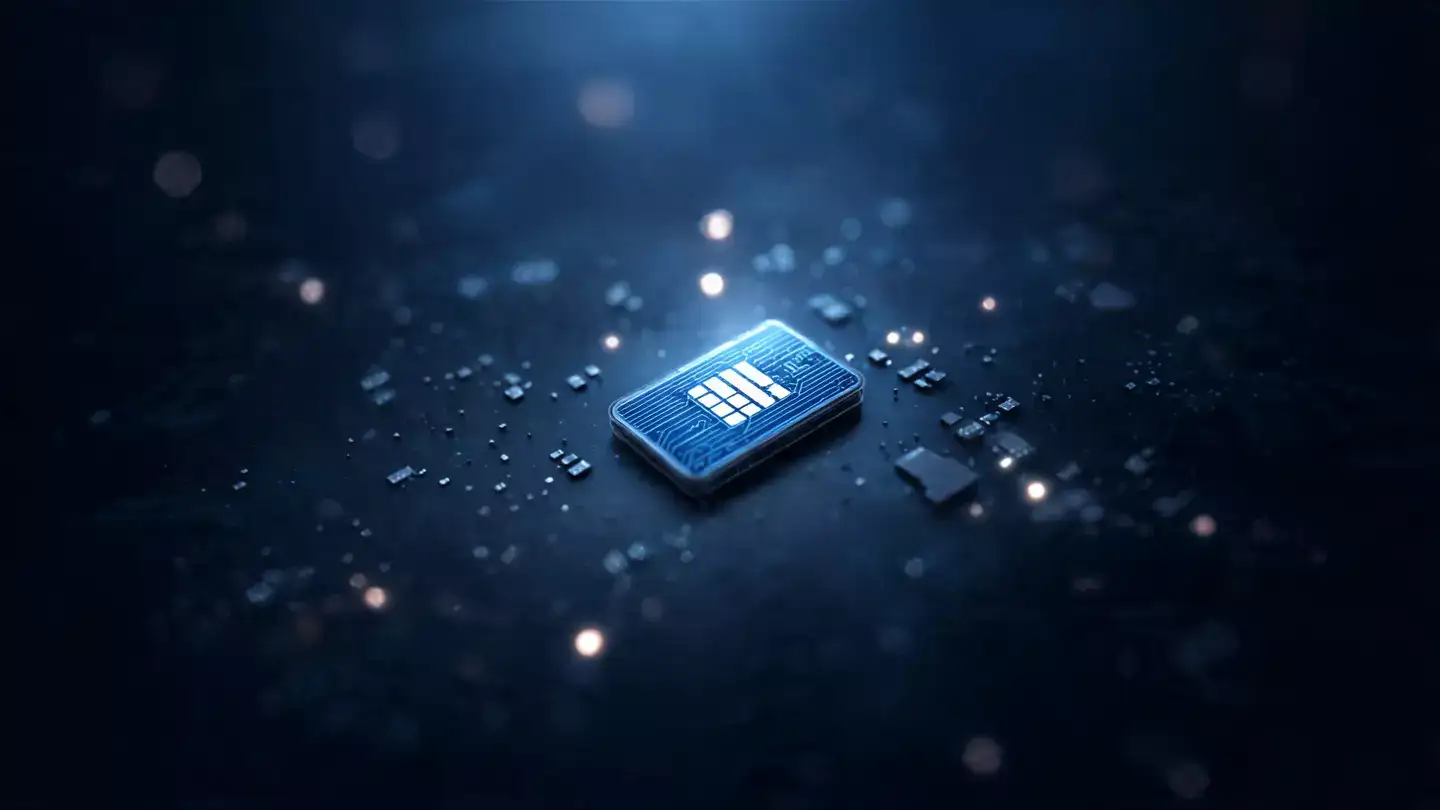
The concept of SIM was introduced to simplify mobile connectivity by separating the user’s identity from the device. This means you can easily switch phones without losing your mobile number or network access, simply by transferring the SIM card.
When you insert a SIM card into your phone, the network provider can recognise who you are. This authentication process ensures that only authorised users can access the network services. In simple terms, the SIM card acts like a digital identity card for your mobile connection.
The SIM card meaning goes beyond just storing numbers. It enables seamless interaction between your device and the telecom operator, ensuring uninterrupted communication.
If the details match, the network grants access to services such as voice calls, SMS and internet connectivity. This process happens in seconds and is largely invisible to the user.
Modern SIM cards also support encryption and security protocols, ensuring that your communication remains protected. This is particularly important in an age where data privacy is a growing concern.
Standard SIM cards were the original format, but they have now been replaced by smaller versions. Micro SIM and Nano SIM are commonly used in smartphones today, offering the same functionality in a more compact size.
In recent times, eSIM technology has emerged as a digital alternative. Unlike physical SIM cards, eSIMs are embedded directly into the device and can be activated remotely. This allows users to switch networks without inserting or removing a card.
Despite these advancements, the core idea behind the full form of SIM remains unchanged. It continues to represent the subscriber’s identity in the mobile ecosystem.
It also allows users to store contacts, manage network settings and access value-added services provided by telecom operators. In many ways, the SIM card is the bridge between the user and the vast infrastructure of mobile networks.
For businesses, SIM cards enable mobile communication across teams, while for individuals, they ensure connectivity with family, work and services.
They are also used in Internet of Things devices, such as smart meters and connected cars. This highlights how the SIM card has adapted to modern technological needs while maintaining its core function.
The evolution of SIM card uses reflects the changing landscape of communication and connectivity.
The full form of SIM continues to represent a critical component of mobile connectivity. Even with innovations like eSIM, the concept of a subscriber identity module remains fundamental.
It ensures secure, reliable and personalised access to mobile networks. As long as cellular communication exists, the role of SIM technology will remain relevant.
In a world increasingly dependent on constant connectivity, this tiny card continues to power communication in ways most users rarely notice but always rely upon.
Image Courtesy: Meta AI
The concept of SIM was introduced to simplify mobile connectivity by separating the user’s identity from the device. This means you can easily switch phones without losing your mobile number or network access, simply by transferring the SIM card.
Understanding The Meaning Of SIM Card
A SIM card acts as a secure storage unit that holds key data required for connecting to a mobile network. This includes your unique subscriber identity, authentication keys and network-related information.When you insert a SIM card into your phone, the network provider can recognise who you are. This authentication process ensures that only authorised users can access the network services. In simple terms, the SIM card acts like a digital identity card for your mobile connection.
The SIM card meaning goes beyond just storing numbers. It enables seamless interaction between your device and the telecom operator, ensuring uninterrupted communication.
How SIM Cards Work In Mobile Devices
The working mechanism of a SIM card is both simple and highly efficient. Once inserted into a mobile device, the SIM communicates with the nearest cellular tower. It sends identification details that are verified by the network provider.If the details match, the network grants access to services such as voice calls, SMS and internet connectivity. This process happens in seconds and is largely invisible to the user.
Modern SIM cards also support encryption and security protocols, ensuring that your communication remains protected. This is particularly important in an age where data privacy is a growing concern.
Types Of SIM Cards Available Today
Over the years, SIM technology has evolved significantly. While the basic function remains the same, the size and format of SIM cards have changed to suit modern devices.Standard SIM cards were the original format, but they have now been replaced by smaller versions. Micro SIM and Nano SIM are commonly used in smartphones today, offering the same functionality in a more compact size.
In recent times, eSIM technology has emerged as a digital alternative. Unlike physical SIM cards, eSIMs are embedded directly into the device and can be activated remotely. This allows users to switch networks without inserting or removing a card.
Despite these advancements, the core idea behind the full form of SIM remains unchanged. It continues to represent the subscriber’s identity in the mobile ecosystem.
Importance Of SIM Card In Daily Life
The importance of a SIM card in daily life cannot be overstated. It is the key to staying connected in a digitally driven world. From making phone calls to accessing mobile data, every essential communication function depends on the SIM.It also allows users to store contacts, manage network settings and access value-added services provided by telecom operators. In many ways, the SIM card is the bridge between the user and the vast infrastructure of mobile networks.
For businesses, SIM cards enable mobile communication across teams, while for individuals, they ensure connectivity with family, work and services.
SIM Card Uses Beyond Basic Communication
While most people associate SIM cards with calls and messages, their uses extend much further. SIM cards play a role in mobile banking, authentication services and even secure access to digital platforms.They are also used in Internet of Things devices, such as smart meters and connected cars. This highlights how the SIM card has adapted to modern technological needs while maintaining its core function.
The evolution of SIM card uses reflects the changing landscape of communication and connectivity.
Why SIM Still Matters In The Smartphone Era
With the rise of advanced smartphones and wireless technologies, one might assume that SIM cards are becoming obsolete. However, the reality is quite different.The full form of SIM continues to represent a critical component of mobile connectivity. Even with innovations like eSIM, the concept of a subscriber identity module remains fundamental.
It ensures secure, reliable and personalised access to mobile networks. As long as cellular communication exists, the role of SIM technology will remain relevant.
In a world increasingly dependent on constant connectivity, this tiny card continues to power communication in ways most users rarely notice but always rely upon.
Image Courtesy: Meta AI
Next Story