
How Satellite Data Is Becoming a Powerful Weapon in Modern Wars

Look up at the sky on any clear night, and it feels calm, almost peaceful. Somewhere between the quiet glow of stars and the drifting clouds, thousands of satellites are silently circling the Earth. Most of us rarely think about them. They help us navigate roads, check weather updates, or stream videos without interruption.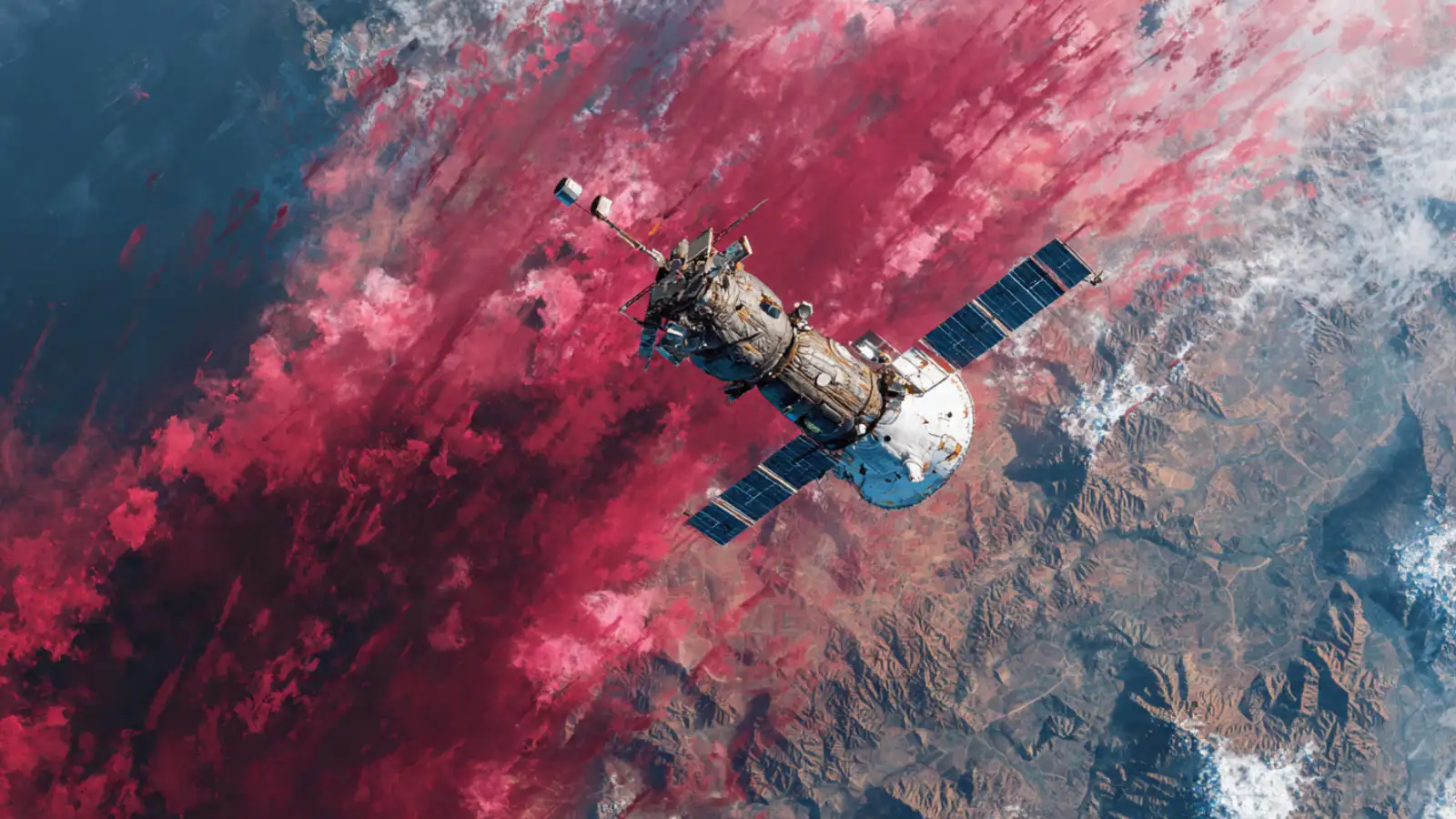
But what happens when this same satellite data turns into something far more serious?
In today’s world, information is power. And when that information comes from space, it becomes incredibly precise, fast, and difficult to hide from. Satellite data is no longer just a tool for convenience. It is slowly becoming a strategic asset, one that can influence decisions, shift control, and even shape the outcome of conflicts without a single sound being heard.
This expansion has changed the nature of surveillance.
From high-resolution imagery to real-time tracking, satellite data allows constant observation of land, water, and air. Movements that were once hidden can now be monitored with surprising clarity. It is almost like having a bird’s-eye view, similar to how an eagle scans vast landscapes from above, spotting even the smallest movement below.
The difference is that this “view” is no longer natural. It is engineered, enhanced, and always watching.
Imagine knowing the exact layout of a region, understanding patterns of movement, or detecting changes before anyone else notices them. This kind of knowledge allows decision-makers to act faster and more precisely. It reduces uncertainty and increases control.
In many ways, satellite data works like a silent strategist. It does not speak, but it guides actions. It does not fight, but it shapes outcomes.
Even something as simple as environmental monitoring can reveal deeper insights. Changes in terrain, shifting coastlines, or unusual activity patterns can all hint at something larger. Like how a deer senses danger in the forest long before it appears, satellite systems can detect subtle signals that others might miss.
Technology that was originally developed for peaceful purposes can quickly be used in more strategic ways. Weather tracking systems, mapping tools, and communication networks all rely on satellite data. But these same systems can also provide critical insights during tense situations.
This creates a blurred line.
What begins as a tool for development can gradually become a tool for control. The same satellite that helps farmers monitor crops can also track large-scale movements. The same data that helps predict storms can also reveal patterns that are far more sensitive.
It is not always about intent. Sometimes, it is about how the data is interpreted and applied.
Information can now be captured and transmitted almost instantly. This speed creates a new kind of advantage. Decisions can be made quickly, often before others even realize what is happening.
Accuracy adds another layer to this power.
Modern satellites can detect details with incredible precision. From changes in landscape to movement patterns, the level of detail is constantly improving. It is like the sharp vision of a hawk, focused and exact, but amplified through technology.
When speed and accuracy combine, the result is a powerful edge. And in critical situations, that edge can make all the difference.
Who owns satellite data? Who gets to access it? And more importantly, how should it be used?
These are not easy questions to answer. As satellite technology becomes more widespread, the responsibility of using it wisely becomes even more important. There is always a risk of misuse, whether intentional or accidental.
Privacy is another concern.
If satellites can observe almost everything, where do we draw the line? How much visibility is too much? These questions are becoming more relevant with each passing day.
Even in nature, balance matters. A tiger does not hunt constantly. A dolphin does not disrupt its surroundings without reason. There is a rhythm, a sense of control. Perhaps technology needs a similar balance, one that ensures power is used responsibly.
This global reach means that its impact is widespread. Decisions influenced by satellite data can affect regions far beyond their origin. It creates a connected system where actions in one area can ripple across others.
This interconnected nature brings both opportunity and risk.
On one hand, it allows better coordination and awareness. On the other, it increases the chances of misunderstanding or overreaction. When information travels fast, so do consequences.
The challenge lies in managing this flow of data in a way that promotes stability rather than tension.
Satellite data has made the world more visible than ever before. Hidden spaces are becoming rare. Every movement, every change, and every pattern can potentially be tracked and analyzed.
This does not mean we are under threat at all times. But it does mean that the nature of awareness has changed.
It is a bit like being in a forest where every creature, from a quiet owl to a cautious fox, is aware of its surroundings. There is a constant exchange of signals, even if nothing is said out loud.
In this new environment, awareness is not optional. It is essential.
But what happens when this same satellite data turns into something far more serious?
In today’s world, information is power. And when that information comes from space, it becomes incredibly precise, fast, and difficult to hide from. Satellite data is no longer just a tool for convenience. It is slowly becoming a strategic asset, one that can influence decisions, shift control, and even shape the outcome of conflicts without a single sound being heard.
The Quiet Rise of Space-Based Surveillance
Satellite technology has grown rapidly over the past few decades. What once required massive government funding is now increasingly accessible. Private companies, research organizations, and even smaller nations are now able to launch and use satellites.This expansion has changed the nature of surveillance.
From high-resolution imagery to real-time tracking, satellite data allows constant observation of land, water, and air. Movements that were once hidden can now be monitored with surprising clarity. It is almost like having a bird’s-eye view, similar to how an eagle scans vast landscapes from above, spotting even the smallest movement below.
The difference is that this “view” is no longer natural. It is engineered, enhanced, and always watching.
When Information Turns Into Influence
At its core, satellite data is just information. But in the right hands, it becomes influence.Imagine knowing the exact layout of a region, understanding patterns of movement, or detecting changes before anyone else notices them. This kind of knowledge allows decision-makers to act faster and more precisely. It reduces uncertainty and increases control.
In many ways, satellite data works like a silent strategist. It does not speak, but it guides actions. It does not fight, but it shapes outcomes.
Even something as simple as environmental monitoring can reveal deeper insights. Changes in terrain, shifting coastlines, or unusual activity patterns can all hint at something larger. Like how a deer senses danger in the forest long before it appears, satellite systems can detect subtle signals that others might miss.
The Blurring Line Between Civilian and Military Use
One of the most important aspects of satellite data is how easily it crosses boundaries.Technology that was originally developed for peaceful purposes can quickly be used in more strategic ways. Weather tracking systems, mapping tools, and communication networks all rely on satellite data. But these same systems can also provide critical insights during tense situations.
This creates a blurred line.
What begins as a tool for development can gradually become a tool for control. The same satellite that helps farmers monitor crops can also track large-scale movements. The same data that helps predict storms can also reveal patterns that are far more sensitive.
It is not always about intent. Sometimes, it is about how the data is interpreted and applied.
Speed, Accuracy, and the New Advantage
In earlier times, gathering information took time. Reports had to be collected, verified, and shared. Today, satellite data changes that completely.Information can now be captured and transmitted almost instantly. This speed creates a new kind of advantage. Decisions can be made quickly, often before others even realize what is happening.
Accuracy adds another layer to this power.
Modern satellites can detect details with incredible precision. From changes in landscape to movement patterns, the level of detail is constantly improving. It is like the sharp vision of a hawk, focused and exact, but amplified through technology.
When speed and accuracy combine, the result is a powerful edge. And in critical situations, that edge can make all the difference.
The Ethical Questions No One Can Ignore
With great capability comes difficult questions.Who owns satellite data? Who gets to access it? And more importantly, how should it be used?
These are not easy questions to answer. As satellite technology becomes more widespread, the responsibility of using it wisely becomes even more important. There is always a risk of misuse, whether intentional or accidental.
Privacy is another concern.
If satellites can observe almost everything, where do we draw the line? How much visibility is too much? These questions are becoming more relevant with each passing day.
Even in nature, balance matters. A tiger does not hunt constantly. A dolphin does not disrupt its surroundings without reason. There is a rhythm, a sense of control. Perhaps technology needs a similar balance, one that ensures power is used responsibly.
The Global Impact of Space-Based Intelligence
Satellite data does not belong to one place. It covers the entire planet.This global reach means that its impact is widespread. Decisions influenced by satellite data can affect regions far beyond their origin. It creates a connected system where actions in one area can ripple across others.
This interconnected nature brings both opportunity and risk.
On one hand, it allows better coordination and awareness. On the other, it increases the chances of misunderstanding or overreaction. When information travels fast, so do consequences.
The challenge lies in managing this flow of data in a way that promotes stability rather than tension.
Living in a World That Is Always Being Observed
Whether we realize it or not, we are living in a time where observation is constant.Satellite data has made the world more visible than ever before. Hidden spaces are becoming rare. Every movement, every change, and every pattern can potentially be tracked and analyzed.
This does not mean we are under threat at all times. But it does mean that the nature of awareness has changed.
It is a bit like being in a forest where every creature, from a quiet owl to a cautious fox, is aware of its surroundings. There is a constant exchange of signals, even if nothing is said out loud.
In this new environment, awareness is not optional. It is essential.
Next Story