
Why Do Laptop Chargers Have Cylinders? Understanding Ferrite Beads and Electronic Interference

The modern laptop is a marvel of compact engineering, yet its power cable often features a curious, bulky lump that seems almost out of place. Most users ignore this plastic-encased cylinder, assuming it is merely a structural quirk or a weight to keep the cord from tangling. However, this small addition, technically known as a ferrite bead, is one of the most essential components of your charging setup. It serves as a silent guardian, ensuring that your device operates smoothly without being disrupted by the invisible "noise" of the electromagnetic world. Understanding its function reveals a fascinating intersection of physics and everyday convenience.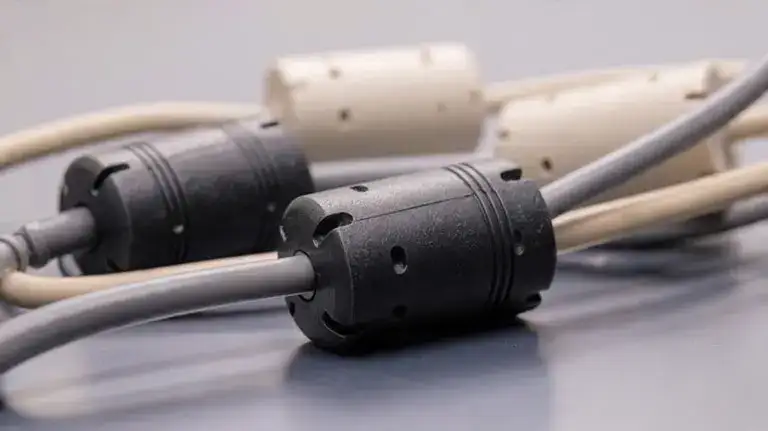
The purpose of this cylinder is to act as a passive low-pass filter. In the world of electronics, every wire is a potential antenna. Because your laptop charger carries an electrical current, it can unintentionally broadcast radio frequency energy. Conversely, it can also pick up stray signals from the environment. The laptop charger cylinder is there to prevent these unwanted signals from causing chaos within your computer’s delicate internal circuitry.
Furthermore, EMI works both ways. Stray signals from other household appliances can travel back through the charging cable into your laptop. Without the ferrite bead purpose being fulfilled, this "noise" could lead to data corruption, screen flickering, or even long-term damage to the battery and motherboard. The cylinder essentially acts as a gatekeeper, allowing the necessary direct current (DC) to pass through to your laptop while effectively "choking" the high-frequency noise and converting it into a tiny, harmless amount of heat.
Because the ferrite bead is designed to target only these high-frequency ripples, it does not interfere with the low-frequency electricity needed to charge your battery. Think of it like a coffee filter; the water and flavour (the power) pass through easily, but the grounds (the electronic noise) are trapped and held back. This ensures that the energy reaching your laptop is "clean," which is vital for the stability of modern processors that operate at incredibly high speeds.
Manufacturers include these cylinders to comply with strict international regulations regarding radio frequency emissions. If a company wants to sell a laptop globally, they must prove that their device won't interfere with emergency radio frequencies or other consumer products. The ferrite bead is a cost-effective and highly reliable way to ensure that the device meets these legal standards while protecting the consumer’s investment.
In some cases, removing the cylinder can lead to a less stable charging experience. Because the laptop charger cylinder is designed to stabilise the flow of energy, its absence could lead to minor power spikes that, over months or years, could degrade your hardware. If your cable is damaged, it is always safer to replace it with a manufacturer-approved lead that includes the necessary ferrite core to ensure your device remains in peak condition.
Image Courtesy: Meta AI
What Exactly Is That Cylinder on Your Cable?
To the casual observer, the cylinder is just a piece of plastic moulded onto the wire. However, if you were to cut it open—which we certainly do not recommend—you would find a dense, dark grey material inside. This material is a ceramic compound called ferrite, which is made from iron oxide combined with other metals like nickel or zinc. This is why the component is professionally referred to as a ferrite bead, a ferrite core, or a choke.The purpose of this cylinder is to act as a passive low-pass filter. In the world of electronics, every wire is a potential antenna. Because your laptop charger carries an electrical current, it can unintentionally broadcast radio frequency energy. Conversely, it can also pick up stray signals from the environment. The laptop charger cylinder is there to prevent these unwanted signals from causing chaos within your computer’s delicate internal circuitry.
The Battle Against Electromagnetic Interference
The primary reason engineers include these beads is to manage electromagnetic interference (EMI). Every electronic device emits a certain amount of radiation. Without a ferrite bead, the long wire of your laptop charger would act as an efficient antenna, radiating high-frequency electrical noise into the air. This could interfere with other nearby electronics, such as your television, radio, or even your Wi-Fi signal, causing flickering screens or dropped connections.Furthermore, EMI works both ways. Stray signals from other household appliances can travel back through the charging cable into your laptop. Without the ferrite bead purpose being fulfilled, this "noise" could lead to data corruption, screen flickering, or even long-term damage to the battery and motherboard. The cylinder essentially acts as a gatekeeper, allowing the necessary direct current (DC) to pass through to your laptop while effectively "choking" the high-frequency noise and converting it into a tiny, harmless amount of heat.
You may also like
- UK financial regulators rush to assess risks of Anthropic's latest AI model: Report
- After Amazon stock's worst day since 2022, CEO Andy Jassy has a message for Wall Street: We're not going to...
- Review of POCO C85x 5G: The No-Frills Marathon Runner?
- Quote of the day by LinkedIn founder Reid Hoffman: 'Throwing your heart into something is great, but when any one thing becomes all that you stand for, you're vulnerable to an identity crisis when you pivot to a Plan B'
- Fears of Anthropic's new AI model Mythos reach Canada, get executives of Canada's biggest banks and regulators in a huddle
How the Science of High-Frequency Noise Suppression Works
The physics behind this process is elegant. When high-frequency electrical noise passes through the portion of the cable encased by the ferrite core, the magnetic field of the noise interacts with the magnetic properties of the ferrite material. This interaction creates an impedance—a type of resistance—that is specific to high frequencies. This is the core of high-frequency noise suppression.Because the ferrite bead is designed to target only these high-frequency ripples, it does not interfere with the low-frequency electricity needed to charge your battery. Think of it like a coffee filter; the water and flavour (the power) pass through easily, but the grounds (the electronic noise) are trapped and held back. This ensures that the energy reaching your laptop is "clean," which is vital for the stability of modern processors that operate at incredibly high speeds.
Is Every Laptop Cable Component Necessary?
You might notice that not every cable in your house has a cylinder. For example, your smartphone charger or your lamp cord usually lacks one. This leads many to wonder if these laptop cable components are strictly necessary. The reason laptops specifically require them is due to the amount of power they draw and the complexity of their internal hardware. Laptops are far more sensitive to voltage fluctuations and signal noise than a simple household lightbulb.Manufacturers include these cylinders to comply with strict international regulations regarding radio frequency emissions. If a company wants to sell a laptop globally, they must prove that their device won't interfere with emergency radio frequencies or other consumer products. The ferrite bead is a cost-effective and highly reliable way to ensure that the device meets these legal standards while protecting the consumer’s investment.
Can You Use a Charger Without a Cylinder?
If the plastic casing on your ferrite bead cracks or falls off, you might be tempted to keep using the charger. While the charger will likely still provide power, you may start to notice subtle issues. Your touchpad might become less responsive, or you might hear a faint humming sound in your speakers or headphones. These are classic signs of electronic noise that is no longer being suppressed.In some cases, removing the cylinder can lead to a less stable charging experience. Because the laptop charger cylinder is designed to stabilise the flow of energy, its absence could lead to minor power spikes that, over months or years, could degrade your hardware. If your cable is damaged, it is always safer to replace it with a manufacturer-approved lead that includes the necessary ferrite core to ensure your device remains in peak condition.
Image Courtesy: Meta AI






More from our partners


Loving Newspoint? Download the app now
