
Wire vs Wireless Charging: Which Method Is Faster, Safer and Better for Your Smartphone Battery?

Wire vs wireless charging is a debate every smartphone user encounters. With phones being an essential part of daily life, knowing the best way to charge them can save time and protect battery health. While wired charging offers speed, wireless charging excels in convenience. Let’s explore which method is faster, safer, and better for your device.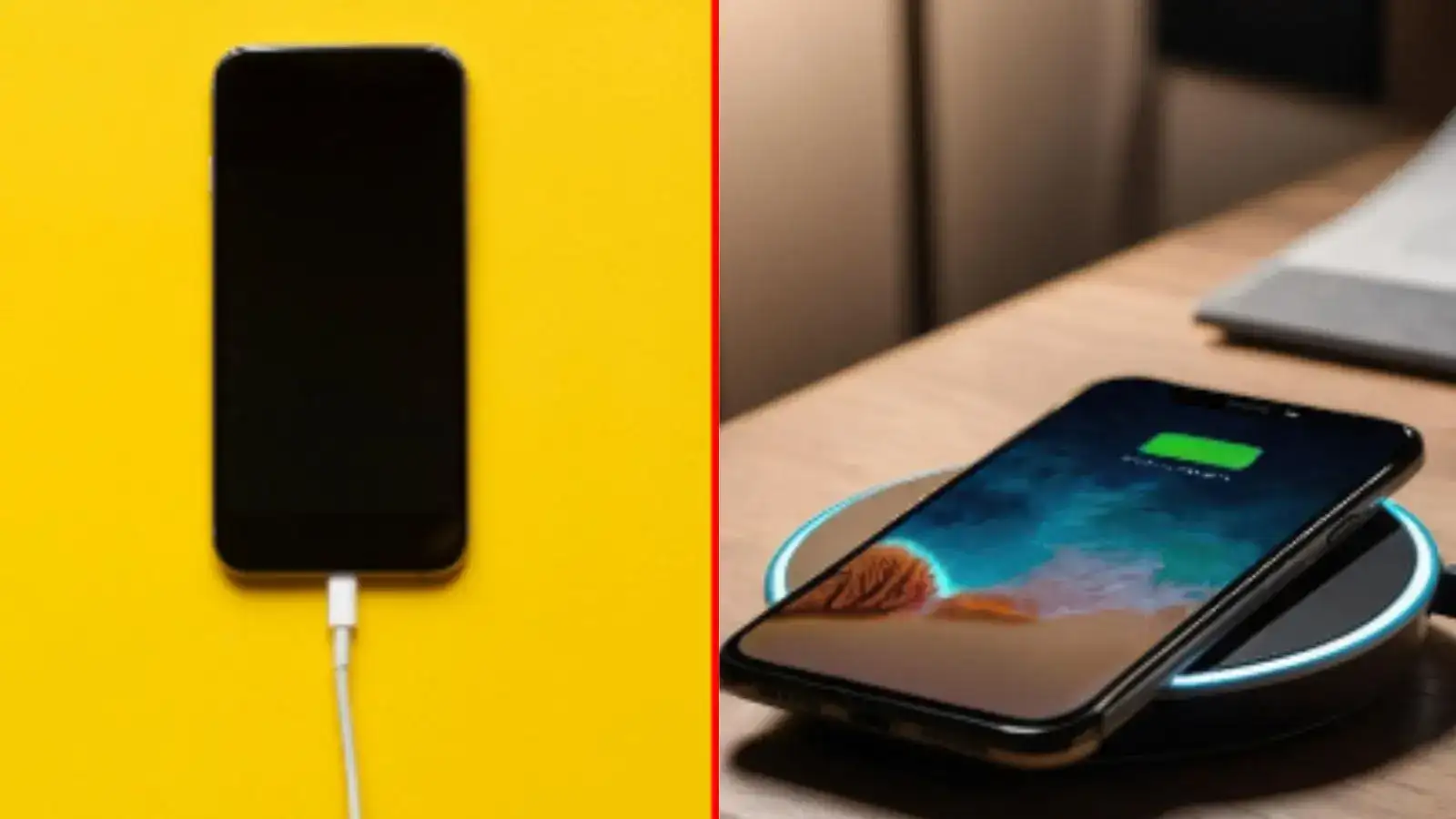
Wired Charging: Speed and Efficiency at Its Best
Wired charging remains the top choice for those prioritising speed. Modern fast chargers can take a smartphone from 0 to 50% in just 15–30 minutes, making them ideal for quick power boosts. Because energy is transferred directly through a cable, wired charging is more efficient, producing less heat and conserving battery health over time.
Wireless Charging: Convenience Without Cables
Wireless charging is all about simplicity. You just place your phone on a charging pad, eliminating tangled cords. This method is perfect for overnight charging or keeping your desk clutter-free. However, wireless charging is usually slower due to lower power output and energy loss during induction.
Battery Health: Does Charging Method Matter?
Heat plays a major role in battery longevity. Wireless charging tends to generate more heat than wired charging because energy transfer via electromagnetic induction is less efficient. Despite this, modern smartphones feature advanced temperature controls and safety systems that prevent overcharging. This makes both wired and wireless charging generally safe for daily use.
Choosing the Right Charging Method for You
Using both methods wisely can maximise your smartphone’s performance: quick wired charges when in a hurry, and wireless for hands-free, leisurely charging.
Wire vs wireless charging each has its advantages. Wired charging is faster and more energy-efficient, while wireless charging offers unparalleled convenience. By understanding the strengths of each, you can protect your smartphone battery and enjoy hassle-free charging every day.
Wired Charging: Speed and Efficiency at Its Best
Wired charging remains the top choice for those prioritising speed. Modern fast chargers can take a smartphone from 0 to 50% in just 15–30 minutes, making them ideal for quick power boosts. Because energy is transferred directly through a cable, wired charging is more efficient, producing less heat and conserving battery health over time.
Wireless Charging: Convenience Without Cables
Wireless charging is all about simplicity. You just place your phone on a charging pad, eliminating tangled cords. This method is perfect for overnight charging or keeping your desk clutter-free. However, wireless charging is usually slower due to lower power output and energy loss during induction.
Battery Health: Does Charging Method Matter?
Heat plays a major role in battery longevity. Wireless charging tends to generate more heat than wired charging because energy transfer via electromagnetic induction is less efficient. Despite this, modern smartphones feature advanced temperature controls and safety systems that prevent overcharging. This makes both wired and wireless charging generally safe for daily use.
Choosing the Right Charging Method for You
- Opt for wired charging if you need speed and minimal heat, especially during busy days.
- Opt for wireless charging for everyday convenience, desk setups, or overnight charging.
Using both methods wisely can maximise your smartphone’s performance: quick wired charges when in a hurry, and wireless for hands-free, leisurely charging.
Wire vs wireless charging each has its advantages. Wired charging is faster and more energy-efficient, while wireless charging offers unparalleled convenience. By understanding the strengths of each, you can protect your smartphone battery and enjoy hassle-free charging every day.
Next Story