
YouTube Creators May Soon Use AI Clones to Produce Shorts Faster

AI slop could soon become even more visible across social media feeds after YouTube announced plans to let creators post Shorts using their own likeness. The update was revealed in YouTube CEO Neal Mohan’s annual letter, where he addressed the growing role of YouTube AI and stressed that “AI will remain a tool for expression, not a replacement.” The move signals a major shift in how AI-generated content may appear on YouTube Shorts .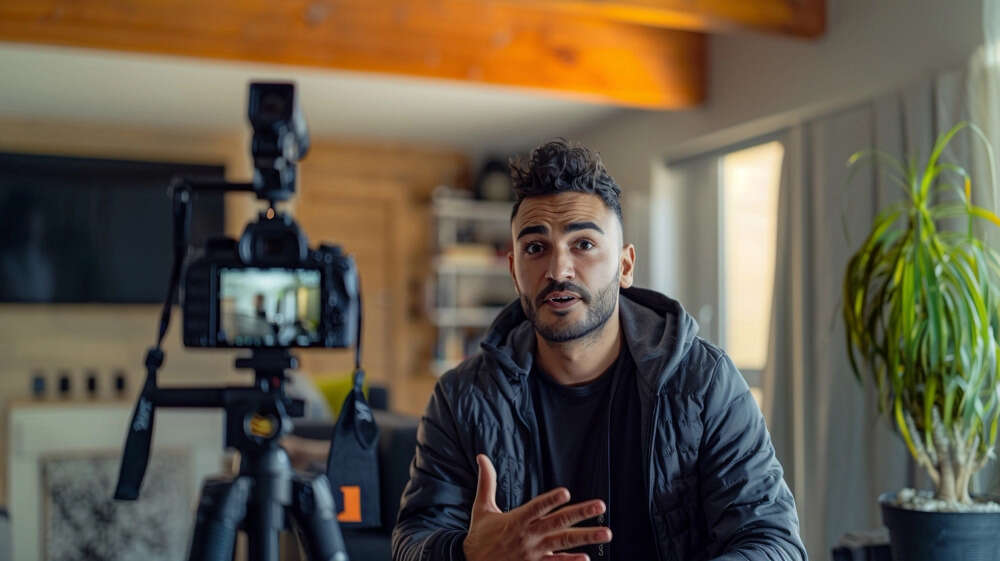
No Timeline Yet for AI Likeness Feature
While excitement around AI-generated Shorts is building, YouTube has not shared details on when the feature will launch or how it will function. Based on existing AI tools , it is expected to work in a similar way to systems that allow creators to generate realistic digital versions of themselves. These typically involve recording a short selfie video and audio clip to create a 3D avatar that can appear in AI-generated content, a method that could soon be part of YouTube AI workflows.
Clear Labels for AI-Generated Content on YouTube
Addressing concerns around AI slop, Mohan stated that YouTube already clearly labels content created using its AI products. He added that creators will be required to disclose when they publish “realistic altered or synthetic content.” This transparency rule is designed to help viewers better understand when AI-generated content is being used, especially as creator likeness becomes part of YouTube Shorts.
New Controls to Protect Creator Likeness
Mohan also announced that YouTube will “equip creators with new tools to manage the use of their likeness in AI-generated content.” These controls aim to give creators more authority over how their image and voice are used, a growing concern as YouTube AI capabilities become more advanced and accessible to a wider range of users.
Will AI Slop Take Over YouTube Shorts?
During his letter, Mohan directly addressed fears around AI slop, noting that “Over the past 20 years, we’ve learned not to impose any preconceived notions on the creator ecosystem.” At the same time, he emphasized that YouTube has a responsibility to protect the viewing experience and ensure that AI-generated content does not overwhelm users with low-quality material.
Fighting Low-Quality AI Content at Scale
Mohan explained how the platform plans to limit AI slop, saying, “To reduce the spread of low-quality AI content, we’re actively building on our established systems that have been very successful in combatting spam and clickbait, and reducing the spread of low-quality, repetitive content.” These systems are expected to play a key role as YouTube Shorts continue to grow rapidly alongside YouTube AI tools.
Shorts Cross 200 Billion Daily Views
Highlighting the massive scale of Shorts, Mohan revealed that YouTube Shorts are now averaging 200 billion views per day. Along with AI-generated content, YouTube is rolling out additional updates, including the ability to post images directly into the Shorts feed, further expanding creative options for creators using YouTube AI features.
YouTube is also introducing stronger parental controls linked to Shorts consumption. Parents will soon be able to manage how much time kids and teens spend scrolling YouTube Shorts, including the option to set the timer to “zero.” This move reflects growing awareness of screen time concerns as AI-generated content becomes more engaging and widespread.
AI-Powered Game Creation Coming to YouTube
Mohan also spoke about a new YouTube AI feature that will allow users to create games using a simple text prompt. This adds to a growing list of AI-powered tools already available on the platform, reinforcing YouTube’s push toward interactive and generative content experiences.
Existing AI Tools for YouTube Creators
Currently, YouTube offers several AI features to support content creation, including Edit with AI in the YouTube Create app, AI-enabled auto-dubbing in more than 20 languages, and Dream Screen for AI-generated video and image backgrounds for Shorts. These tools have already changed how creators approach YouTube Shorts and AI-generated content.
Ask Tool Expands Viewer Interaction
Mohan also shared that over 20 million users have gained deeper insights into videos using YouTube’s Ask tool. This AI-powered button appears below videos and allows viewers to ask questions about the content they are watching, further integrating YouTube AI into everyday viewing habits and reshaping how audiences interact with content.
No Timeline Yet for AI Likeness Feature
While excitement around AI-generated Shorts is building, YouTube has not shared details on when the feature will launch or how it will function. Based on existing AI tools , it is expected to work in a similar way to systems that allow creators to generate realistic digital versions of themselves. These typically involve recording a short selfie video and audio clip to create a 3D avatar that can appear in AI-generated content, a method that could soon be part of YouTube AI workflows.Clear Labels for AI-Generated Content on YouTube
Addressing concerns around AI slop, Mohan stated that YouTube already clearly labels content created using its AI products. He added that creators will be required to disclose when they publish “realistic altered or synthetic content.” This transparency rule is designed to help viewers better understand when AI-generated content is being used, especially as creator likeness becomes part of YouTube Shorts.New Controls to Protect Creator Likeness
Mohan also announced that YouTube will “equip creators with new tools to manage the use of their likeness in AI-generated content.” These controls aim to give creators more authority over how their image and voice are used, a growing concern as YouTube AI capabilities become more advanced and accessible to a wider range of users. Will AI Slop Take Over YouTube Shorts?
During his letter, Mohan directly addressed fears around AI slop, noting that “Over the past 20 years, we’ve learned not to impose any preconceived notions on the creator ecosystem.” At the same time, he emphasized that YouTube has a responsibility to protect the viewing experience and ensure that AI-generated content does not overwhelm users with low-quality material.Fighting Low-Quality AI Content at Scale
Mohan explained how the platform plans to limit AI slop, saying, “To reduce the spread of low-quality AI content, we’re actively building on our established systems that have been very successful in combatting spam and clickbait, and reducing the spread of low-quality, repetitive content.” These systems are expected to play a key role as YouTube Shorts continue to grow rapidly alongside YouTube AI tools. Shorts Cross 200 Billion Daily Views
Highlighting the massive scale of Shorts, Mohan revealed that YouTube Shorts are now averaging 200 billion views per day. Along with AI-generated content, YouTube is rolling out additional updates, including the ability to post images directly into the Shorts feed, further expanding creative options for creators using YouTube AI features. New Parental Controls for Shorts Scrolling
YouTube is also introducing stronger parental controls linked to Shorts consumption. Parents will soon be able to manage how much time kids and teens spend scrolling YouTube Shorts, including the option to set the timer to “zero.” This move reflects growing awareness of screen time concerns as AI-generated content becomes more engaging and widespread.
AI-Powered Game Creation Coming to YouTube
Mohan also spoke about a new YouTube AI feature that will allow users to create games using a simple text prompt. This adds to a growing list of AI-powered tools already available on the platform, reinforcing YouTube’s push toward interactive and generative content experiences. Existing AI Tools for YouTube Creators
Currently, YouTube offers several AI features to support content creation, including Edit with AI in the YouTube Create app, AI-enabled auto-dubbing in more than 20 languages, and Dream Screen for AI-generated video and image backgrounds for Shorts. These tools have already changed how creators approach YouTube Shorts and AI-generated content.Ask Tool Expands Viewer Interaction
Mohan also shared that over 20 million users have gained deeper insights into videos using YouTube’s Ask tool. This AI-powered button appears below videos and allows viewers to ask questions about the content they are watching, further integrating YouTube AI into everyday viewing habits and reshaping how audiences interact with content. Next Story