
India-EU trade pact will help boost tourism, demand for hotels, says Louvre Hotels CEO


The free trade agreement between India and the European Union will boost travel and hospitality demand, Eduardo Bosch, chief executive of Louvre Hotels Group, said, adding that India is the fastest growing market for Europe's second largest hotel operator that also owns a majority stake in Sarovar Hotels.
"The landmark trade agreement in place between India and the EU will help the tourism industry for sure because there will be more and more corporations working and travelling on both sides. This means additional demand for hotels," Bosch told ET in an interview.
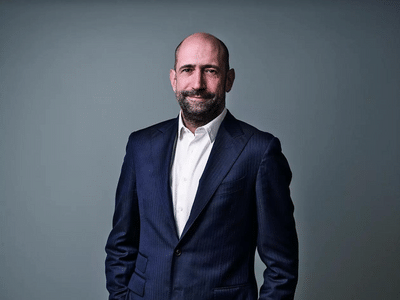
A part of Chinese conglomerate Jin Jiang International, Louvre Hotels Group has around 2,000 operational and in pipeline hotels globally in over 70 countries, and its portfolio includes brands such as Golden Tulip, Royal Tulip, and Campanile besides the Sarovar brand.
"India is the third biggest market after France and China in terms of our presence today, but the number one market in terms of growth," Bosch said.
"Our key segment is mid-scale. Which is why the work that we are doing with Sarovar is key to our growth in the country," he said, noting that the chain's global competitors are mostly focused on the upscale and luxury segments.
"We are seeing the other big groups are trying to focus on the mid-scale segment now, but the good news is Sarovar is already one step ahead," he added.
Its primary competitor in the mid-market segment is Accor, besides the regional players in the mid-market segments.
Ajay K Bakaya, chairman of Sarovar Hotels and director at Louvre Hotels India, said Sarovar crossed ₹2,000 crore in revenues last year and is targeting an 18% growth year-on-year for the next three years.
"It's a much bigger marketplace today. But we have a huge advantage," he said. "The bigger growth in numbers has to happen in the mid-market space and we are already there. We have 150 hotels and are covering India all over the place... It won't take us long to get to the 200 hotel mark."
Bakaya said the chain would be "the largest in terms of the number of destinations we cover," being present in 87 destinations.
Louvre Hotels Group has embarked on a five-year plan to revamp its strategy. "We are repositioning and renovating our owned and leased properties under this plan and by the end of 2026, we aim to reposition 82% of our own and leased properties," Bosch said.
He said the group is seeing over 10% growth in revenues and market share for its repositioned properties. "We will also relaunch our loyalty programme, and our revamped websites besides having new systems in place," he added.
Bosch said the acquisition of a majority stake in Sarovar in 2017 was one of the most critical decisions undertaken by the group.
"We are investing in Sarovar in terms of technology and distribution, creating a new loyalty programme and all the strategic areas of growth for the company," he said. "Sarovar is a jewel for the group and we have a really great potential to continue investing in the company." Bakaya said to reach the 300 hotels mark from 150 currently, Sarovar might look at more franchising opportunities, or third-party managers.
"The landmark trade agreement in place between India and the EU will help the tourism industry for sure because there will be more and more corporations working and travelling on both sides. This means additional demand for hotels," Bosch told ET in an interview.
A part of Chinese conglomerate Jin Jiang International, Louvre Hotels Group has around 2,000 operational and in pipeline hotels globally in over 70 countries, and its portfolio includes brands such as Golden Tulip, Royal Tulip, and Campanile besides the Sarovar brand.
"India is the third biggest market after France and China in terms of our presence today, but the number one market in terms of growth," Bosch said.
"Our key segment is mid-scale. Which is why the work that we are doing with Sarovar is key to our growth in the country," he said, noting that the chain's global competitors are mostly focused on the upscale and luxury segments.
"We are seeing the other big groups are trying to focus on the mid-scale segment now, but the good news is Sarovar is already one step ahead," he added.
Its primary competitor in the mid-market segment is Accor, besides the regional players in the mid-market segments.
Ajay K Bakaya, chairman of Sarovar Hotels and director at Louvre Hotels India, said Sarovar crossed ₹2,000 crore in revenues last year and is targeting an 18% growth year-on-year for the next three years.
"It's a much bigger marketplace today. But we have a huge advantage," he said. "The bigger growth in numbers has to happen in the mid-market space and we are already there. We have 150 hotels and are covering India all over the place... It won't take us long to get to the 200 hotel mark."
Bakaya said the chain would be "the largest in terms of the number of destinations we cover," being present in 87 destinations.
Louvre Hotels Group has embarked on a five-year plan to revamp its strategy. "We are repositioning and renovating our owned and leased properties under this plan and by the end of 2026, we aim to reposition 82% of our own and leased properties," Bosch said.
He said the group is seeing over 10% growth in revenues and market share for its repositioned properties. "We will also relaunch our loyalty programme, and our revamped websites besides having new systems in place," he added.
Bosch said the acquisition of a majority stake in Sarovar in 2017 was one of the most critical decisions undertaken by the group.
"We are investing in Sarovar in terms of technology and distribution, creating a new loyalty programme and all the strategic areas of growth for the company," he said. "Sarovar is a jewel for the group and we have a really great potential to continue investing in the company." Bakaya said to reach the 300 hotels mark from 150 currently, Sarovar might look at more franchising opportunities, or third-party managers.
Next Story