Rome to charge tourist fee for close-up access to Trevi Fountain starting February 2026


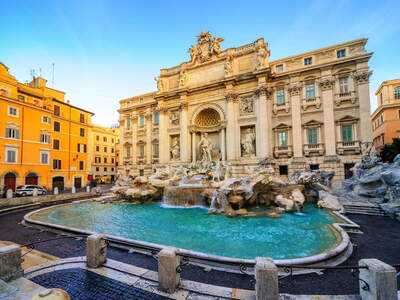
Tourists visiting Rome’s Trevi Fountain will have to pay a new €2 fee to get close to the monument during daytime hours, starting February 1. The city administration said the charge will apply from 9 am to 9 pm and will be limited to non-residents. Visitors can still view the fountain for free from the piazza above, and access will remain free after nightfall, according to the Associated Press.
The fee is part of Rome’s effort to manage heavy tourist crowds, improve visitor movement and help cover maintenance costs. City officials estimate the measure could generate about 6.5 million euros a year. Rome residents will be exempt from the charge. The decision follows a year-long trial that introduced queues and fixed entry and exit routes to control access to the fountain’s edge.
Rome Mayor Roberto Gualtieri said the policy balances access for residents and visitors. “We believe that culture is a fundamental right of citizenship,” he said. “We think it’s correct and positive that the citizens of Rome can enjoy our museums free of charge.” He added that the Trevi fee is small and is meant to allow a more organized visit rather than discourage tourists.
Around 9 million people queued this year to reach the fountain’s front basin, with daily numbers reaching up to 70,000 at peak times, Gualtieri said. Under the new system, visitors can pay online, while waiting in line, or at tourist points across the city. The Trevi fee follows similar steps taken at the Pantheon and Venice’s day-tripper tax to address overtourism.
The Trevi Fountain was first commissioned in 1640 and completed in the 18th century based on designs by architect Nicola Salvi. The site remains one of Rome’s most visited landmarks, known for the tradition of tossing a coin to ensure a return to the city.
(With inputs from AP)
The fee is part of Rome’s effort to manage heavy tourist crowds, improve visitor movement and help cover maintenance costs. City officials estimate the measure could generate about 6.5 million euros a year. Rome residents will be exempt from the charge. The decision follows a year-long trial that introduced queues and fixed entry and exit routes to control access to the fountain’s edge.
Rome Mayor Roberto Gualtieri said the policy balances access for residents and visitors. “We believe that culture is a fundamental right of citizenship,” he said. “We think it’s correct and positive that the citizens of Rome can enjoy our museums free of charge.” He added that the Trevi fee is small and is meant to allow a more organized visit rather than discourage tourists.
Around 9 million people queued this year to reach the fountain’s front basin, with daily numbers reaching up to 70,000 at peak times, Gualtieri said. Under the new system, visitors can pay online, while waiting in line, or at tourist points across the city. The Trevi fee follows similar steps taken at the Pantheon and Venice’s day-tripper tax to address overtourism.
The Trevi Fountain was first commissioned in 1640 and completed in the 18th century based on designs by architect Nicola Salvi. The site remains one of Rome’s most visited landmarks, known for the tradition of tossing a coin to ensure a return to the city.
(With inputs from AP)
Next Story