
Tesla Q1 figures tell a different story: What Elon Musk's big shift means for the company and your investment


Tesla reported its first-quarter 2026 delivery figures on April 2, offering a snapshot of a business that is steady but undergoing a visible shift in priorities. The company delivered 358,023 vehicles during the quarter, reflecting a year-over-year increase of roughly 6 percent compared with 336,681 deliveries in Q1 2025.
At the same time, the figure marked a notable decline from the 418,227 vehicles delivered in Q4 2025. Production for the quarter stood at 408,386 vehicles, while energy storage deployments reached 8.8 GWh. The numbers indicate stability rather than rapid expansion, suggesting a maturing electric vehicle market influenced by competition, softer demand, and reduced incentives.

Despite appearing routine, the figures align closely with long-standing statements made by Elon Musk regarding the company’s evolving focus.
Elon Musk’s long-term focus on Optimus and robotics takes shapeMusk has consistently argued that Tesla’s future extends well beyond its automotive operations. In September 2025, he stated on X that approximately 80 percent of Tesla’s value would eventually come from Optimus, the company’s humanoid robot.
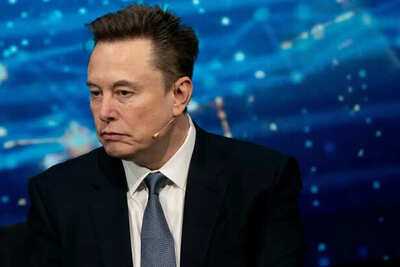 Tesla reported its first-quarter 2026 delivery figures on April 2 He further described Optimus as potentially more significant than Tesla’s vehicle business over time. This direction became more concrete in January 2026 during the Q4 2025 earnings call, when Musk announced the end of Model S and Model X production, referring to it as an “honorable discharge.”
The Fremont factory space previously used for those models is now being repurposed into an Optimus production facility. The company has set a long-term target of producing one million robots annually from that location alone.
The Q1 2026 data arrives as this transition gains momentum. Model 3 and Model Y deliveries accounted for 341,893 units, while other models, including Cybertruck, Semi, and the remaining Model S and X vehicles, contributed 16,130 units.
Slower delivery growth reflects strategic reprioritisationThe moderation in delivery growth reflects a deliberate shift rather than a loss of direction. Tesla is no longer prioritising rapid expansion in vehicle volumes. Instead, it is reallocating resources toward autonomy, energy storage, and robotics.
These areas, according to Musk, are expected to deliver significantly higher margins and long-term value compared with incremental gains in car sales. The company’s approach indicates a move away from relying on quarterly delivery performance as the primary measure of success.
While electric vehicle demand stabilises, Tesla is building capabilities in areas such as robotaxis and humanoid robotics, which are positioned as future revenue drivers.
Market expectations and Tesla’s broader valuation narrativeBefore the release, Wall Street estimates had placed expected deliveries at around 365,000 units. The reported figure fell slightly below that level, which could be viewed as a shortfall when assessed purely through an automotive lens.
However, Musk has repeatedly maintained that Tesla should not be evaluated solely as a car manufacturer. The Q1 results reinforce that perspective by showing a company in transition, where automotive metrics are becoming less central to its overall valuation.
 Musk has consistently argued that Teslas future extends well beyond its automotive operations The combination of steady vehicle performance, the gradual winding down of legacy programs, and the ramp-up of new initiatives supports this broader narrative.
Tesla’s shift signals a redefinition of its core businessTesla’s trajectory suggests a shift from being primarily an electric vehicle company to a broader technology-focused enterprise. Its earlier disruption of the automotive industry is now followed by an internal transformation aimed at redefining its own operations.
Vehicles, once the dominant and most visible part of Tesla’s business, are becoming one component within a larger ecosystem that includes artificial intelligence, autonomy, and robotics.
The Q1 delivery figures, while not exceptional, illustrate this transition clearly. They reflect a phase where traditional automotive performance is stabilising as new priorities take precedence.
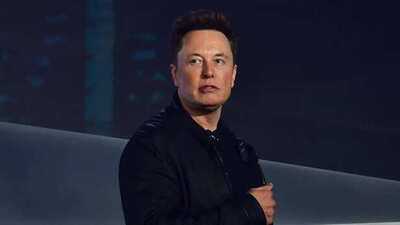 Tesla is no longer prioritising rapid expansion in vehicle volumes Criticism of this approach remains, with some viewing the shift as premature. However, the data supports Musk’s long-held position that Tesla’s future value will not be tied exclusively to vehicle deliveries.
The company’s strategy now centres on AI-driven systems that could convert vehicles into robotaxis and manufacturing facilities into large-scale robotics production hubs. The latest delivery report does not significantly exceed expectations, but it aligns with the company’s stated direction.
Tesla’s automotive business remains important, but it is no longer the sole focus. Instead, it is part of a broader framework aimed at expanding into higher-margin, technology-driven sectors.
At the same time, the figure marked a notable decline from the 418,227 vehicles delivered in Q4 2025. Production for the quarter stood at 408,386 vehicles, while energy storage deployments reached 8.8 GWh. The numbers indicate stability rather than rapid expansion, suggesting a maturing electric vehicle market influenced by competition, softer demand, and reduced incentives.
Despite appearing routine, the figures align closely with long-standing statements made by Elon Musk regarding the company’s evolving focus.
Elon Musk’s long-term focus on Optimus and robotics takes shapeMusk has consistently argued that Tesla’s future extends well beyond its automotive operations. In September 2025, he stated on X that approximately 80 percent of Tesla’s value would eventually come from Optimus, the company’s humanoid robot.
The Fremont factory space previously used for those models is now being repurposed into an Optimus production facility. The company has set a long-term target of producing one million robots annually from that location alone.
The Q1 2026 data arrives as this transition gains momentum. Model 3 and Model Y deliveries accounted for 341,893 units, while other models, including Cybertruck, Semi, and the remaining Model S and X vehicles, contributed 16,130 units.
Slower delivery growth reflects strategic reprioritisationThe moderation in delivery growth reflects a deliberate shift rather than a loss of direction. Tesla is no longer prioritising rapid expansion in vehicle volumes. Instead, it is reallocating resources toward autonomy, energy storage, and robotics.
These areas, according to Musk, are expected to deliver significantly higher margins and long-term value compared with incremental gains in car sales. The company’s approach indicates a move away from relying on quarterly delivery performance as the primary measure of success.
While electric vehicle demand stabilises, Tesla is building capabilities in areas such as robotaxis and humanoid robotics, which are positioned as future revenue drivers.
Market expectations and Tesla’s broader valuation narrativeBefore the release, Wall Street estimates had placed expected deliveries at around 365,000 units. The reported figure fell slightly below that level, which could be viewed as a shortfall when assessed purely through an automotive lens.
However, Musk has repeatedly maintained that Tesla should not be evaluated solely as a car manufacturer. The Q1 results reinforce that perspective by showing a company in transition, where automotive metrics are becoming less central to its overall valuation.
Tesla’s shift signals a redefinition of its core businessTesla’s trajectory suggests a shift from being primarily an electric vehicle company to a broader technology-focused enterprise. Its earlier disruption of the automotive industry is now followed by an internal transformation aimed at redefining its own operations.
Vehicles, once the dominant and most visible part of Tesla’s business, are becoming one component within a larger ecosystem that includes artificial intelligence, autonomy, and robotics.
The Q1 delivery figures, while not exceptional, illustrate this transition clearly. They reflect a phase where traditional automotive performance is stabilising as new priorities take precedence.
The company’s strategy now centres on AI-driven systems that could convert vehicles into robotaxis and manufacturing facilities into large-scale robotics production hubs. The latest delivery report does not significantly exceed expectations, but it aligns with the company’s stated direction.
Tesla’s automotive business remains important, but it is no longer the sole focus. Instead, it is part of a broader framework aimed at expanding into higher-margin, technology-driven sectors.
Next Story