
10 deepest lakes in the United States: From Crater Lake to Seneca Lake


The deepest lakes in the United States are scattered across very different landscapes. Some sit inside volcanic craters, some stretch through glacial valleys, and others form part of the vast inland freshwater system bordering Canada. Depth alone does not always make these lakes visually dramatic. A few appear almost still from the shoreline, while beneath the surface, the water drops more than a thousand feet into cold, dark basins shaped thousands of years ago. Many of these lakes were formed during periods of volcanic activity or glacial retreat, which explains why a large number are concentrated in western states and the upper Great Lakes region. Their depth affects everything from water temperature and clarity to local ecosystems and weather patterns nearby. Some remain important for research and freshwater conservation, while others are known mainly as tourist destinations surrounded by forests or mountain ranges.
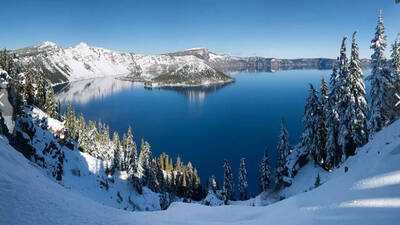
As reported by WorldAtlas, check the list below of the top 10 deepest lakes in the United States.
The 10 deepest lakes found across the United States
1. Crater Lake , Oregon
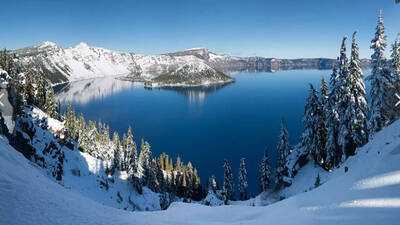
Crater Lake reaches nearly 1,950 feet at its deepest point, making it the deepest lake in the United States. It formed after the collapse of Mount Mazama, a volcano that erupted thousands of years ago. The lake occupies the caldera left behind by that eruption.
The water is known for its striking blue appearance and unusual clarity. Because no major rivers flow into the lake, relatively little sediment enters the basin. Snowfall plays a major role in maintaining water levels throughout the year.
2. Lake Tahoe , California and Nevada
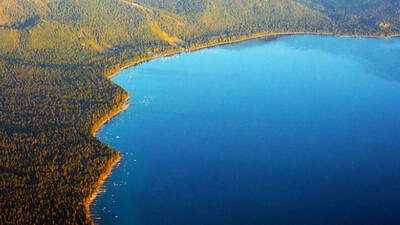
Lake Tahoe is one of the country’s best-known alpine lakes and reaches depths of more than 1,600 feet. It sits high in the Sierra Nevada and was shaped through tectonic movement combined with glacial activity.
Despite heavy tourism around the shoreline, the lake still retains much of its clear water. Environmental agencies have spent decades monitoring pollution and runoff because visibility has gradually declined compared with earlier measurements.
3. Lake Chelan, Washington
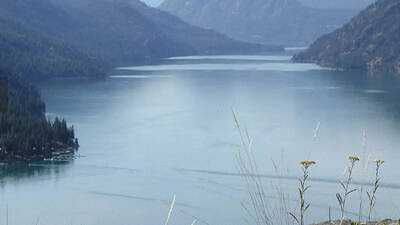
Lake Chelan extends through a long, narrow valley in north-central Washington and descends to roughly 1,486 feet. The lake was carved by glaciers, leaving steep mountainous terrain around much of its shoreline.
Several isolated communities near the upper lake are accessible mainly by boat or small aircraft. During colder months, fog and low cloud cover often settle over the water early in the morning.
4. Lake Superior
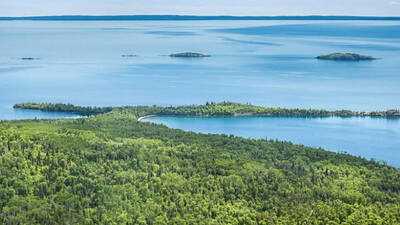
Lake Superior is the largest freshwater lake by surface area in the world and reaches depths of more than 1,300 feet. Its scale gives it conditions that resemble an inland sea more than a typical lake.
Storms over Superior can become severe, especially in late autumn. The lake is also associated with a large number of shipwrecks due to sudden weather changes and freezing water temperatures.
5. Lake Pend Oreille, Idaho
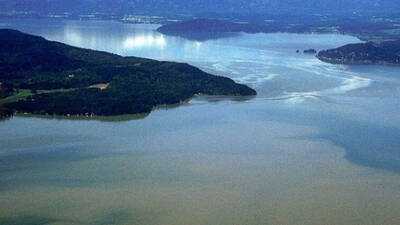
Lake Pend Oreille is Idaho’s deepest lake, descending beyond 1,150 feet in places. It was formed by glacial activity and occupies a basin surrounded by forested mountain terrain.
Parts of the lake became linked with naval acoustic research during the twentieth century because the underwater conditions allowed submarine testing and sound experiments in deep freshwater.
6. Flathead Lake, Montana
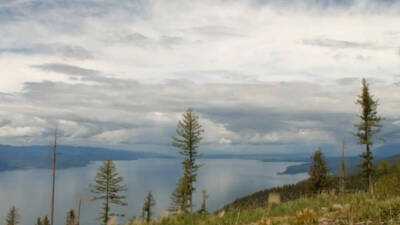
Flathead Lake reaches depths of around 370 feet and remains one of the largest natural freshwater lakes west of the Mississippi River. It formed through glacial processes connected to the ancient Ice Age landscape of the region.
The lake supports cherry orchards, fishing communities, and seasonal tourism. Water levels can vary depending on snowmelt and river inflow from nearby mountain areas.
7. Lake Michigan
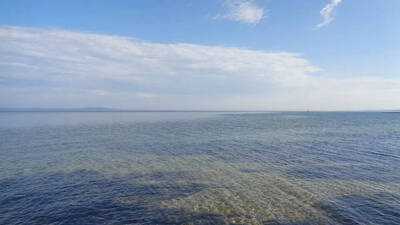
Lake Michigan reaches roughly 920 feet at its deepest measured point. Unlike the other Great Lakes, it lies entirely within the United States.
Large dunes line parts of the shoreline, especially along Michigan’s western coast. The lake also plays a major role in weather systems across the Midwest, particularly during winter lake-effect snow events.
8. Lake Ontario
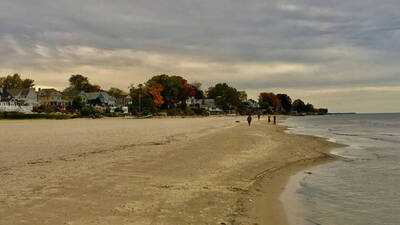
Lake Ontario descends to around 800 feet and forms the easternmost section of the Great Lakes system. It connects to the Atlantic Ocean through the St Lawrence River.
Major urban centres developed along its shoreline because of shipping access and freshwater supply. Even so, sections of the lake remain important habitats for migratory birds and cold-water fish species.
9. Lake Clark, Alaska
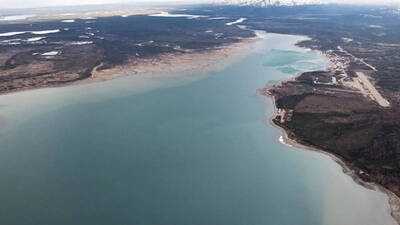
Lake Clark stretches through remote Alaskan wilderness and reaches significant depths within a glacier-fed basin. The lake lies inside a national park area known for brown bears, salmon runs, and volcanic mountains nearby.
Weather conditions there shift rapidly. Strong winds moving through mountain gaps can make the water difficult to navigate even during summer months.
10. Seneca Lake , New York
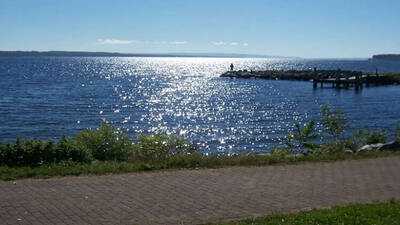
Seneca Lake is the deepest of New York’s Finger Lakes, reaching more than 600 feet in depth. The long narrow lake was formed by glaciers that carved deep troughs into the landscape during the Ice Age.
Vineyards and small towns now surround much of the shoreline. Because the lake stores heat efficiently, nearby areas experience slightly milder winter conditions compared with surrounding inland regions.
As reported by WorldAtlas, check the list below of the top 10 deepest lakes in the United States.
The 10 deepest lakes found across the United States
1. Crater Lake , Oregon
Crater Lake reaches nearly 1,950 feet at its deepest point, making it the deepest lake in the United States. It formed after the collapse of Mount Mazama, a volcano that erupted thousands of years ago. The lake occupies the caldera left behind by that eruption.
The water is known for its striking blue appearance and unusual clarity. Because no major rivers flow into the lake, relatively little sediment enters the basin. Snowfall plays a major role in maintaining water levels throughout the year.
2. Lake Tahoe , California and Nevada
Lake Tahoe is one of the country’s best-known alpine lakes and reaches depths of more than 1,600 feet. It sits high in the Sierra Nevada and was shaped through tectonic movement combined with glacial activity.
3. Lake Chelan, Washington
Lake Chelan extends through a long, narrow valley in north-central Washington and descends to roughly 1,486 feet. The lake was carved by glaciers, leaving steep mountainous terrain around much of its shoreline.
4. Lake Superior
Lake Superior is the largest freshwater lake by surface area in the world and reaches depths of more than 1,300 feet. Its scale gives it conditions that resemble an inland sea more than a typical lake.
5. Lake Pend Oreille, Idaho
Lake Pend Oreille is Idaho’s deepest lake, descending beyond 1,150 feet in places. It was formed by glacial activity and occupies a basin surrounded by forested mountain terrain.
6. Flathead Lake, Montana
Flathead Lake reaches depths of around 370 feet and remains one of the largest natural freshwater lakes west of the Mississippi River. It formed through glacial processes connected to the ancient Ice Age landscape of the region.
7. Lake Michigan
Lake Michigan reaches roughly 920 feet at its deepest measured point. Unlike the other Great Lakes, it lies entirely within the United States.
Large dunes line parts of the shoreline, especially along Michigan’s western coast. The lake also plays a major role in weather systems across the Midwest, particularly during winter lake-effect snow events.
8. Lake Ontario
Lake Ontario descends to around 800 feet and forms the easternmost section of the Great Lakes system. It connects to the Atlantic Ocean through the St Lawrence River.
Major urban centres developed along its shoreline because of shipping access and freshwater supply. Even so, sections of the lake remain important habitats for migratory birds and cold-water fish species.
9. Lake Clark, Alaska
Lake Clark stretches through remote Alaskan wilderness and reaches significant depths within a glacier-fed basin. The lake lies inside a national park area known for brown bears, salmon runs, and volcanic mountains nearby.
Weather conditions there shift rapidly. Strong winds moving through mountain gaps can make the water difficult to navigate even during summer months.
10. Seneca Lake , New York
Seneca Lake is the deepest of New York’s Finger Lakes, reaching more than 600 feet in depth. The long narrow lake was formed by glaciers that carved deep troughs into the landscape during the Ice Age.
Vineyards and small towns now surround much of the shoreline. Because the lake stores heat efficiently, nearby areas experience slightly milder winter conditions compared with surrounding inland regions.
Next Story