
10 Poorest Countries in the World: 2026 Economic Rankings

When we talk about the poorest countries, it is easy to get lost in a sea of numbers, percentages, and cold economic data. But behind every statistic is a person trying to make ends meet, a family hoping for a better harvest, and a community working to build a future against incredible odds. Understanding which nations face the most significant economic hurdles is not just about ranking them; it is about acknowledging the complex web of history, climate, and politics that shapes our global neighborhood.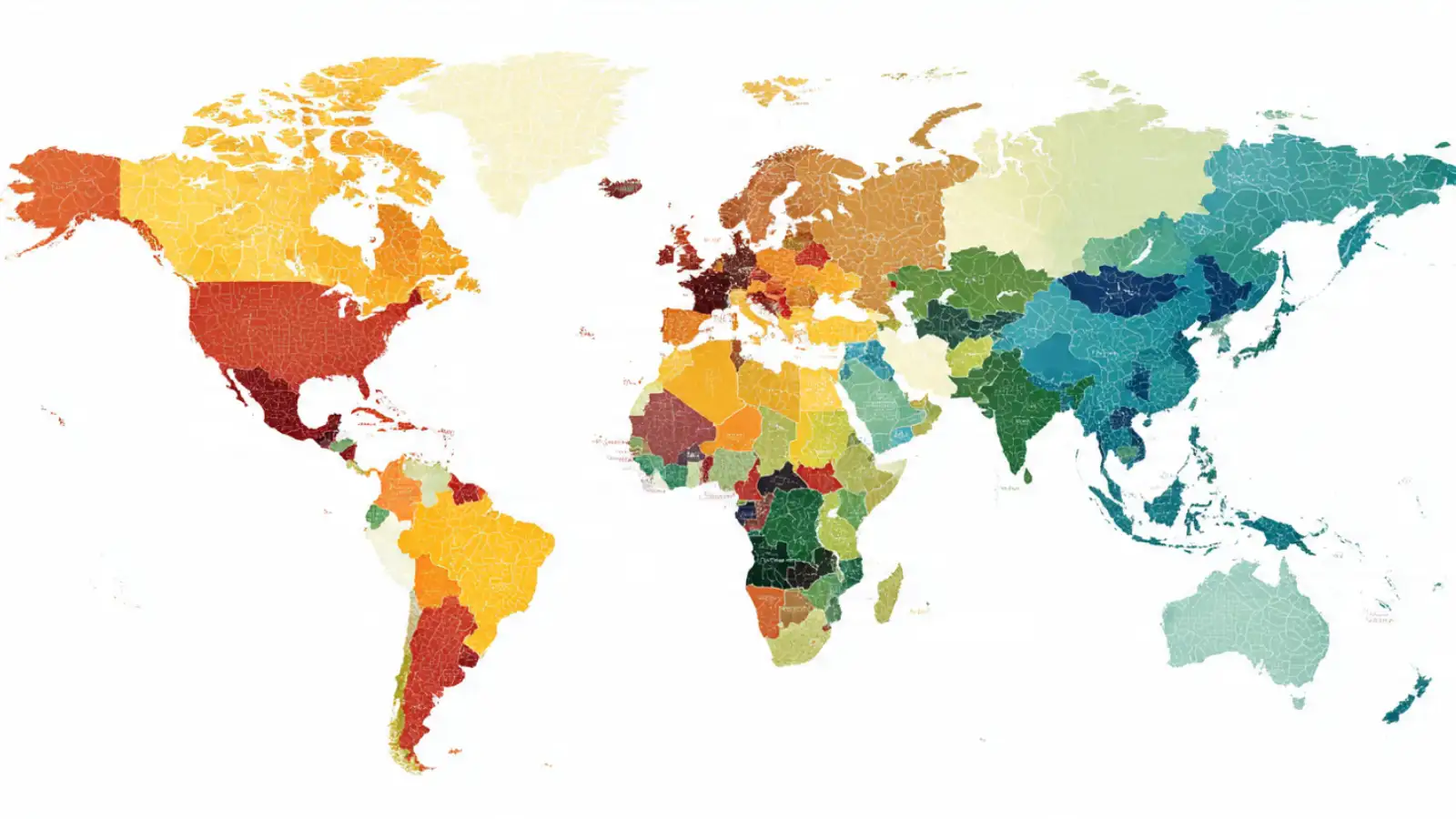
In 2026, the gap between the wealthiest and the most struggling nations remains a stark reminder of the work left to do. By looking at these ten countries, we gain a deeper appreciation for the stability many of us take for granted and a clearer view of the systemic challenges that keep millions in a cycle of survival.
The economy is also heavily tied to oil. While that sounds like a blessing, it actually makes the country vulnerable to global price swings. When oil prices drop, the government’s ability to provide basic services like schools or clinics disappears almost overnight.
Many of these nations have incredibly young populations. This "youth bulge" can be a challenge, but it is also a source of immense energy and innovation. If these young people get access to education and a stable environment, the list of the world's poorest countries could look very different in another ten years.
In 2026, the gap between the wealthiest and the most struggling nations remains a stark reminder of the work left to do. By looking at these ten countries, we gain a deeper appreciation for the stability many of us take for granted and a clearer view of the systemic challenges that keep millions in a cycle of survival.
Why GDP Per Capita Matters
Before we dive into the list, it is helpful to understand how we measure this. Economists usually look at Gross Domestic Product (GDP) per capita based on Purchasing Power Parity ( PPP ). In simpler terms, this is the total value of everything a country produces, divided by its population, and then adjusted for the actual cost of living in that specific place. It tells us how much buying power the average person has.1. South Sudan
At the top of the list for 2026 is South Sudan. This is a nation that has faced an uphill battle since its independence. Imagine trying to build a house while the ground is constantly shifting; that is what building an economy has been like here. Years of internal conflict have disrupted farming, which is the heartbeat of the country. When people cannot safely plant crops, the entire food system breaks down.The economy is also heavily tied to oil. While that sounds like a blessing, it actually makes the country vulnerable to global price swings. When oil prices drop, the government’s ability to provide basic services like schools or clinics disappears almost overnight.
2. Burundi: The Challenge of the Landlocked
Burundi is a beautiful, hilly country, but being landlocked creates massive hurdles for trade. To get goods in or out, you have to rely on the roads and ports of your neighbors, which adds layers of cost and complexity. Most people here are subsistence farmers, meaning they grow only what they need to eat. If the rains fail or the soil becomes exhausted, there is no safety net. With a very high population density, the pressure on every square inch of farmable land is intense.3. Central African Republic
It is one of the great ironies of our world that some of the most resource-rich places are the most economically challenged. The Central African Republic sits on gold and diamonds, yet its people remain among the poorest. The reason? Chronic instability. It is difficult to run a mine or a business when peace is fragile. Wealth often gets diverted or trapped by conflict, leaving the average citizen to rely on informal work and humanitarian aid.4. Democratic Republic of the Congo
The Democratic Republic of the Congo is a massive country with enough mineral wealth to power the global green energy transition. However, size can be a double-edged sword. Coordinating infrastructure across such a vast territory is a logistical nightmare. While there is immense potential in its mining sector, the benefits rarely trickle down to the rural villages. Most families still live without reliable electricity, relying on the land to survive day by day.5. Mozambique
Mozambique’s story is often one of nature vs. progress. In recent years, the country has been hit by increasingly severe cyclones and floods. Imagine building a small business or a farm, only to have a storm wash it away every few years. While there are massive natural gas projects on the horizon that could change the country’s fortune, the immediate reality for most is a struggle against climate shocks and a growing insurgency in the north that has displaced thousands of workers.6. Niger
Niger faces a geographical challenge that is hard to overstate. Most of the country is covered by the Sahara Desert. This makes agriculture—the primary source of income for most—incredibly difficult. With limited rainfall and a rapidly growing population, the demand for food often outstrips what the parched earth can provide. Political shifts in the region have also made international aid and trade more complicated in 2026, adding another layer of difficulty for the average person.7. Malawi
Malawi is often called the "Warm Heart of Africa," but its economy is currently under heavy strain. Like many on this list, it is a land of farmers. However, the country is particularly sensitive to the global climate crisis. Droughts have become more frequent, and when the corn—the staple food—doesn't grow, prices in the local markets skyrocket. This makes even the most basic meal a luxury for many families.8. Liberia
Liberia is still dealing with the shadows of a long civil war that ended years ago, followed by a devastating health crisis. These events didn't just hurt people; they destroyed the systems that make a country run, like electricity grids and paved roads. Recovery is happening, but it is slow. The country relies heavily on exporting raw materials like rubber and iron ore, which means its bank account is at the mercy of whatever the global market decides those things are worth today.9. Madagascar
Madagascar is world-famous for its unique wildlife, but its isolation is a major economic burden. Being an island nation means everything imported is expensive. Additionally, Madagascar is in the direct path of Indian Ocean cyclones. These storms frequently flatten the vanilla and clove plantations that are the country’s main exports. When your "money trees" are blown over, the whole economy feels the sting.10. Yemen
Yemen is the only country on this list outside of Africa, and its story is heartbreakingly different. Its poverty is almost entirely the result of a long, devastating war. The conflict has destroyed ports, factories, and farms. In 2026, many people are not just poor; they are facing a humanitarian crisis where even finding clean water is a daily struggle. It serves as a somber reminder that without peace, prosperity is impossible.The Human Side of the Numbers
When we look at the global poverty trends for 2026, it’s easy to feel overwhelmed. But it is important to remember that these countries are not broken they are struggling under the weight of specific, often external, pressures. Whether it is the impact of climate change on a farmer in Malawi or the economic instability caused by war in Yemen, these are problems that require global cooperation.Many of these nations have incredibly young populations. This "youth bulge" can be a challenge, but it is also a source of immense energy and innovation. If these young people get access to education and a stable environment, the list of the world's poorest countries could look very different in another ten years.
Next Story