
Burj Khalifa: Why It Was Built and What’s Inside

Rising 828 metres into the sky, the Burj Khalifa is more than just the tallest tower in the world. Since its inauguration in 2010, it has stood as a bold symbol of ambition, innovation, and rapid growth in the United Arab Emirates. Touching the clouds and dominating the skyline, the tower has reshaped how the world sees modern architecture and luxury living.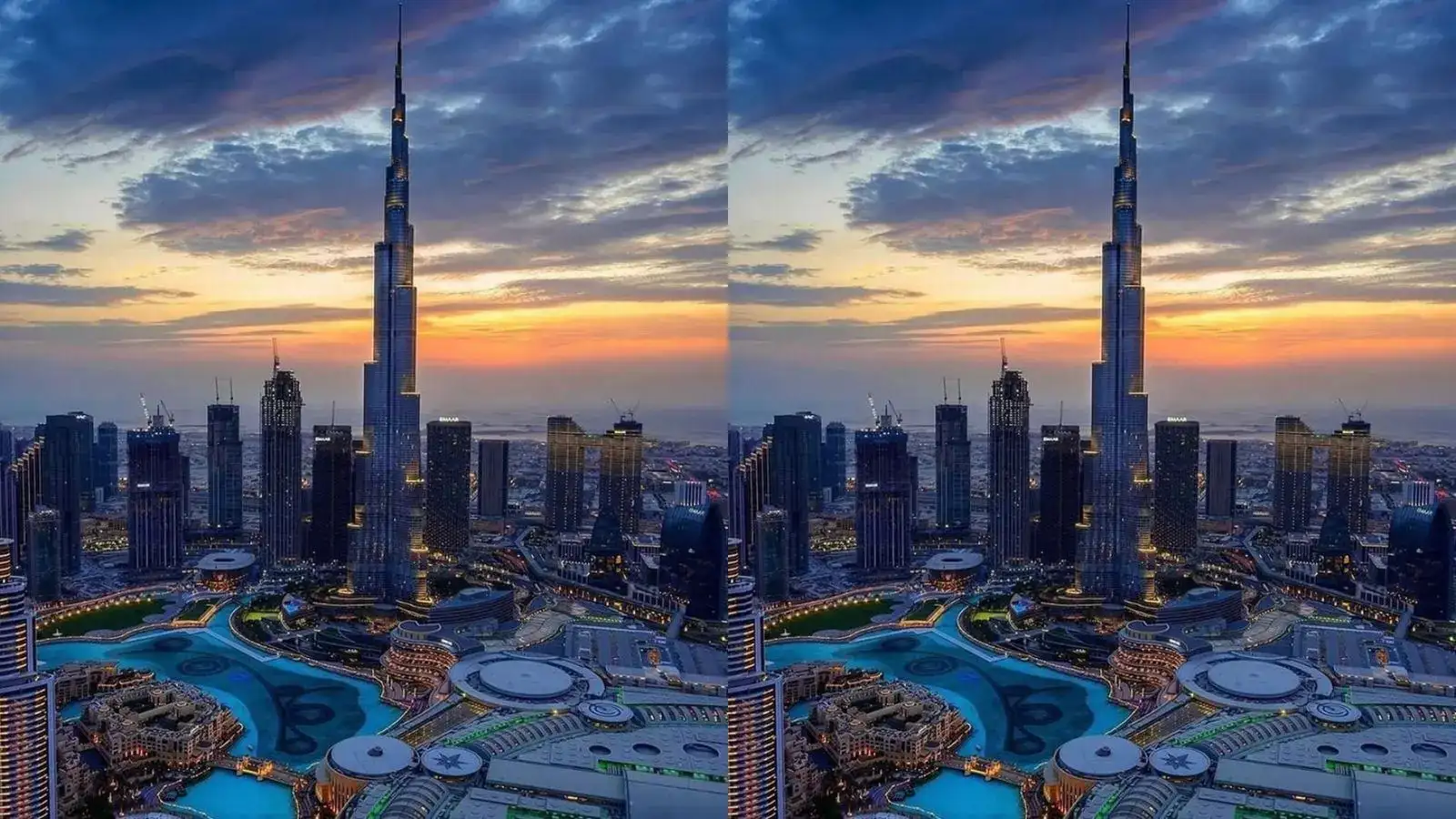
Every year, millions of visitors head to its observation decks on levels 124, 125, and 148 to take in sweeping views of Dubai. But the story behind this architectural marvel is just as fascinating as the view from the top.
The Vision Behind the Tower
The main idea behind building the Burj Khalifa was to create a landmark that would anchor Downtown Dubai and attract global attention. The city wanted a defining structure that would bring tourists, investors, and businesses together in one vibrant district.
At the time, Dubai was looking to reduce its reliance on oil and strengthen other sectors such as tourism, real estate, and finance. The tower was designed to play a key role in that transformation. It was imagined as a magnet for international investment and a symbol of economic diversification.
A Vertical City in the Sky
The Burj Khalifa was planned as more than just a skyscraper. It was conceived as a vertical city that combines residential spaces, corporate offices, hospitality, and entertainment under one roof.
Inside the tower, you will find luxury apartments offering stunning city and sea views. There are also premium office spaces that house global companies. One of the most famous attractions within the building is the Armani Hotel, known for its elegant interiors and high end hospitality.
The observation decks remain among the most visited attractions, offering unmatched panoramic views of the city skyline, desert, and coastline. These decks have turned the building into a major tourist hotspot.
A Statement of Confidence
The construction of the Burj Khalifa was not just about height. It was about sending a message to the world. The project reflected confidence in the future and showcased what bold planning and engineering could achieve.
Backed by strong government support, the tower became the centerpiece of Downtown Dubai. Around it, a lively district developed with shopping malls, luxury residences, restaurants, and entertainment spaces. The skyscraper helped transform the area into a global destination.
Redefining Modern Skylines
Since its completion, the Burj Khalifa has redefined what cities can aspire to build. It stands as a reminder that architecture can shape identity and drive economic growth.
From its luxury living spaces to its world famous observation decks, the tower continues to attract visitors from across continents. More than a building, it represents vision, ambition, and the desire to reach new heights.
The project was designed by the architectural firm Skidmore, Owings and Merrill. Lead architect Adrian Smith, along with structural engineer Bill Baker, played a key role in turning this bold vision into reality. Their challenge was not just about height. It was about strength, safety, and precision.
Engineering Beyond Limits
Designing such a massive tower required deep research and advanced technology. Engineers studied wind patterns, temperature changes at different heights, and the strength of materials. Extensive simulations and testing were carried out to ensure the building could withstand strong winds and harsh weather conditions.
Every detail mattered. The foundation had to be incredibly strong to support the enormous weight above it. The structure was carefully planned to remain stable despite its record breaking height.
Built in Just Over Five Years
Construction moved at an impressive pace. Although the tower feels timeless today, it was completed in October 2009, roughly five and a half years after work began. For a structure of this scale, that timeline was a major achievement.
The work was carried out in phases, with thousands of engineers, technicians, and workers contributing to the project. Each floor was constructed with careful coordination, reflecting teamwork on a massive scale.
The Stunning Glass Exterior
One of the most striking features of the Burj Khalifa is its shimmering exterior. Around 26,000 glass panels were used in the cladding, each weighing about 362 kilograms. More than 300 specialists worked on installing these panels.
The glass façade not only enhances the building’s beauty but also improves energy efficiency. The tower set a world record for the highest installation of an aluminium and glass façade at 512 metres above ground.
The Iconic Spire
At the very top sits the telescopic spire, the crowning feature of the tower. Made from 4,000 tonnes of structural steel, it was assembled from inside the building. The spire is not just decorative. It also houses communication equipment and features powerful xenon white obstruction lights that flash regularly to ensure aircraft safety.
Advanced Systems Inside
Beyond its height and design, the tower is equipped with impressive infrastructure. Its water system supplies nearly 946,000 litres daily. The building contains 57 lifts and 8 escalators, including the world’s tallest service elevator with a capacity of 5,000 kilograms.
Safety was a priority throughout construction. The stairways are reinforced with fire resistant concrete, ensuring high safety standards.
A Story of Teamwork and Determination
The construction of the Burj Khalifa is a story of ambition backed by careful planning and collaboration. It pushed engineering boundaries and demonstrated what is possible when innovation meets determination.
Today, the tower stands not just as the tallest structure on Earth, but as a symbol of perseverance, precision, and global architectural excellence.
Burj Khalifa: How Dubai’s Iconic Tower Transformed the Economy
Since its grand opening in January 2010, the Burj Khalifa has not only redefined skylines but also significantly impacted Dubai’s economy. The construction cost $1.4 billion, and the tower was named in honour of Khalifa bin Zayed Al Nahyan, the former president of the UAE, as a mark of gratitude for funding the project.
Driving Tourism and Revenue
Burj Khalifa quickly became a global magnet, drawing millions of visitors each year. The observation decks alone generate substantial revenue, with annual ticket sales bringing in around $621 million. Tourists from across the world flock to experience the panoramic views from levels 124, 125, and 148, helping Dubai solidify its reputation as a premier tourist destination.
Residential and Real Estate Impact
The building is a vertical city. The residential spaces have contributed $2.18 billion in revenue since 2010, with over 76% of apartments priced above $1 million. Designed by Giorgio Armani, the Armani Hotel occupies floors 1 to 8, while private Armani residences span levels 9 to 108. High-end corporate suites, luxury amenities, and serviced apartments make the tower attractive to investors and expatriates alike.
Business and Corporate Influence
Beyond residences, Burj Khalifa houses corporate offices and business amenities up to level 154. Its presence in Downtown Dubai has helped draw international businesses and investors, creating an economic ripple effect across hospitality, retail, and service sectors.
Culinary and Lifestyle Attractions
Food lovers also benefit from this architectural marvel. Atmosphere, on level 122, is the world’s highest restaurant by ground level. Dining with a view of Dubai’s skyline offers an unmatched experience, blending luxury with breathtaking scenery. The tower also features gyms, spas, and pools, making it a self-contained hub for both residents and visitors.
A Vertical City
True to its original vision, Burj Khalifa is more than a skyscraper. It combines residential, commercial, hospitality, and entertainment spaces into one vertical city. Its record-breaking features tallest building, highest number of stories, highest residential floors, and tallest elevator installation cement its role as both an architectural and economic icon.
By attracting tourists, residents, and businesses, Burj Khalifa continues to fuel Dubai’s growth, proving that visionary design can transform a city’s economic landscape.
Every year, millions of visitors head to its observation decks on levels 124, 125, and 148 to take in sweeping views of Dubai. But the story behind this architectural marvel is just as fascinating as the view from the top.
The Vision Behind the Tower
The main idea behind building the Burj Khalifa was to create a landmark that would anchor Downtown Dubai and attract global attention. The city wanted a defining structure that would bring tourists, investors, and businesses together in one vibrant district.At the time, Dubai was looking to reduce its reliance on oil and strengthen other sectors such as tourism, real estate, and finance. The tower was designed to play a key role in that transformation. It was imagined as a magnet for international investment and a symbol of economic diversification.
A Vertical City in the Sky
The Burj Khalifa was planned as more than just a skyscraper. It was conceived as a vertical city that combines residential spaces, corporate offices, hospitality, and entertainment under one roof.Inside the tower, you will find luxury apartments offering stunning city and sea views. There are also premium office spaces that house global companies. One of the most famous attractions within the building is the Armani Hotel, known for its elegant interiors and high end hospitality.
The observation decks remain among the most visited attractions, offering unmatched panoramic views of the city skyline, desert, and coastline. These decks have turned the building into a major tourist hotspot.
A Statement of Confidence
The construction of the Burj Khalifa was not just about height. It was about sending a message to the world. The project reflected confidence in the future and showcased what bold planning and engineering could achieve. Backed by strong government support, the tower became the centerpiece of Downtown Dubai. Around it, a lively district developed with shopping malls, luxury residences, restaurants, and entertainment spaces. The skyscraper helped transform the area into a global destination.
Redefining Modern Skylines
Since its completion, the Burj Khalifa has redefined what cities can aspire to build. It stands as a reminder that architecture can shape identity and drive economic growth. From its luxury living spaces to its world famous observation decks, the tower continues to attract visitors from across continents. More than a building, it represents vision, ambition, and the desire to reach new heights.
Burj Khalifa: The Remarkable Story of Its Construction
Building the tallest tower in the world was never going to be simple. When construction of the Burj Khalifa began in 2004, the goal was clear. Create a structure that would not only rise higher than any other building, but also stand firm against extreme conditions.The project was designed by the architectural firm Skidmore, Owings and Merrill. Lead architect Adrian Smith, along with structural engineer Bill Baker, played a key role in turning this bold vision into reality. Their challenge was not just about height. It was about strength, safety, and precision.
Engineering Beyond Limits
Designing such a massive tower required deep research and advanced technology. Engineers studied wind patterns, temperature changes at different heights, and the strength of materials. Extensive simulations and testing were carried out to ensure the building could withstand strong winds and harsh weather conditions. Every detail mattered. The foundation had to be incredibly strong to support the enormous weight above it. The structure was carefully planned to remain stable despite its record breaking height.
Built in Just Over Five Years
Construction moved at an impressive pace. Although the tower feels timeless today, it was completed in October 2009, roughly five and a half years after work began. For a structure of this scale, that timeline was a major achievement. The work was carried out in phases, with thousands of engineers, technicians, and workers contributing to the project. Each floor was constructed with careful coordination, reflecting teamwork on a massive scale.
The Stunning Glass Exterior
One of the most striking features of the Burj Khalifa is its shimmering exterior. Around 26,000 glass panels were used in the cladding, each weighing about 362 kilograms. More than 300 specialists worked on installing these panels.The glass façade not only enhances the building’s beauty but also improves energy efficiency. The tower set a world record for the highest installation of an aluminium and glass façade at 512 metres above ground.
The Iconic Spire
At the very top sits the telescopic spire, the crowning feature of the tower. Made from 4,000 tonnes of structural steel, it was assembled from inside the building. The spire is not just decorative. It also houses communication equipment and features powerful xenon white obstruction lights that flash regularly to ensure aircraft safety. Advanced Systems Inside
Beyond its height and design, the tower is equipped with impressive infrastructure. Its water system supplies nearly 946,000 litres daily. The building contains 57 lifts and 8 escalators, including the world’s tallest service elevator with a capacity of 5,000 kilograms. Safety was a priority throughout construction. The stairways are reinforced with fire resistant concrete, ensuring high safety standards.
A Story of Teamwork and Determination
The construction of the Burj Khalifa is a story of ambition backed by careful planning and collaboration. It pushed engineering boundaries and demonstrated what is possible when innovation meets determination.Today, the tower stands not just as the tallest structure on Earth, but as a symbol of perseverance, precision, and global architectural excellence.
Burj Khalifa: How Dubai’s Iconic Tower Transformed the Economy
Since its grand opening in January 2010, the Burj Khalifa has not only redefined skylines but also significantly impacted Dubai’s economy. The construction cost $1.4 billion, and the tower was named in honour of Khalifa bin Zayed Al Nahyan, the former president of the UAE, as a mark of gratitude for funding the project. Driving Tourism and Revenue
Burj Khalifa quickly became a global magnet, drawing millions of visitors each year. The observation decks alone generate substantial revenue, with annual ticket sales bringing in around $621 million. Tourists from across the world flock to experience the panoramic views from levels 124, 125, and 148, helping Dubai solidify its reputation as a premier tourist destination. Residential and Real Estate Impact
The building is a vertical city. The residential spaces have contributed $2.18 billion in revenue since 2010, with over 76% of apartments priced above $1 million. Designed by Giorgio Armani, the Armani Hotel occupies floors 1 to 8, while private Armani residences span levels 9 to 108. High-end corporate suites, luxury amenities, and serviced apartments make the tower attractive to investors and expatriates alike.Business and Corporate Influence
Beyond residences, Burj Khalifa houses corporate offices and business amenities up to level 154. Its presence in Downtown Dubai has helped draw international businesses and investors, creating an economic ripple effect across hospitality, retail, and service sectors. Culinary and Lifestyle Attractions
Food lovers also benefit from this architectural marvel. Atmosphere, on level 122, is the world’s highest restaurant by ground level. Dining with a view of Dubai’s skyline offers an unmatched experience, blending luxury with breathtaking scenery. The tower also features gyms, spas, and pools, making it a self-contained hub for both residents and visitors. A Vertical City
True to its original vision, Burj Khalifa is more than a skyscraper. It combines residential, commercial, hospitality, and entertainment spaces into one vertical city. Its record-breaking features tallest building, highest number of stories, highest residential floors, and tallest elevator installation cement its role as both an architectural and economic icon. By attracting tourists, residents, and businesses, Burj Khalifa continues to fuel Dubai’s growth, proving that visionary design can transform a city’s economic landscape.
Next Story