
Bloodlines And Borders: How Mexico Turned Into A Hub Of Organised Crime

Power, Profit And Politics; Why Mexico Became Ground Zero For Cartel Wars: In a dramatic turn in Mexico’s long battle against organised crime, Nemesio Ruben Oseguera Cervantes, widely known as El Mencho, has died after being wounded during a Mexican military operation . The 59-year-old leader of the Jalisco New Generation Cartel was being transported to Mexico City when he succumbed to his injuries on Sunday. His death marks one of the most significant blows to organised crime in Mexico in recent years, yet it has also unleashed a fresh wave of violence across several states.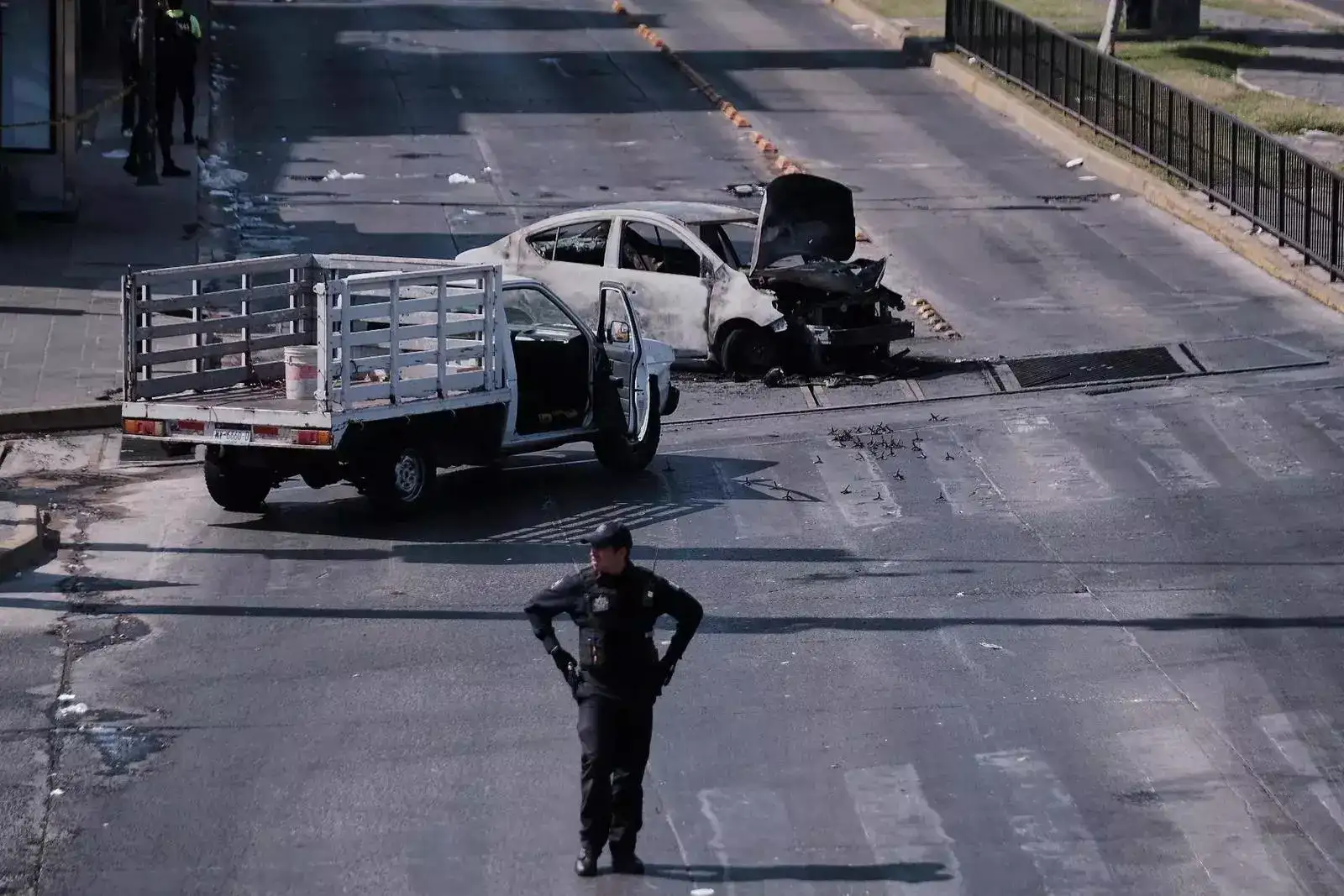
El Mencho death has already triggered widespread unrest, underlining both the strength of the criminal networks he led and the volatility that often follows the removal of a powerful cartel figure.
Authorities in Jalisco, Michoacan and Guanajuato reported at least 14 deaths, including several members of the National Guard. Schools in a number of states suspended classes as a precautionary measure. Videos circulating online showed smoke rising above urban areas and scenes of panic at local airports.
The rapid escalation of Mexico drug violence following the military strike highlights how deeply embedded the Jalisco New Generation Cartel remains within the country’s criminal landscape.
The group has been linked to large scale trafficking of cocaine, as well as the production and distribution of synthetic drugs such as fentanyl and methamphetamines. It has also been known for direct confrontations with security forces, including attacks on military helicopters and the use of explosives launched from drones.
An assassination attempt in the heart of Mexico City in 2020 demonstrated the cartel’s boldness and operational reach. Such acts reinforced its image as one of the most dangerous criminal groups operating in the region.
By the 1980s, Mexico had become a key transit route for cocaine destined for North America. Large trafficking organisations emerged, centralising operations before eventually fragmenting into rival factions. Turf wars and internal splits intensified violence across the country.
In 2006, a major military campaign was launched against drug cartels. Rather than eliminating them, the crackdown led to further fragmentation and the rise of smaller, highly militarised groups. This decentralisation contributed to escalating bloodshed in cities such as Ciudad Juárez and beyond.
High demand for illicit drugs in the United States has fuelled the growth of trafficking networks. Over time, corruption, economic inequality and limited opportunities for young people have compounded the problem.
Access to high powered firearms has further strengthened criminal groups, making confrontations with state forces more lethal. These structural factors have contributed to a cycle of violence that successive governments have struggled to contain.
However, the immediate wave of retaliation underscores the complexity of dismantling entrenched criminal networks. The killing of a top leader does not automatically dismantle the broader organisation. Instead, it can trigger internal power struggles or violent displays intended to assert control.
As Mexico confronts this latest chapter in its long struggle with organised crime, the coming weeks will reveal whether the removal of one of its most notorious figures weakens the cartel’s grip or leads to further instability. What remains clear is that the fight against organised crime in Mexico is far from over, and the repercussions of this high profile operation will be felt well beyond Jalisco.
El Mencho death has already triggered widespread unrest, underlining both the strength of the criminal networks he led and the volatility that often follows the removal of a powerful cartel figure.
Immediate Fallout Across Mexico
Within hours of confirmation of his death, violence erupted in multiple regions. Highways were blocked, vehicles were set ablaze and flight operations were disrupted in some areas. In Guadalajara, the capital of Jalisco state, streets fell eerily silent as residents stayed indoors amid fears of reprisals.Authorities in Jalisco, Michoacan and Guanajuato reported at least 14 deaths, including several members of the National Guard. Schools in a number of states suspended classes as a precautionary measure. Videos circulating online showed smoke rising above urban areas and scenes of panic at local airports.
The rapid escalation of Mexico drug violence following the military strike highlights how deeply embedded the Jalisco New Generation Cartel remains within the country’s criminal landscape.
Rise Of A Powerful Cartel
The Jalisco New Generation Cartel, formed around 2009, quickly became one of the most powerful and fastest growing criminal organisations in the country. Under El Mencho’s leadership, it developed a reputation for aggressive tactics and sophisticated weaponry.The group has been linked to large scale trafficking of cocaine, as well as the production and distribution of synthetic drugs such as fentanyl and methamphetamines. It has also been known for direct confrontations with security forces, including attacks on military helicopters and the use of explosives launched from drones.
An assassination attempt in the heart of Mexico City in 2020 demonstrated the cartel’s boldness and operational reach. Such acts reinforced its image as one of the most dangerous criminal groups operating in the region.
A Long History Of Cartel Violence
To understand the scale of the current crisis, it is important to look at the broader cartel history in Mexico . Organised smuggling networks date back to the early 20th century, when contraband moved across a porous border during periods of political upheaval and prohibition in the United States.You may also like
- Air India cancels New York, Newark flights on February 24 due to heavy snowfall
 Tamil Nadu assembly polls: MMK seeks 5 seats in first round of seat-sharing talks with DMK
 Bengal man posing as cop to rob passengers on trains finally arrested
- Bengal SIR: Judicial adjudication of 'logical discrepancy' cases begins today
- Rashmika Mandanna-Vijay Deverakonda wedding venue: 30 km from Udaipur, luxury hotel, hills. Check what is the room rent
By the 1980s, Mexico had become a key transit route for cocaine destined for North America. Large trafficking organisations emerged, centralising operations before eventually fragmenting into rival factions. Turf wars and internal splits intensified violence across the country.
In 2006, a major military campaign was launched against drug cartels. Rather than eliminating them, the crackdown led to further fragmentation and the rise of smaller, highly militarised groups. This decentralisation contributed to escalating bloodshed in cities such as Ciudad Juárez and beyond.
Why Mexico Became A Strategic Hub
Mexico’s geography has played a decisive role in shaping organised crime in Mexico. With a border stretching over 3,000 kilometres with the United States and extensive coastlines along both the Pacific Ocean and the Gulf of Mexico, the country sits at a strategic crossroads between production zones in South America and consumer markets in North America.High demand for illicit drugs in the United States has fuelled the growth of trafficking networks. Over time, corruption, economic inequality and limited opportunities for young people have compounded the problem.
Access to high powered firearms has further strengthened criminal groups, making confrontations with state forces more lethal. These structural factors have contributed to a cycle of violence that successive governments have struggled to contain.
A Critical Moment In The Fight Against Organised Crime
The Mexican military operation that led to El Mencho's death represents a significant tactical success for authorities. Removing the head of such a powerful cartel disrupts leadership structures and sends a clear signal about the state’s resolve.However, the immediate wave of retaliation underscores the complexity of dismantling entrenched criminal networks. The killing of a top leader does not automatically dismantle the broader organisation. Instead, it can trigger internal power struggles or violent displays intended to assert control.
As Mexico confronts this latest chapter in its long struggle with organised crime, the coming weeks will reveal whether the removal of one of its most notorious figures weakens the cartel’s grip or leads to further instability. What remains clear is that the fight against organised crime in Mexico is far from over, and the repercussions of this high profile operation will be felt well beyond Jalisco.






More from our partners


Loving Newspoint? Download the app now
