
Gold and Silver Plunge in Historic Sell-Off, Worst Day Since 1980

Gold and silver markets experienced a dramatic crash on January 30, 2026, with both metals suffering their most severe single-day losses in decades. Silver futures dropped sharply, falling about 31.4%, marking the worst one-day decline for silver since March 1980, while gold futures slid roughly 11.4% in a session filled with extreme volatility. These sharp declines surprised investors and rattled financial markets worldwide.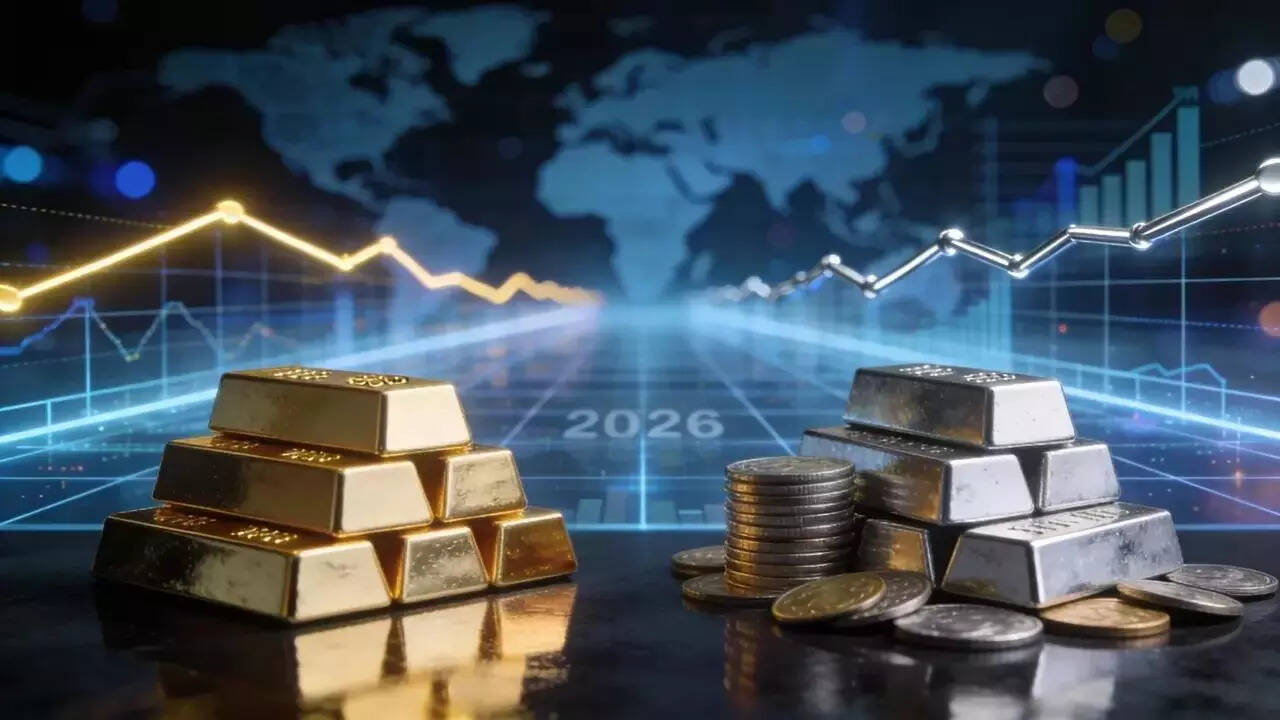
This plunge in gold and silver prices followed a prolonged rally in 2025 that pushed both metals to record highs, driven by inflation concerns, geopolitical tensions, and other market dynamics. The reversal wiped out gains and sparked widespread selling across bullion markets.
A stronger dollar makes dollar-priced commodities like gold and silver more expensive for overseas buyers, which can pressure prices downward. This shift in market expectations about future monetary policy played a major role in the precious metals rout.
Gold also posted significant declines. After hitting historic peaks just days earlier, gold prices fell below $5,000 per ounce, marking one of the steepest single-day drops in decades. Prices closed the session well below recent highs as profit-taking and rapid selling accelerated.
Investors who had piled into metals to hedge against inflation and currency weakness found themselves facing sharp losses as the broader market repriced risks and expectations.
Despite the sharp decline, precious metals still showed strong performance over the month, with both gold and silver ending January with gains compared to their levels earlier in the month. That suggests the recent sell-off may be part of a larger recalibration rather than a sustained long-term decline.
Market watchers now will be looking to see whether gold and silver stabilize in the coming weeks or if further fluctuations are ahead as investors digest the implications of the Fed chair nomination and its potential impact on monetary policy.
This plunge in gold and silver prices followed a prolonged rally in 2025 that pushed both metals to record highs, driven by inflation concerns, geopolitical tensions, and other market dynamics. The reversal wiped out gains and sparked widespread selling across bullion markets.
What Triggered the Precious Metals Crash
The sell-off in precious metals prices was triggered by reports that U.S. President Donald Trump planned to nominate Kevin Warsh as the next Federal Reserve chair. Warsh is widely seen as a monetary policymaker focused on inflation control and maintaining the Fed’s independence. This nomination eased investor fears about potential aggressive interest-rate cuts and reduced demand for safe-haven assets like gold and silver, contributing to a surge in the U.S. dollar.A stronger dollar makes dollar-priced commodities like gold and silver more expensive for overseas buyers, which can pressure prices downward. This shift in market expectations about future monetary policy played a major role in the precious metals rout.
How Prices Moved During the Sell-Off
Silver experienced especially steep losses in the precious metals crash, as futures settled at around $78.53 per ounce, down sharply from record highs earlier in the week. This plunge marked one of the most volatile moves in silver’s history, with prices briefly dipping even lower during intraday trading.You may also like
- Rouse Avenue Court reserves order on ED's plea for confiscation of arms dealer Sanjay Bhandari's properties
- February 2026 Ekadashi List: Dates, timings and spiritual significance
- Jason Derulo: I'm a different human being than I was ten years ago
- Quote of the day by NBA legend Shaquille O'Neal: 'Everything happens for a reason. I prepare for it...'
- Doctor couple killed in tragic road accident near Vaishali toll plaza in Bihar
Gold also posted significant declines. After hitting historic peaks just days earlier, gold prices fell below $5,000 per ounce, marking one of the steepest single-day drops in decades. Prices closed the session well below recent highs as profit-taking and rapid selling accelerated.
Impact Beyond Bullion Prices
The fall in precious metals prices did not stop with gold and silver. Other related markets, such as mining stocks and exchange-traded funds (ETFs) linked to these metals, also felt the impact. Record outflows from silver-linked ETFs highlighted how leveraged and speculative positions were caught up in the rapid downturn.Investors who had piled into metals to hedge against inflation and currency weakness found themselves facing sharp losses as the broader market repriced risks and expectations.
Market Reaction and Analyst Views
Some analysts say this dramatic drop in gold and silver market prices may represent a natural correction after an extended rally. Historically, such sell-offs can occur when traders rapidly unwind positions and lock in profits after strong gains. Others caution that continued volatility could persist as investors reassess central bank policy expectations and broader economic signals.Despite the sharp decline, precious metals still showed strong performance over the month, with both gold and silver ending January with gains compared to their levels earlier in the month. That suggests the recent sell-off may be part of a larger recalibration rather than a sustained long-term decline.
What This Means for Investors
For people tracking precious metals investing or holding bullion or bullion-linked assets, this volatile event serves as a reminder of how quickly markets can shift. Dramatic moves in gold and silver prices highlight the role of macroeconomic news, central bank policy expectations, and currency dynamics in shaping investor sentiment.Market watchers now will be looking to see whether gold and silver stabilize in the coming weeks or if further fluctuations are ahead as investors digest the implications of the Fed chair nomination and its potential impact on monetary policy.






More from our partners


Loving Newspoint? Download the app now
