
How A Lone Nihilist Penguin Clip From A 2007 Documentary Became Viral Again In 2026

A lone penguin , wandering away from its colony and heading toward the snow-covered mountains of Antarctica, has unexpectedly become one of the most powerful images on the internet. The short clip showing the bird marching alone into the icy wilderness has racked up millions of views, been reshared across platforms, and sparked an emotional response that goes far beyond wildlife curiosity.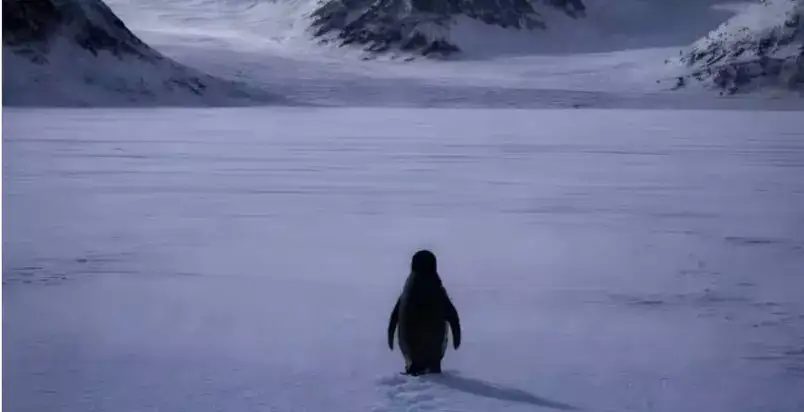
Online, the penguin has been hailed as a symbol of resilience, rebellion, and quiet courage. Many viewers see the bird as someone choosing the “road not taken,” walking away from routine, expectations, and safety. Memes celebrating the penguin’s defiance have flooded timelines, with users comparing its solitary march to people stuck in exhausting 9-to-5 jobs or emotionally draining environments.
The phenomenon has grown so large that it crossed into political and pop culture conversations. US President Donald Trump shared an AI-generated image featuring the penguin, adding fuel to online chatter amid his remarks about Greenland. The image only intensified the meme storm, pushing the lonely bird deeper into internet lore.
Even artificial intelligence joined the discussion. On the official ChatGPT Tricks handle, the bot explained why the clip resonated so strongly, stating that it was never really about wildlife.
“It's about recognition. People didn't share the clip because it was strange. They shared it because the words said out loud what a lot of people have been thinking in silence,” read the caption.
Despite its sudden popularity, the clip is far from new. It comes from Encounters at the End of the World, a 2007 documentary by German filmmaker Werner Herzog. The film captured an extraordinary and unsettling moment involving an Adélie penguin that broke away from its colony.
Instead of heading toward the sea where penguins find food and ensure survival the bird walked inland toward the frozen mountains. Penguins are social animals that depend heavily on their colonies, making the decision to wander alone deeply unusual. Herzog famously described the penguin’s journey as a “death march,” noting that survival was extremely unlikely.
Marine biologist Dr David Ainley, who appeared in the documentary, explained that even if the penguin were physically returned to its colony, it would simply turn around and continue walking away. According to Herzog and experts involved in the film, the penguin marched nearly 70 kilometres alone before dying somewhere in the vast Antarctic interior.
Over time, social media users have added their own interpretations. Some speculate that the penguin may have been heartbroken or emotionally distressed, suggesting it was grieving the loss of a mate. While there is no scientific evidence to support this, the idea has fueled the emotional narratives surrounding the bird.
One widely shared image shows the penguin against Antarctica’s icy mountains with the caption, “I am a bird, yet I can't fly, so I reached for the mountains hoping to touch the sky.”
Another popular post contrasts two images a bustling penguin colony and the lone walker with the caption, “They lived, he survived.”
According to ChatGPT, the reason the penguin resonates so deeply is emotional honesty. The AI explained that “everyone recognises the moment when explanation feels heavier than silence, when continuing feels truer than optimising, when you'd rather face the cold certainty of nothing than the warm lie of purpose.”
It further added, “The penguin walks because staying would require pretending, and it's done pretending.”
As the clip continues to circulate, users are resharing it alongside AI-generated images and messages urging others to “Be The Penguin.” What began as a fleeting moment in a 19-year-old documentary has transformed into a modern symbol of walking away from noise, pressure, and toxic surroundings.
The penguin never knew its lonely march would one day inspire millions. Yet today, its silent journey stands as a reminder that sometimes, choosing solitude over comfort and truth over routine can feel like the bravest act of all.
Online, the penguin has been hailed as a symbol of resilience, rebellion, and quiet courage. Many viewers see the bird as someone choosing the “road not taken,” walking away from routine, expectations, and safety. Memes celebrating the penguin’s defiance have flooded timelines, with users comparing its solitary march to people stuck in exhausting 9-to-5 jobs or emotionally draining environments.
The phenomenon has grown so large that it crossed into political and pop culture conversations. US President Donald Trump shared an AI-generated image featuring the penguin, adding fuel to online chatter amid his remarks about Greenland. The image only intensified the meme storm, pushing the lonely bird deeper into internet lore.
Even artificial intelligence joined the discussion. On the official ChatGPT Tricks handle, the bot explained why the clip resonated so strongly, stating that it was never really about wildlife.
“It's about recognition. People didn't share the clip because it was strange. They shared it because the words said out loud what a lot of people have been thinking in silence,” read the caption.
The Original Story Behind the ‘Nihilist Penguin’
Despite its sudden popularity, the clip is far from new. It comes from Encounters at the End of the World, a 2007 documentary by German filmmaker Werner Herzog. The film captured an extraordinary and unsettling moment involving an Adélie penguin that broke away from its colony.
Instead of heading toward the sea where penguins find food and ensure survival the bird walked inland toward the frozen mountains. Penguins are social animals that depend heavily on their colonies, making the decision to wander alone deeply unusual. Herzog famously described the penguin’s journey as a “death march,” noting that survival was extremely unlikely.
Marine biologist Dr David Ainley, who appeared in the documentary, explained that even if the penguin were physically returned to its colony, it would simply turn around and continue walking away. According to Herzog and experts involved in the film, the penguin marched nearly 70 kilometres alone before dying somewhere in the vast Antarctic interior.
Over time, social media users have added their own interpretations. Some speculate that the penguin may have been heartbroken or emotionally distressed, suggesting it was grieving the loss of a mate. While there is no scientific evidence to support this, the idea has fueled the emotional narratives surrounding the bird.
Why The ‘Nihilist Penguin’ Is Going Viral Now
The penguin’s resurgence in early 2026 coincides with a growing sense of burnout, emotional fatigue, and disillusionment among people worldwide. Many viewers see themselves reflected in the penguin’s quiet, determined march into the unknown.One widely shared image shows the penguin against Antarctica’s icy mountains with the caption, “I am a bird, yet I can't fly, so I reached for the mountains hoping to touch the sky.”
Another popular post contrasts two images a bustling penguin colony and the lone walker with the caption, “They lived, he survived.”
According to ChatGPT, the reason the penguin resonates so deeply is emotional honesty. The AI explained that “everyone recognises the moment when explanation feels heavier than silence, when continuing feels truer than optimising, when you'd rather face the cold certainty of nothing than the warm lie of purpose.”
It further added, “The penguin walks because staying would require pretending, and it's done pretending.”
As the clip continues to circulate, users are resharing it alongside AI-generated images and messages urging others to “Be The Penguin.” What began as a fleeting moment in a 19-year-old documentary has transformed into a modern symbol of walking away from noise, pressure, and toxic surroundings.
The penguin never knew its lonely march would one day inspire millions. Yet today, its silent journey stands as a reminder that sometimes, choosing solitude over comfort and truth over routine can feel like the bravest act of all.
Next Story