
How Cheetahs Became Nature’s Speed Champions Through Evolutionary Design And Survival Skills

Why Cheetahs Are The Fastest Land Animals: Cheetahs are widely recognised as the fastest land animals on Earth due to their exceptional speed, body structure and evolutionary adaptations. They can reach speeds of up to approximately 100 to 112 kilometres per hour in short bursts during hunting chases. Unlike endurance runners, cheetahs rely on explosive acceleration rather than sustained speed. Their remarkable ability to sprint rapidly helps them capture prey in open grassland habitats where quick chases are necessary for survival. Understanding why cheetahs are fast requires examining their anatomy, muscle structure, respiratory system and hunting behaviour. These adaptations make cheetahs one of the most specialised predators in the animal kingdom.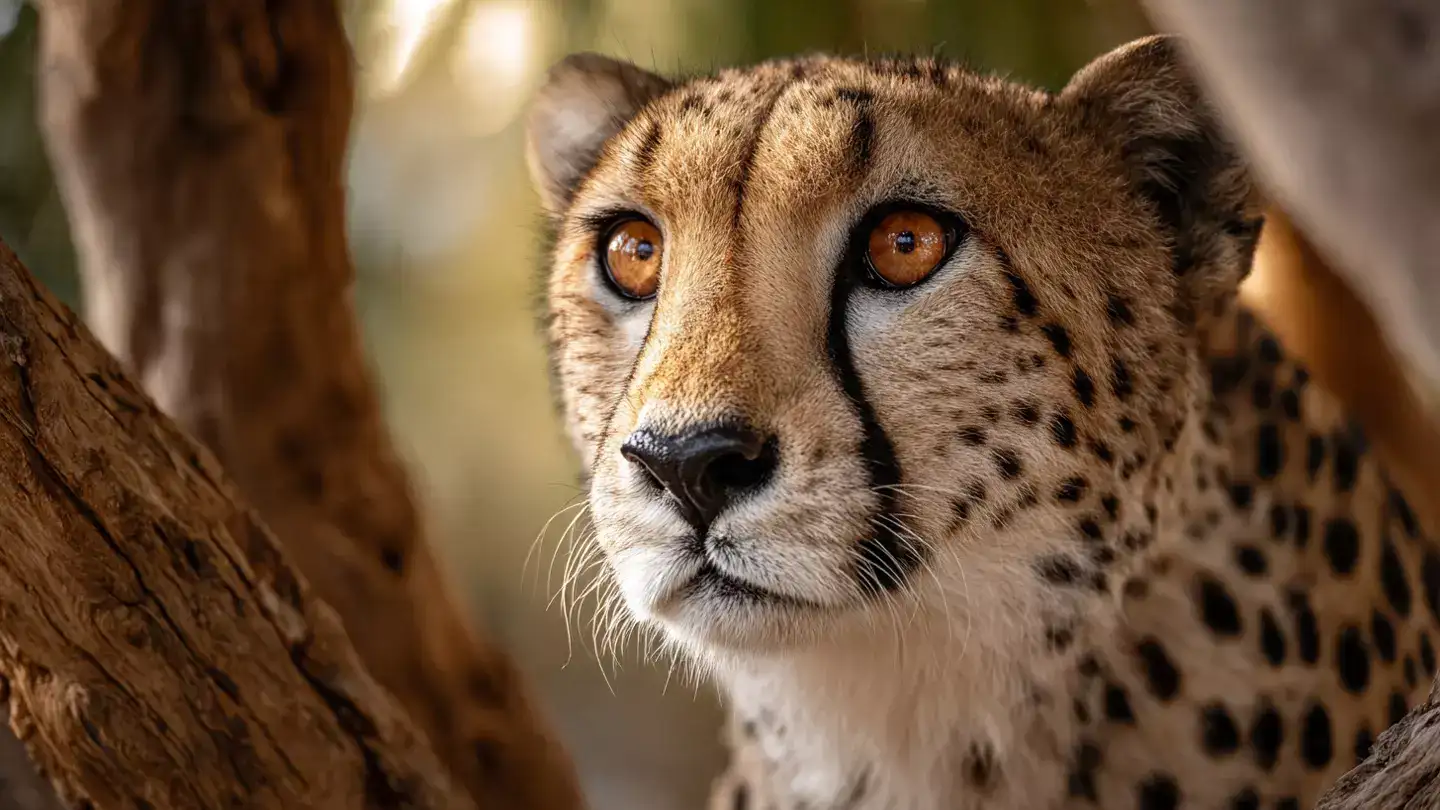
Their long legs and flexible spine allow greater stride length. Each stride covers a larger distance compared to most other mammals. This helps cheetahs gain speed rapidly during the initial phase of a chase. Evolutionary pressure in open savannah environments encouraged the development of high speed hunting strategies rather than stealth or strength based hunting methods.
Their semi retractable claws function like running spikes in human athletic footwear. These claws provide extra grip on the ground during high speed turns and rapid acceleration. The digital pads on their feet act as shock absorbers, helping reduce impact stress during fast movement. These physical features collectively contribute to why cheetahs are the fastest land animals.
Their long tail acts as a balance stabiliser. During high speed turns, the tail functions like a rudder, helping cheetahs maintain direction while chasing agile prey. Without this tail balance system, high speed hunting would be extremely difficult.
Their heart and circulatory system work at extremely high metabolic rates during sprinting. This helps supply oxygen rich blood to working muscles. However, this high energy output means cheetahs overheat quickly. After a chase, they must rest to regulate body temperature and recover energy levels.
The chase usually ends within seconds because cheetahs cannot maintain maximum speed for long durations. If the chase continues for too long, cheetahs risk overheating and exhausting their energy reserves. This hunting behaviour is a survival adaptation suited to open grassland ecosystems.
Their vision is more important than smell during hunting. They rely on visual tracking to judge distance, speed and movement direction of prey animals before initiating a chase.
Understanding why cheetahs are the fastest land animals highlights the importance of evolutionary biology and wildlife conservation. Their specialised body structure, hunting strategy and physiological adaptations make them one of nature’s most remarkable predators.
Image Courtesy: Meta AI
Evolutionary Adaptations Behind Cheetah Speed
Cheetahs evolved to become specialised sprinters rather than endurance hunters. Their body structure is lighter compared to other big cats, which helps reduce weight and improve acceleration. Evolution favoured speed over strength because cheetahs hunt small to medium sized prey such as antelopes.Their long legs and flexible spine allow greater stride length. Each stride covers a larger distance compared to most other mammals. This helps cheetahs gain speed rapidly during the initial phase of a chase. Evolutionary pressure in open savannah environments encouraged the development of high speed hunting strategies rather than stealth or strength based hunting methods.
Body Structure And Aerodynamic Design
Cheetahs have a slim, lightweight body that reduces air resistance during running. Their chest cavity is deep but narrow, which supports strong lung capacity without adding unnecessary body mass.Their semi retractable claws function like running spikes in human athletic footwear. These claws provide extra grip on the ground during high speed turns and rapid acceleration. The digital pads on their feet act as shock absorbers, helping reduce impact stress during fast movement. These physical features collectively contribute to why cheetahs are the fastest land animals.
Muscular System And Energy Power
Cheetah muscles are specially designed for fast twitch power generation. Fast twitch muscle fibres allow quick bursts of energy but fatigue rapidly. This is why cheetahs can sprint extremely fast but only for short distances, usually around 200 to 300 metres during hunts.Their long tail acts as a balance stabiliser. During high speed turns, the tail functions like a rudder, helping cheetahs maintain direction while chasing agile prey. Without this tail balance system, high speed hunting would be extremely difficult.
Respiratory And Circulatory Efficiency
Cheetahs have highly efficient respiratory systems that support rapid oxygen intake during sprinting. Their large nostrils allow increased airflow, while enlarged lungs help supply oxygen to muscles quickly.Their heart and circulatory system work at extremely high metabolic rates during sprinting. This helps supply oxygen rich blood to working muscles. However, this high energy output means cheetahs overheat quickly. After a chase, they must rest to regulate body temperature and recover energy levels.
You may also like
- "No damage to radiological nuclear material in Iran," IAEA says
- 'Very alarming': Laura Loomer says she feels 'unsafe' seeing Muslim workers at US airport amid Iran war
- Middle-East conflict escalates as Iran fires missile toward NATO-member Turkey
- Iranian diplomats in Sri Lanka demand explanation on sinking ship
- Nepal polling centres resplendent, abuzz with preparations for election days
Hunting Behaviour And Survival Strategy
Cheetahs rely on speed rather than stealth or strength when hunting. They typically hunt during daylight hours to avoid competition with larger predators such as lions and hyenas. Their hunting strategy involves stalking prey closely before launching a sudden high speed chase.The chase usually ends within seconds because cheetahs cannot maintain maximum speed for long durations. If the chase continues for too long, cheetahs risk overheating and exhausting their energy reserves. This hunting behaviour is a survival adaptation suited to open grassland ecosystems.
Vision And Prey Tracking Ability
Cheetahs have excellent eyesight that helps them spot prey from long distances. Their black tear markings under the eyes reduce sunlight glare and improve visual focus. This adaptation helps them track fast moving animals under bright sunlight conditions.Their vision is more important than smell during hunting. They rely on visual tracking to judge distance, speed and movement direction of prey animals before initiating a chase.
Environmental Importance And Conservation
Cheetahs play an important role in maintaining ecological balance by controlling prey populations. However, cheetah populations are declining due to habitat loss, human wildlife conflict and reduction of natural prey. Conservation programs are important for protecting cheetah habitats and ensuring species survival.Understanding why cheetahs are the fastest land animals highlights the importance of evolutionary biology and wildlife conservation. Their specialised body structure, hunting strategy and physiological adaptations make them one of nature’s most remarkable predators.
Image Courtesy: Meta AI






More from our partners


Loving Newspoint? Download the app now
