
How Satellites and Space Mirrors May Impact Human Sleep and Nature

The idea of lighting up the night sky from space may sound innovative, but scientists are raising serious concerns about its impact on life on Earth. New proposals involving reflective satellites and a sharp rise in spacecraft launches are now being closely examined for their possible effects on human health and the environment.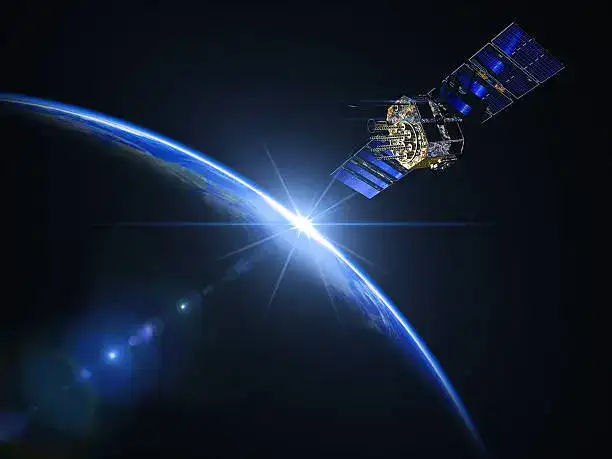
Experts believe these developments could interfere with one of the most fundamental systems that support life, the natural cycle of day and night.
While these ideas promise technological progress, researchers warn that they may also disturb the delicate balance of natural light and darkness.
A letter signed by the presidents of the World Sleep Society and several other bodies highlighted this concern, stating: "The alternation of light and dark is one of the oldest organising principles of life on Earth."
Plants also rely on night-time cycles for growth and seasonal changes. Professor Charalambos Kyriacou of the University of Leicester warned about the broader impact, saying: "This could have global implications for things like food security. Plants need the night. You cannot just get rid of it."
In marine ecosystems, even small changes in light can affect phytoplankton, which form the base of the ocean food chain. Any disruption here could ripple through entire ecosystems.
He also warned that reflective satellite systems could create glare or sudden flashes of light if something goes wrong, posing risks for both humans and wildlife.
As technology continues to expand beyond Earth, it is becoming clear that its effects do not stay in space. The balance between progress and preservation is more important than ever. Protecting the natural rhythm of night and day may be essential not only for better sleep but also for the survival of ecosystems across the planet.
Experts believe these developments could interfere with one of the most fundamental systems that support life, the natural cycle of day and night.
What Are These New Proposals?
Two major plans are currently under consideration. One involves launching mirror-equipped satellites that can reflect sunlight onto Earth during the night. Another proposal focuses on sending a massive number of satellites into low Earth orbit to support advanced computing systems.While these ideas promise technological progress, researchers warn that they may also disturb the delicate balance of natural light and darkness.
Why Darkness Is Essential
The natural rhythm of light and dark plays a key role in regulating biological clocks in humans, animals, and plants. Disrupting this cycle can affect sleep patterns, mood, and overall health.You may also like
- US-Iran talks pause without breakthrough: 5 reasons why negotiations failed in Pakistan
- 'To preserve security & unity of people': Lebanon PM postpones US visit amid Israeli strikes
- If China arms Iran, it can have 'big problems': Trump
- MoS Kirti Vardhan Singh's visit to Shwedagon Pagoda highlights spiritual connection between India and Myanmar
- Trump backs 'final offer' after Iran talks fail
A letter signed by the presidents of the World Sleep Society and several other bodies highlighted this concern, stating: "The alternation of light and dark is one of the oldest organising principles of life on Earth."
Effects on Wildlife and Ecosystems
Changes in night-time lighting can have serious consequences for wildlife. Nocturnal animals depend on darkness for hunting, navigation, and reproduction. Increased brightness can confuse their behaviour and disrupt migration patterns.Plants also rely on night-time cycles for growth and seasonal changes. Professor Charalambos Kyriacou of the University of Leicester warned about the broader impact, saying: "This could have global implications for things like food security. Plants need the night. You cannot just get rid of it."
In marine ecosystems, even small changes in light can affect phytoplankton, which form the base of the ocean food chain. Any disruption here could ripple through entire ecosystems.
Rising Satellite Numbers and Risks
The number of satellites orbiting Earth has already increased significantly, and this has made the night sky brighter. Ruskin Hartley of DarkSky International pointed out that existing satellites have already increased night sky brightness by roughly ten per cent, with levels expected to rise further in the coming years.He also warned that reflective satellite systems could create glare or sudden flashes of light if something goes wrong, posing risks for both humans and wildlife.
Scientists Call for Caution
With growing concerns, around 2,500 scientists from more than 30 countries have urged authorities to carry out a full environmental review before moving forward with these projects. They believe that while innovation is important, it should not come at the cost of disrupting natural systems that have existed for centuries.As technology continues to expand beyond Earth, it is becoming clear that its effects do not stay in space. The balance between progress and preservation is more important than ever. Protecting the natural rhythm of night and day may be essential not only for better sleep but also for the survival of ecosystems across the planet.






More from our partners


Loving Newspoint? Download the app now
