
Indonesia’s Historic Clove Farms Face Growing Threat from Climate Change

Once, colonial powers tried to eradicate the prized cloves of Indonesia's eastern island of Ternate to protect their monopoly. But today, farmers face a much more insidious threat: climate change .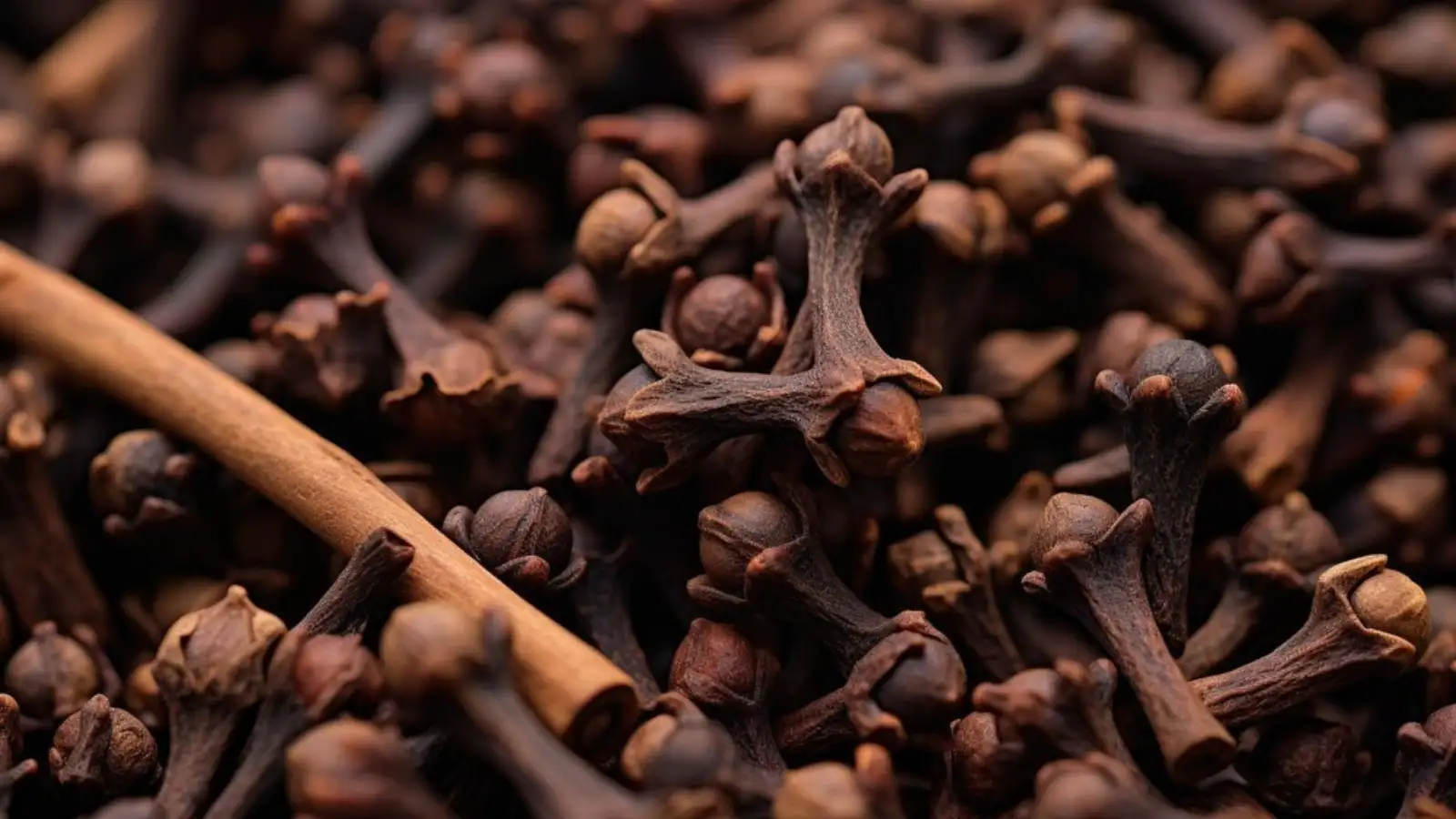
"Today... rainfall is high. It's okay for planting, but it's uncertain for harvesting. It's often unpredictable," says 61-year-old farmer Jauhar Mahmud.
Nestled in the fertile foothills of Mount Gamalama, Jauhar shows off his prized clove trees, once reliable producers of valuable spice. The buds of the clove flowers, which are vital for perfumes, medicine, cigarettes, and flavorings, can only develop their distinct aroma and flavor in very specific temperature and humidity ranges.
In a good year, Jauhar’s 150 trees yield up to 30 kilograms of cloves. However, increasing unpredictability in the weather has made prices fluctuate significantly, with farmers now seeing prices between $5.30 and $7.40 per kilogram. The change in weather patterns is making life difficult for farmers.
The Food and Agriculture Organization (FAO) has tracked clove production in Indonesia, noting significant fluctuations over the past two decades. Data from 2023 reveals a yield nearly 25% lower than in 2010, highlighting the growing uncertainty.
"We're actually losing money. Cloves do not bear fruit every year. They depend on the season," said Jauhar, who represents 36 farmers on Ternate. Many are now seeking other sources of income as the yields that typically come in August and September are dwindling.
To make ends meet, Jauhar has started selling bamboo and spice-infused drinks, while other farmers are even considering abandoning clove farming altogether. "Farmers are now reluctant to harvest because of the high cost and minimal return," he explained.
Indonesia produces more than two-thirds of the world’s cloves, although the majority is consumed domestically. However, since 2020, it has been surpassed by Madagascar in clove exports, according to World Bank data.
Rising Rainfall and Unpredictable Weather
For centuries, Ternate's farmers faced colonial powers who attempted to wipe out their clove production, but the island’s favorable climate kept the crop alive. However, modern-day challenges have made the island’s climate increasingly unstable.
Clove trees are particularly sensitive to weather patterns, taking over a decade to mature and requiring precise conditions for a successful harvest. But climate change, driven largely by the burning of fossil fuels, has altered global weather patterns.
The island has grown drier, but when it rains, it does so in intense, damaging bursts. A warmer atmosphere holds more moisture, leading to erratic rainfall that can be harmful to crops. Farmers are noticing the difference.
Lakina, a 52-year-old farmer with 10 trees, reflects on how her yields have dropped. "In the past, I could get five to six sacks in one harvest," she said. "Now, I fill only two or three sacks."
Imba, another farmer with 70 trees, says it now takes five days to dry cloves due to excess rainfall, up from three and a half days. These changes are having a significant impact on the clove trade.
Research from the University of Pattimura in 2023 confirmed what the farmers have long suspected: clove yields are falling. On Haruku island, just south of Ternate, rainfall has increased by 15% in recent decades, along with more extreme weather events that harm crops.
Vulnerable Communities Face Greater Risks
Ternate’s coastal areas and small islands are particularly vulnerable to the effects of climate change, according to Arie Rompas, Greenpeace’s forest campaign leader. He points out that "communities living in coastal areas and small islands are especially vulnerable," with crops like cloves and nutmeg suffering from increased heat and humidity, and post-harvest challenges.
At a spice sorting shop, the strong scent of cloves fills the air as workers prepare them for export. But climate change has meant lower-quality crops and reduced prices for farmers. Supplier Rumen The notes that "if it's too hot, the crop is no good. Too much rain, no crop." In fact, prices dropped by nearly half, from 150,000 rupiah per kilogram to 80,000, before slowly rising again as supply dwindled.
"We're producing probably 30 to 40 percent less than in recent years," says Rumen, underlining the dramatic impact of changing weather patterns on the industry.
A Heritage Under Threat
Despite the challenges, Jauhar and other farmers continue to care for their clove trees, driven by deep-rooted pride and history. "Our parents maintained cloves in the world’s oldest region for cloves," says Jauhar. "They planted... to bring pride to future generations."
Jauhar calls on spice-importing countries to consider the global climate issues that threaten this vital crop's future. Even as yields fall and weather patterns become more erratic, the farmers of Ternate remain determined to preserve a tradition that has endured for centuries.
"Today... rainfall is high. It's okay for planting, but it's uncertain for harvesting. It's often unpredictable," says 61-year-old farmer Jauhar Mahmud.
Nestled in the fertile foothills of Mount Gamalama, Jauhar shows off his prized clove trees, once reliable producers of valuable spice. The buds of the clove flowers, which are vital for perfumes, medicine, cigarettes, and flavorings, can only develop their distinct aroma and flavor in very specific temperature and humidity ranges.
In a good year, Jauhar’s 150 trees yield up to 30 kilograms of cloves. However, increasing unpredictability in the weather has made prices fluctuate significantly, with farmers now seeing prices between $5.30 and $7.40 per kilogram. The change in weather patterns is making life difficult for farmers.
The Food and Agriculture Organization (FAO) has tracked clove production in Indonesia, noting significant fluctuations over the past two decades. Data from 2023 reveals a yield nearly 25% lower than in 2010, highlighting the growing uncertainty.
"We're actually losing money. Cloves do not bear fruit every year. They depend on the season," said Jauhar, who represents 36 farmers on Ternate. Many are now seeking other sources of income as the yields that typically come in August and September are dwindling.
To make ends meet, Jauhar has started selling bamboo and spice-infused drinks, while other farmers are even considering abandoning clove farming altogether. "Farmers are now reluctant to harvest because of the high cost and minimal return," he explained.
Indonesia produces more than two-thirds of the world’s cloves, although the majority is consumed domestically. However, since 2020, it has been surpassed by Madagascar in clove exports, according to World Bank data.
Rising Rainfall and Unpredictable Weather
For centuries, Ternate's farmers faced colonial powers who attempted to wipe out their clove production, but the island’s favorable climate kept the crop alive. However, modern-day challenges have made the island’s climate increasingly unstable.Clove trees are particularly sensitive to weather patterns, taking over a decade to mature and requiring precise conditions for a successful harvest. But climate change, driven largely by the burning of fossil fuels, has altered global weather patterns.
The island has grown drier, but when it rains, it does so in intense, damaging bursts. A warmer atmosphere holds more moisture, leading to erratic rainfall that can be harmful to crops. Farmers are noticing the difference.
Lakina, a 52-year-old farmer with 10 trees, reflects on how her yields have dropped. "In the past, I could get five to six sacks in one harvest," she said. "Now, I fill only two or three sacks."
Imba, another farmer with 70 trees, says it now takes five days to dry cloves due to excess rainfall, up from three and a half days. These changes are having a significant impact on the clove trade.
Research from the University of Pattimura in 2023 confirmed what the farmers have long suspected: clove yields are falling. On Haruku island, just south of Ternate, rainfall has increased by 15% in recent decades, along with more extreme weather events that harm crops.
Vulnerable Communities Face Greater Risks
Ternate’s coastal areas and small islands are particularly vulnerable to the effects of climate change, according to Arie Rompas, Greenpeace’s forest campaign leader. He points out that "communities living in coastal areas and small islands are especially vulnerable," with crops like cloves and nutmeg suffering from increased heat and humidity, and post-harvest challenges. At a spice sorting shop, the strong scent of cloves fills the air as workers prepare them for export. But climate change has meant lower-quality crops and reduced prices for farmers. Supplier Rumen The notes that "if it's too hot, the crop is no good. Too much rain, no crop." In fact, prices dropped by nearly half, from 150,000 rupiah per kilogram to 80,000, before slowly rising again as supply dwindled.
"We're producing probably 30 to 40 percent less than in recent years," says Rumen, underlining the dramatic impact of changing weather patterns on the industry.
A Heritage Under Threat
Despite the challenges, Jauhar and other farmers continue to care for their clove trees, driven by deep-rooted pride and history. "Our parents maintained cloves in the world’s oldest region for cloves," says Jauhar. "They planted... to bring pride to future generations." Jauhar calls on spice-importing countries to consider the global climate issues that threaten this vital crop's future. Even as yields fall and weather patterns become more erratic, the farmers of Ternate remain determined to preserve a tradition that has endured for centuries.
Next Story