
Lions And Ecosystem Balance Explained In Nature’s Food Web Dynamics

Lions As Apex Predators In Ecosystems: Adult lions are considered apex predators in most ecosystems where they naturally occur. Apex predators are species that typically have no natural predators as healthy adults. However, lion cubs can be vulnerable to predators such as hyenas, leopards and other lions, particularly during early development stages.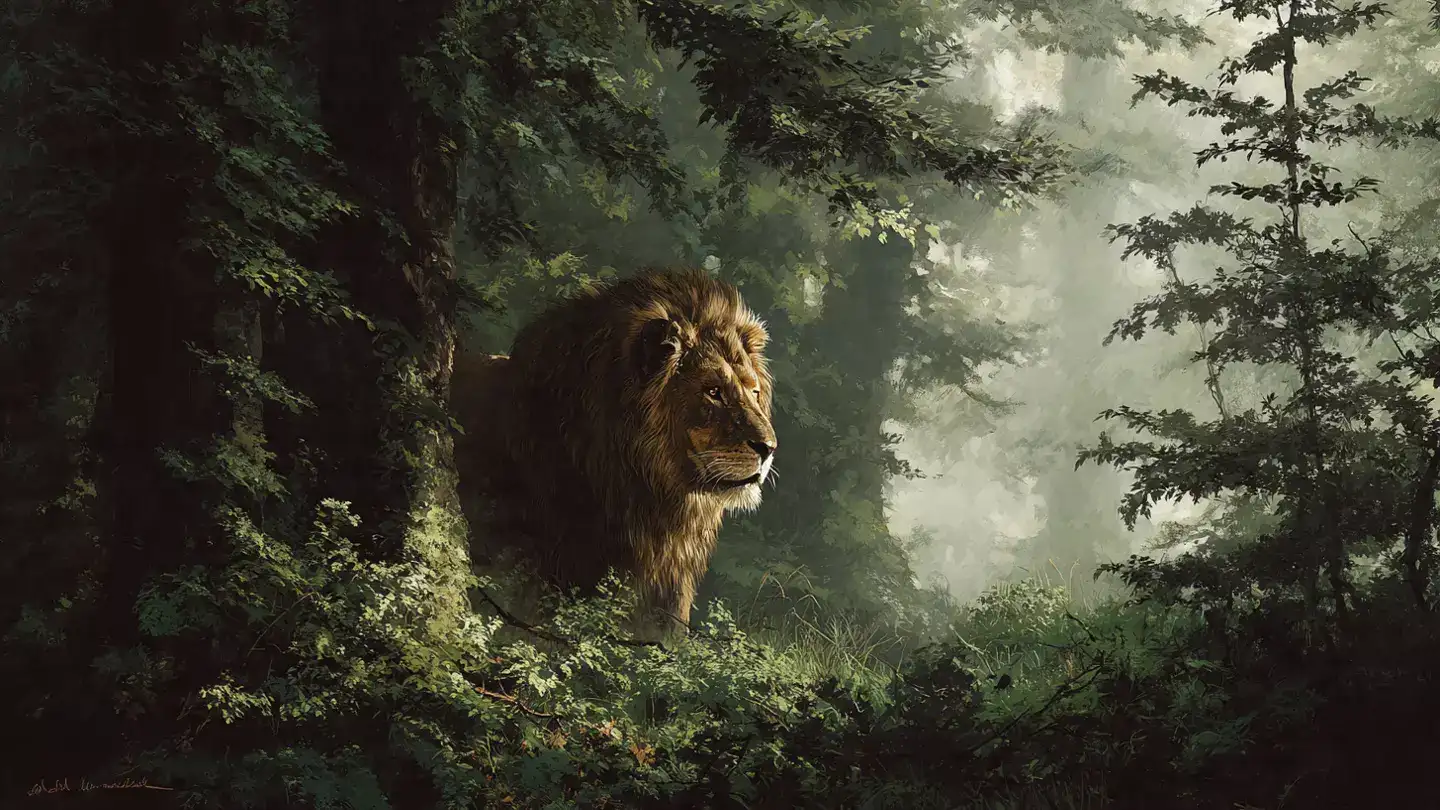
Lions primarily prey on medium to large herbivorous mammals such as wildebeest, zebra, antelope species and occasionally larger prey such as buffalo. Hunting behaviour is opportunistic rather than strictly selective. Lions tend to target prey that provides the highest energy return relative to hunting effort, which may include young, injured or older animals but is not restricted to these categories.
Predation pressure from lions can influence prey herd movement and vigilance behaviour. This behavioural influence is ecologically significant because it reduces prolonged grazing pressure in single locations and promotes more even vegetation use across landscapes.
When herbivores alter grazing locations due to predator presence, vegetation in heavily grazed areas can recover more effectively. This contributes to maintaining plant diversity and soil structure stability. However, vegetation dynamics are influenced by rainfall variability, fire cycles, soil composition and human land management practices, not only by predator presence.
Biodiversity maintenance is a complex ecological process involving multiple trophic levels, including primary producers, herbivores, carnivores and decomposers. Lions are one component of these interconnected biological systems rather than independent regulators of biodiversity.
These interactions contribute to ecological diversity because different predator species often specialise in different hunting strategies or prey sizes. Removal of apex predators can sometimes alter predator community structure, though ecosystem responses vary by region.
Human-wildlife conflict remains a major conservation challenge. Lions may attack livestock when natural prey availability decreases or when human settlements encroach on wildlife habitats. In response, retaliatory killing can reduce local lion populations.
Declines in prey populations due to hunting, habitat loss or competition with livestock grazing also indirectly affect lion survival. Climate variability can further influence ecosystem productivity and prey availability.
Sustainable conservation approaches aim to balance wildlife protection with human livelihood needs. Wildlife protected areas help maintain natural ecological interactions between predators, prey and vegetation systems.
Lions remain an important part of ecological networks rather than independent controllers of ecosystem balance. Their presence contributes to maintaining functional trophic interactions and natural ecological processes across savannah and grassland habitats.
Image Courtesy: Meta AI
Lions primarily prey on medium to large herbivorous mammals such as wildebeest, zebra, antelope species and occasionally larger prey such as buffalo. Hunting behaviour is opportunistic rather than strictly selective. Lions tend to target prey that provides the highest energy return relative to hunting effort, which may include young, injured or older animals but is not restricted to these categories.
Population Regulation And Ecological Effects
Lions contribute indirectly to regulating prey populations, but they do not solely control population sizes. Prey population dynamics are influenced by multiple ecological factors including reproduction rates, rainfall patterns, food availability, disease outbreaks and human land use.Predation pressure from lions can influence prey herd movement and vigilance behaviour. This behavioural influence is ecologically significant because it reduces prolonged grazing pressure in single locations and promotes more even vegetation use across landscapes.
Effects On Vegetation And Landscape Ecology
Lions indirectly influence vegetation patterns through trophic interactions. The presence of predators creates behavioural responses in herbivores, often described in ecological literature as risk-induced habitat use patterns.When herbivores alter grazing locations due to predator presence, vegetation in heavily grazed areas can recover more effectively. This contributes to maintaining plant diversity and soil structure stability. However, vegetation dynamics are influenced by rainfall variability, fire cycles, soil composition and human land management practices, not only by predator presence.
Biodiversity Maintenance Through Trophic Interactions
Lions contribute to ecosystem biodiversity primarily through indirect ecological effects. By influencing herbivore movement and grazing intensity, lions help prevent localised overgrazing in some environments. This supports plant species diversity and habitat heterogeneity.Biodiversity maintenance is a complex ecological process involving multiple trophic levels, including primary producers, herbivores, carnivores and decomposers. Lions are one component of these interconnected biological systems rather than independent regulators of biodiversity.
Predator Community Interactions
Lions coexist with other large carnivores in many ecosystems, including spotted hyenas and African wild dogs. Competition between predator species influences hunting territories, prey selection and activity patterns.You may also like
- Iranian diplomats in Sri Lanka demand explanation on sinking ship
- Nepal polling centres resplendent, abuzz with preparations for election days
- China seizes 'military vacuum' in Africa following Western retreat
- West Asia war could push Russian oil import by India to 1.5 million bpd: expert
- Bhutan's Foreign Minister Dhungyel arrives in New Delhi to attend Raisina Dialogue
These interactions contribute to ecological diversity because different predator species often specialise in different hunting strategies or prey sizes. Removal of apex predators can sometimes alter predator community structure, though ecosystem responses vary by region.
Threats To Lion Populations
Lion populations are facing significant decline due to multiple anthropogenic and environmental pressures. Habitat fragmentation caused by agricultural expansion, urban development and infrastructure construction reduces available hunting and breeding territories.Human-wildlife conflict remains a major conservation challenge. Lions may attack livestock when natural prey availability decreases or when human settlements encroach on wildlife habitats. In response, retaliatory killing can reduce local lion populations.
Declines in prey populations due to hunting, habitat loss or competition with livestock grazing also indirectly affect lion survival. Climate variability can further influence ecosystem productivity and prey availability.
Conservation Significance
Conserving lion populations is important for maintaining ecological processes in ecosystems where they naturally occur. Conservation strategies typically include habitat protection, wildlife corridor development and community-based conservation programs.Sustainable conservation approaches aim to balance wildlife protection with human livelihood needs. Wildlife protected areas help maintain natural ecological interactions between predators, prey and vegetation systems.
Lions remain an important part of ecological networks rather than independent controllers of ecosystem balance. Their presence contributes to maintaining functional trophic interactions and natural ecological processes across savannah and grassland habitats.
Image Courtesy: Meta AI






More from our partners


Loving Newspoint? Download the app now
