
Rising Costs: How the Middle East Crisis Is Impacting Petrol and Grocery Prices

The ongoing conflict in the Middle East is creating major disruptions across global markets, pushing prices higher for essentials, travel, and services. From petrol to groceries, the ripple effects are being felt worldwide, prompting warnings that costs could rise further if the situation continues.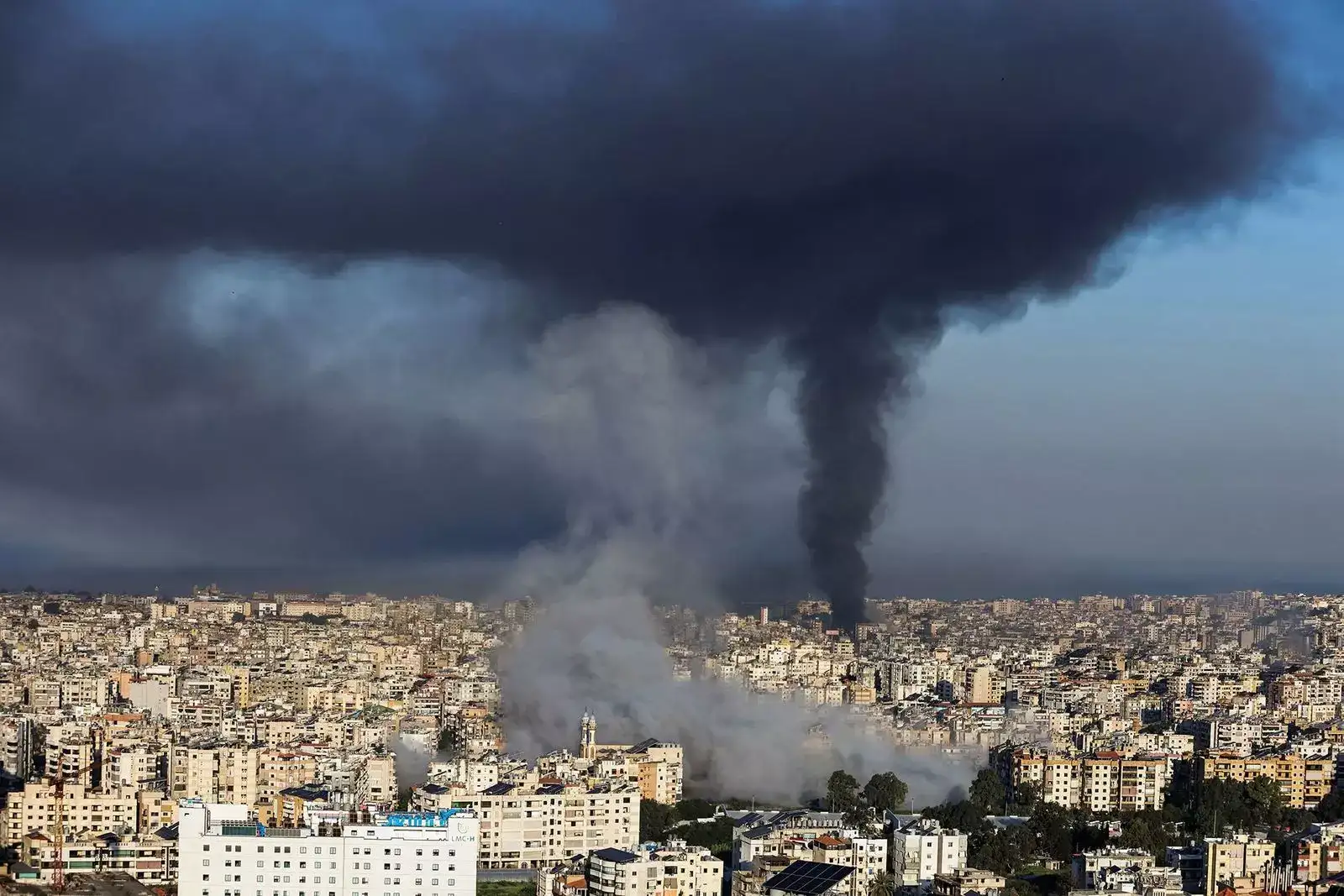
Petrol Prices on the Rise
Fuel pump prices have climbed slightly in the UK and Europe since the escalation, and analysts expect even higher rates soon. Brent crude, the global benchmark for oil, jumped 10% to $82 (£61) a barrel on Monday before easing to $78 on Wednesday. Britain’s AA warns that record prices could arrive within the next two weeks.
Governments are trying to prevent price exploitation. The Irish taoiseach, Micheál Martin, said there was “no excuse” for fuel price rises because Ireland’s oil comes from the North Sea. “We don’t want any price gouging going on,” he added. Spain is also monitoring petrol prices to avoid speculative hikes.
Heating Oil Costs Soar
Homeowners in Northern Ireland, where nearly two-thirds of households use oil for heating, are facing sharp price increases. On 26 February, 500 litres cost an average of £307, but some suppliers now charge up to £425. Rising heating oil bills add pressure to household budgets just as winter ends.
Airline Fares Spike
Air travel between Europe and Asia has become more expensive as major Middle East hubs close, canceling thousands of flights. Passengers trying alternative routes face higher fares and limited options. Michelle Wiese Bockmann, a commodities analyst, said on X that airlines were “gouging” desperate travelers. She cited fares ranging from €2,400 to €3,600 for flights to London. “Governments need to step in and take control. This is worse than the pandemic. Disgraceful,” she added.
Private jet operators are charging even more. Reports show flights from Oman to Milan costing £20,000 per seat, and a charter from Oman to Paris was listed at €215,000 for a 13-seater—almost double standard rates.
Groceries Could Follow
Although supermarket bills have not yet spiked, experts warn of knock-on effects. Closure of the Strait of Hormuz disrupts a fifth of global oil and gas supplies and a third of fertilizer exports. Grain prices are already rising, and shipments of Asian shrimp, dried fruits, and nuts are taking longer and costing more to reach Europe.
Disruptions in Iran’s exports of pistachios, walnuts, almonds, saffron, and dates could further increase costs. However, rerouted beef and poultry supplies from Brazil to Europe may offer some relief for consumers.
Maritime Insurance Rates Jump
Leading maritime insurers have canceled war risk cover for vessels operating in the Gulf, though some may reinstate it at higher premiums. Marcus Baker, global head of marine at insurance broker Marsh, said insurance rates could rise by 50% to 100% or more, from 0.25% to 0.5% or even 1% of the insured asset’s value. Mutual P&I cover remains unaffected.
The Big Picture
From petrol to groceries, heating oil, flights, and insurance, the Middle East crisis shows how global events quickly impact everyday life. Consumers and businesses alike are feeling the effects, and experts warn that these trends could continue if tensions persist. Staying informed and planning for rising costs will be crucial as the situation evolves.
Petrol Prices on the Rise
Fuel pump prices have climbed slightly in the UK and Europe since the escalation, and analysts expect even higher rates soon. Brent crude, the global benchmark for oil, jumped 10% to $82 (£61) a barrel on Monday before easing to $78 on Wednesday. Britain’s AA warns that record prices could arrive within the next two weeks. Governments are trying to prevent price exploitation. The Irish taoiseach, Micheál Martin, said there was “no excuse” for fuel price rises because Ireland’s oil comes from the North Sea. “We don’t want any price gouging going on,” he added. Spain is also monitoring petrol prices to avoid speculative hikes.
Heating Oil Costs Soar
Homeowners in Northern Ireland, where nearly two-thirds of households use oil for heating, are facing sharp price increases. On 26 February, 500 litres cost an average of £307, but some suppliers now charge up to £425. Rising heating oil bills add pressure to household budgets just as winter ends. Airline Fares Spike
Air travel between Europe and Asia has become more expensive as major Middle East hubs close, canceling thousands of flights. Passengers trying alternative routes face higher fares and limited options. Michelle Wiese Bockmann, a commodities analyst, said on X that airlines were “gouging” desperate travelers. She cited fares ranging from €2,400 to €3,600 for flights to London. “Governments need to step in and take control. This is worse than the pandemic. Disgraceful,” she added.Private jet operators are charging even more. Reports show flights from Oman to Milan costing £20,000 per seat, and a charter from Oman to Paris was listed at €215,000 for a 13-seater—almost double standard rates.
Groceries Could Follow
Although supermarket bills have not yet spiked, experts warn of knock-on effects. Closure of the Strait of Hormuz disrupts a fifth of global oil and gas supplies and a third of fertilizer exports. Grain prices are already rising, and shipments of Asian shrimp, dried fruits, and nuts are taking longer and costing more to reach Europe. Disruptions in Iran’s exports of pistachios, walnuts, almonds, saffron, and dates could further increase costs. However, rerouted beef and poultry supplies from Brazil to Europe may offer some relief for consumers.
Maritime Insurance Rates Jump
Leading maritime insurers have canceled war risk cover for vessels operating in the Gulf, though some may reinstate it at higher premiums. Marcus Baker, global head of marine at insurance broker Marsh, said insurance rates could rise by 50% to 100% or more, from 0.25% to 0.5% or even 1% of the insured asset’s value. Mutual P&I cover remains unaffected.The Big Picture
From petrol to groceries, heating oil, flights, and insurance, the Middle East crisis shows how global events quickly impact everyday life. Consumers and businesses alike are feeling the effects, and experts warn that these trends could continue if tensions persist. Staying informed and planning for rising costs will be crucial as the situation evolves. Next Story