
NASA Finds Hidden Signs of Water Beneath Mars’ Jezero Crater

Mars may appear cold and lifeless today, but new scientific findings suggest it once had flowing water and possibly conditions suitable for life. In a major breakthrough, scientists have uncovered hidden signs of an ancient water system beneath the surface of the Red Planet, offering valuable clues about its early history.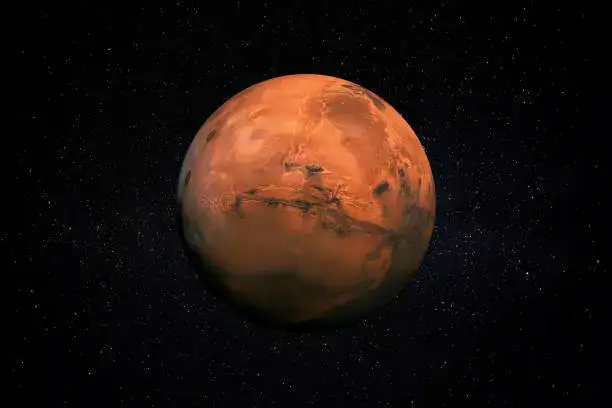
As the rover travelled around 6.1 kilometers across the crater, it scanned the ground and revealed geological formations buried nearly 35 meters below the surface. These structures had remained hidden until now, making this one of the most significant discoveries in recent Mars exploration.
On Earth, deltas are rich in nutrients and often support life. The presence of similar formations on Mars suggests that the planet once had flowing water and stable environments that could have supported microbial life.
Scientists estimate that this buried delta dates back around 3.7 to 4.2 billion years. Considering Mars itself formed about 4.5 billion years ago, this discovery belongs to one of the earliest chapters in the planet’s history.
The data used for this discovery was collected over roughly 250 Martian days between September 2023 and February 2024. It represents the deepest and most detailed underground scan conducted by the rover so far.
This means water may have existed in Jezero Crater even earlier than scientists had previously confirmed. It strengthens the idea that Mars once had a long and active history of rivers and lakes.
These sediments are important because they can preserve biosignatures, which are chemical or physical traces that may indicate past life. On Earth, similar environments are known to support microbial ecosystems.
This makes Jezero Crater one of the most promising locations in the search for ancient life on Mars.
With more evidence of water-rich environments emerging, the chances of Mars having supported life in the distant past continue to grow. Even if life did not develop, these conditions make Mars more Earth-like than previously thought.
Each new piece of evidence adds to a larger picture of Mars as a dynamic and diverse world. Scientists now see it as a planet that once had flowing water, changing landscapes, and possibly the building blocks of life.
The discovery of a hidden river delta beneath Jezero Crater is a major step forward in understanding Mars. It shows that the planet once had active water systems and environments that could have supported life.
As exploration continues, missions like Perseverance are helping us uncover Mars’ secrets layer by layer. With every new finding, we move closer to answering one of the biggest questions of all time: did life ever exist beyond Earth?
A Groundbreaking Find by Scientists
Using advanced technology, NASA’s Perseverance rover has detected subsurface structures inside Jezero Crater that strongly point to the existence of an ancient river delta.As the rover travelled around 6.1 kilometers across the crater, it scanned the ground and revealed geological formations buried nearly 35 meters below the surface. These structures had remained hidden until now, making this one of the most significant discoveries in recent Mars exploration.
What Exactly Was Found?
The rover identified layered sediments and eroded surfaces beneath the ground. These are key signs of a delta, which forms when a river slows down and deposits sediments as it flows into a lake or larger body of water.On Earth, deltas are rich in nutrients and often support life. The presence of similar formations on Mars suggests that the planet once had flowing water and stable environments that could have supported microbial life.
Scientists estimate that this buried delta dates back around 3.7 to 4.2 billion years. Considering Mars itself formed about 4.5 billion years ago, this discovery belongs to one of the earliest chapters in the planet’s history.
How the Discovery Was Made
The key to this discovery lies in a powerful radar instrument called RIMFAX, carried by the Perseverance rover. This tool sends radar waves into the ground and captures the signals that bounce back, creating a detailed 3D view of what lies beneath the surface.The data used for this discovery was collected over roughly 250 Martian days between September 2023 and February 2024. It represents the deepest and most detailed underground scan conducted by the rover so far.
Older Than Previously Known Formations
Interestingly, this newly discovered buried delta appears to be older than a nearby surface feature known as the Western Delta. That structure is estimated to be around 3.5 to 3.7 billion years old.You may also like
- Cuba hit by second nationwide blackout in under a week amid deepening energy crisis
- US House resolution seeks 'genocide' tag for Pakistan's 1971 atrocities on Bengali Hindus
- Sri Lanka urges sparing use of power, fuel; hikes prices again
- "Strait of Hormuz is only closed to Iran's enemies," says envoy Ali Mousavi
- UK deploys nuclear submarine in Arabian Sea amid Iran conflict
This means water may have existed in Jezero Crater even earlier than scientists had previously confirmed. It strengthens the idea that Mars once had a long and active history of rivers and lakes.
Why Jezero Crater Is So Important
Jezero Crater, located in Mars’ northern hemisphere, is believed to have once been a lake basin. Rivers likely flowed into this crater, depositing sediments over time and forming a delta.These sediments are important because they can preserve biosignatures, which are chemical or physical traces that may indicate past life. On Earth, similar environments are known to support microbial ecosystems.
This makes Jezero Crater one of the most promising locations in the search for ancient life on Mars.
What This Means for Life on Mars
The presence of water is one of the most important factors when it comes to the possibility of life. While Mars is now dry and cold, scientists believe it once had a thicker atmosphere and a warmer climate. These conditions would have allowed liquid water to exist on the surface for long periods.With more evidence of water-rich environments emerging, the chances of Mars having supported life in the distant past continue to grow. Even if life did not develop, these conditions make Mars more Earth-like than previously thought.
A Bigger Picture of Mars’ History
This discovery is not an isolated finding. Over the years, multiple missions have revealed dried river channels, mineral deposits formed in water, and signs of ancient lakes across the planet.Each new piece of evidence adds to a larger picture of Mars as a dynamic and diverse world. Scientists now see it as a planet that once had flowing water, changing landscapes, and possibly the building blocks of life.
The discovery of a hidden river delta beneath Jezero Crater is a major step forward in understanding Mars. It shows that the planet once had active water systems and environments that could have supported life.
As exploration continues, missions like Perseverance are helping us uncover Mars’ secrets layer by layer. With every new finding, we move closer to answering one of the biggest questions of all time: did life ever exist beyond Earth?






More from our partners


Loving Newspoint? Download the app now
