
NASA Reveals Why This Ice-Covered Antarctic Lake Is Full of Life

In the vast, frozen expanse of Antarctica lies a lake that quietly challenges what we think we know about life. At first glance, Lake Unter-See appears completely lifeless, sealed beneath a thick sheet of ice. But beneath that frozen surface, it hosts a surprisingly active and unique ecosystem that has captured the attention of scientists around the world.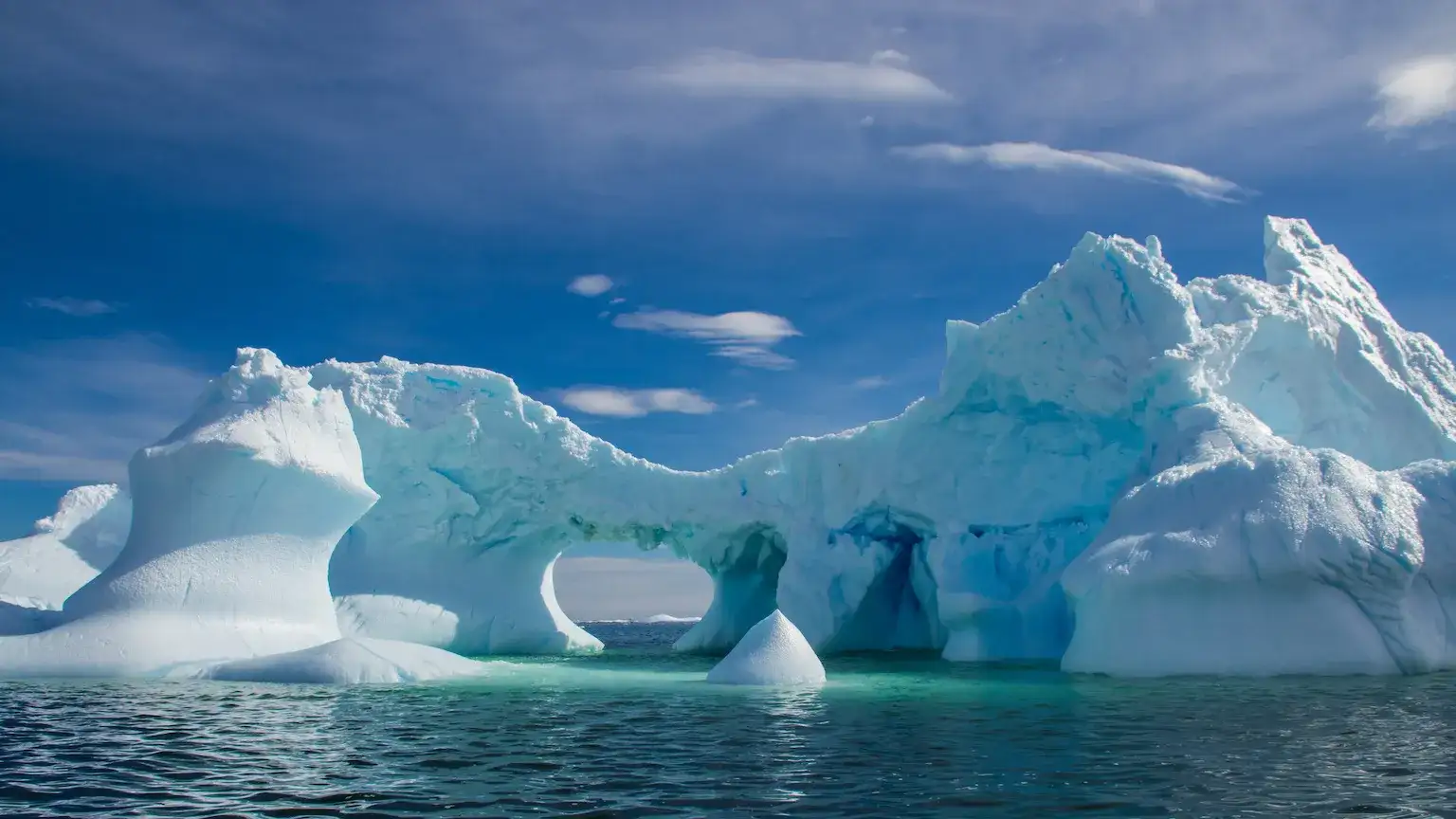
Earth is home to millions of lakes, yet only a handful are as unusual as this one. Lake Unter-See stands out because of its rare water chemistry. It contains extremely high levels of dissolved oxygen, very little carbon dioxide, and has a strongly alkaline nature. These conditions are not common, and they create an environment where life exists in unexpected ways.
A Lake Frozen in Time
Lake Unter-See remains covered in ice throughout the year due to the harsh Antarctic climate. Temperatures in the region hover around minus 10 degrees Celsius on average, keeping the lake permanently sealed under several meters of ice. Most of the water in the lake comes from seasonal meltwater flowing from the nearby Anuchin Glacier.
Even with such cold conditions, sunlight is able to pass through the ice and reach the water below. This allows a small amount of warming to take place beneath the surface. However, strong winds and extremely low temperatures above the ice lead to constant evaporation and sublimation, which prevents the ice from melting significantly. The lake is also quite deep, with scientists estimating a maximum depth of around 170 meters.
Life Beneath the Ice
What truly makes this lake remarkable is the presence of large conical stromatolites. These are layered, rock-like structures formed over time by tiny microorganisms, mainly cyanobacteria. As these microbes grow, they trap sediments and create mineral layers, slowly building upward.
These structures are not just visually striking, they also play a key role in the lake’s ecosystem. Through photosynthesis, the microorganisms release oxygen, which gets trapped under the ice and contributes to the lake’s unusually high oxygen levels.
Stromatolites in this lake were identified by researchers in 2011. Scientists believe they closely resemble some of the earliest forms of life on Earth, dating back billions of years. While similar formations exist in places like Greenland and Western Australia, those found in Lake Unter-See are much larger, sometimes growing up to half a meter tall.
The calm and protected conditions inside the lake allow these formations to grow undisturbed. There are no waves, very little sediment, and minimal interference from other organisms. Among the few living creatures found here are tardigrades, microscopic animals often called water bears, known for their ability to survive in extreme environments.
A Window Into Other Worlds
Lake Unter-See is not just important for understanding Earth’s past. It also provides valuable clues about the possibility of life beyond our planet. Scientists studying space believe that similar conditions may exist on icy moons such as Europa and Enceladus, where oceans lie beneath thick layers of ice.
The lake also offers insights into what ancient Mars might have been like. With evidence of glaciers and ice caps on the Red Planet, researchers think that environments similar to Lake Unter-See could have once supported simple life forms.
A Changing but Resilient Ecosystem
Despite its calm appearance, the lake is not entirely unchanged. In 2019, scientists observed a sudden rise in its water level. Further studies revealed that a nearby glacial lake had released a large amount of meltwater into Lake Unter-See.
This influx brought millions of cubic meters of water, along with higher levels of carbon dioxide. Such changes can temporarily alter the lake’s chemistry and may even increase microbial activity. These events show that even in such a remote and stable environment, natural processes continue to shape the ecosystem.
Lake Unter-See remains one of the most fascinating places on Earth. Hidden beneath ice and isolated from the outside world, it continues to reveal new secrets about life in extreme conditions. From ancient microbial structures to clues about life beyond Earth, this frozen lake proves that even the coldest corners of our planet can be full of surprises.
Earth is home to millions of lakes, yet only a handful are as unusual as this one. Lake Unter-See stands out because of its rare water chemistry. It contains extremely high levels of dissolved oxygen, very little carbon dioxide, and has a strongly alkaline nature. These conditions are not common, and they create an environment where life exists in unexpected ways.
A Lake Frozen in Time
Lake Unter-See remains covered in ice throughout the year due to the harsh Antarctic climate. Temperatures in the region hover around minus 10 degrees Celsius on average, keeping the lake permanently sealed under several meters of ice. Most of the water in the lake comes from seasonal meltwater flowing from the nearby Anuchin Glacier.Even with such cold conditions, sunlight is able to pass through the ice and reach the water below. This allows a small amount of warming to take place beneath the surface. However, strong winds and extremely low temperatures above the ice lead to constant evaporation and sublimation, which prevents the ice from melting significantly. The lake is also quite deep, with scientists estimating a maximum depth of around 170 meters.
Life Beneath the Ice
What truly makes this lake remarkable is the presence of large conical stromatolites. These are layered, rock-like structures formed over time by tiny microorganisms, mainly cyanobacteria. As these microbes grow, they trap sediments and create mineral layers, slowly building upward.You may also like
- 'Massacre Dressed Up As Military Operation': India Slams Pakistan Over Kabul Hospital Airstrike
- Indian‑flagged LPG tanker 'Nanda Devi' arrives at Gujarat's Vadinar Port
- Israel launches new strikes on Tehran, Lebanon as Iran hits back and fires on Gulf neighbours
- Baloch activist slams Pakistan's 'poetry radicalisation' claim
These structures are not just visually striking, they also play a key role in the lake’s ecosystem. Through photosynthesis, the microorganisms release oxygen, which gets trapped under the ice and contributes to the lake’s unusually high oxygen levels.
Stromatolites in this lake were identified by researchers in 2011. Scientists believe they closely resemble some of the earliest forms of life on Earth, dating back billions of years. While similar formations exist in places like Greenland and Western Australia, those found in Lake Unter-See are much larger, sometimes growing up to half a meter tall.
The calm and protected conditions inside the lake allow these formations to grow undisturbed. There are no waves, very little sediment, and minimal interference from other organisms. Among the few living creatures found here are tardigrades, microscopic animals often called water bears, known for their ability to survive in extreme environments.
A Window Into Other Worlds
Lake Unter-See is not just important for understanding Earth’s past. It also provides valuable clues about the possibility of life beyond our planet. Scientists studying space believe that similar conditions may exist on icy moons such as Europa and Enceladus, where oceans lie beneath thick layers of ice.The lake also offers insights into what ancient Mars might have been like. With evidence of glaciers and ice caps on the Red Planet, researchers think that environments similar to Lake Unter-See could have once supported simple life forms.
A Changing but Resilient Ecosystem
Despite its calm appearance, the lake is not entirely unchanged. In 2019, scientists observed a sudden rise in its water level. Further studies revealed that a nearby glacial lake had released a large amount of meltwater into Lake Unter-See. This influx brought millions of cubic meters of water, along with higher levels of carbon dioxide. Such changes can temporarily alter the lake’s chemistry and may even increase microbial activity. These events show that even in such a remote and stable environment, natural processes continue to shape the ecosystem.
Lake Unter-See remains one of the most fascinating places on Earth. Hidden beneath ice and isolated from the outside world, it continues to reveal new secrets about life in extreme conditions. From ancient microbial structures to clues about life beyond Earth, this frozen lake proves that even the coldest corners of our planet can be full of surprises.






More from our partners


Loving Newspoint? Download the app now
