
Netanyahu's defence push: Israel approves purchase of F-35 and F-15IA fighter jets to boost air power


Israel's defence ministry on Sunday said that it has given final approval to purchase two new combat squadrons of advanced fighter aircraft from Lockheed Martin and Boeing in a deal worth tens of billions of dollars aimed at strengthening the country's long-term military capability and air superiority.
The deal includes the purchase of F-35 and F-15IA fighter jets under a broader 350 billion shekel ($119 billion) defence modernisation plan designed to boost Israel’s military readiness, according to the defence ministry.
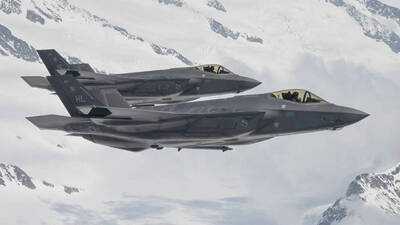
The plan was approved by Israel’s Ministerial Committee on Procurement and marks a major expansion of the country’s air power, including a fourth F-35 squadron from Lockheed Martin and a second squadron of F-15IA fighter jets from Boeing, Reuters reported.
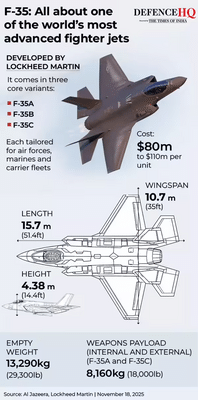
'Shield of Israel' plan to transform air power and future warfare
The F-35 and F-15IA acquisitions are central to the 'Shield of Israel' plan, designed to ensure long-term air superiority and technological advantage for the Israel Defence Forces (IDF).
As part of the plan, the Israeli Air Force is expected to undergo a major technological upgrade, including integration of autonomous flight systems, next-generation defence capabilities, and expansion into what officials describe as future military operations in space.
Defence Ministry Director General Maj Gen (Res) Amir Baram said the approval marks a key step in the country’s long-term military build-up strategy.
"The approval of this procurement is the first major step in executing the 350-billion-NIS force buildup plan for an intense security decade ahead. Alongside immediate wartime procurement needs, we have a responsibility to act now to secure the IDF’s military edge ten years from now and beyond,” Baram said.
He added that the two aircraft types will provide flexibility across multiple combat scenarios, strengthening both offensive and defensive capabilities.
Baram said the new squadrons will serve as a cornerstone of the military’s force development strategy to address regional threats and preserve air superiority. He also said the recent war with Iran underscored the importance of advanced air power and the strategic relationship with the United States.
"The recent war with Iran reinforced just how critical the U.S.-Israel strategic relationship is, and how essential advanced air power remains," he said.
Massive fleet expansion after post-October 7 security shift
The decision reflects what officials described as a 'radical post-October 7 reality', where Israel has significantly increased defence spending over the next decade.
Israel will expand defence expenditure by 350 billion shekels over ten years, in addition to annual defence budgets that have risen from under 100 billion shekels to nearly 150 billion shekels.
The government has also approved a major expansion of its air fleet, doubling the F-35 programme from 50 to 100 aircraft and increasing the F-15IA fleet from 25 to 50, according to The Jerusalem Post.
Officials said earlier debates over whether to prioritise either F-35 or F-15IA purchases were dropped after recent conflicts highlighted the operational need for both platforms.
Netanyahu, Katz highlight strategic shift in defence doctrine
Prime Minister Benjamin Netanyahu said a significant part of the expanded defence budget will focus on domestic production of weapons and reducing dependence on foreign suppliers.
"Much of this expanded defence budget will be to produce munitions in Israel and not be dependent on foreign countries," he said. Netanyahu added that Israel will also develop 'groundbreaking' aircraft.
Defence minister Israel Katz said the conflict with Iran highlighted the decisive role of the air force in national security. "The lessons of that campaign require us to keep pressing forward on force buildup, to ensure air superiority for decades to come," he said.
Katz added that the new aircraft would bring a technological leap, including integration of autonomous flight capabilities and next-generation defence systems. "Our mission is clear: to ensure the IDF has the tools, capabilities, and strength to operate anywhere, at any time. We will continue to invest, to grow stronger, and to stay ahead of our enemies,” he said.
Long-term force build-up and evolving air fleet strategyOfficials said the procurement is part of a broader restructuring of Israel’s air force, which is expected to eventually include around 100 F-35s, over 100 upgraded F-16s, and at least 50 F-15IA aircraft.
The programme also includes upgrades to older F-16 fleets and gradual replacement of ageing F-15 aircraft, many of which date back to the 1970s.
Israel first joined the F-35 programme in 2010, with operational deployment beginning in 2017. Since then, the aircraft has played a central role in operations across multiple fronts, including Iran, Syria, Lebanon, Yemen, and Gaza.
Military officials said the aircraft has been used extensively in high-risk operations due to its stealth and advanced intelligence capabilities, including strikes against Iranian air defence systems.
Strategic integration and future procurement roadmapFollowing approval by the procurement committee, Baram directed Israel’s mission in the United States to finalise agreements with the US government and defence contractors.
Earlier contracts included an $8.6 billion Boeing deal for F-15IA jets, with options for additional aircraft, and a separate 2023 agreement for 25 additional F-35 aircraft.
Deliveries of new aircraft are expected to continue into the early 2030s as part of a phased expansion strategy.
Officials said the long-term plan reflects Israel’s shift toward sustained technological superiority in air warfare, combining stealth capabilities, electronic warfare systems and advanced surveillance platforms.
The deal includes the purchase of F-35 and F-15IA fighter jets under a broader 350 billion shekel ($119 billion) defence modernisation plan designed to boost Israel’s military readiness, according to the defence ministry.
The plan was approved by Israel’s Ministerial Committee on Procurement and marks a major expansion of the country’s air power, including a fourth F-35 squadron from Lockheed Martin and a second squadron of F-15IA fighter jets from Boeing, Reuters reported.
'Shield of Israel' plan to transform air power and future warfare
The F-35 and F-15IA acquisitions are central to the 'Shield of Israel' plan, designed to ensure long-term air superiority and technological advantage for the Israel Defence Forces (IDF).
As part of the plan, the Israeli Air Force is expected to undergo a major technological upgrade, including integration of autonomous flight systems, next-generation defence capabilities, and expansion into what officials describe as future military operations in space.
Defence Ministry Director General Maj Gen (Res) Amir Baram said the approval marks a key step in the country’s long-term military build-up strategy.
"The approval of this procurement is the first major step in executing the 350-billion-NIS force buildup plan for an intense security decade ahead. Alongside immediate wartime procurement needs, we have a responsibility to act now to secure the IDF’s military edge ten years from now and beyond,” Baram said.
He added that the two aircraft types will provide flexibility across multiple combat scenarios, strengthening both offensive and defensive capabilities.
Baram said the new squadrons will serve as a cornerstone of the military’s force development strategy to address regional threats and preserve air superiority. He also said the recent war with Iran underscored the importance of advanced air power and the strategic relationship with the United States.
"The recent war with Iran reinforced just how critical the U.S.-Israel strategic relationship is, and how essential advanced air power remains," he said.
Massive fleet expansion after post-October 7 security shift
The decision reflects what officials described as a 'radical post-October 7 reality', where Israel has significantly increased defence spending over the next decade.
Israel will expand defence expenditure by 350 billion shekels over ten years, in addition to annual defence budgets that have risen from under 100 billion shekels to nearly 150 billion shekels.
The government has also approved a major expansion of its air fleet, doubling the F-35 programme from 50 to 100 aircraft and increasing the F-15IA fleet from 25 to 50, according to The Jerusalem Post.
Officials said earlier debates over whether to prioritise either F-35 or F-15IA purchases were dropped after recent conflicts highlighted the operational need for both platforms.
Netanyahu, Katz highlight strategic shift in defence doctrine
Prime Minister Benjamin Netanyahu said a significant part of the expanded defence budget will focus on domestic production of weapons and reducing dependence on foreign suppliers.
"Much of this expanded defence budget will be to produce munitions in Israel and not be dependent on foreign countries," he said. Netanyahu added that Israel will also develop 'groundbreaking' aircraft.
Defence minister Israel Katz said the conflict with Iran highlighted the decisive role of the air force in national security. "The lessons of that campaign require us to keep pressing forward on force buildup, to ensure air superiority for decades to come," he said.
Katz added that the new aircraft would bring a technological leap, including integration of autonomous flight capabilities and next-generation defence systems. "Our mission is clear: to ensure the IDF has the tools, capabilities, and strength to operate anywhere, at any time. We will continue to invest, to grow stronger, and to stay ahead of our enemies,” he said.
Long-term force build-up and evolving air fleet strategyOfficials said the procurement is part of a broader restructuring of Israel’s air force, which is expected to eventually include around 100 F-35s, over 100 upgraded F-16s, and at least 50 F-15IA aircraft.
The programme also includes upgrades to older F-16 fleets and gradual replacement of ageing F-15 aircraft, many of which date back to the 1970s.
Israel first joined the F-35 programme in 2010, with operational deployment beginning in 2017. Since then, the aircraft has played a central role in operations across multiple fronts, including Iran, Syria, Lebanon, Yemen, and Gaza.
Military officials said the aircraft has been used extensively in high-risk operations due to its stealth and advanced intelligence capabilities, including strikes against Iranian air defence systems.
Strategic integration and future procurement roadmapFollowing approval by the procurement committee, Baram directed Israel’s mission in the United States to finalise agreements with the US government and defence contractors.
Earlier contracts included an $8.6 billion Boeing deal for F-15IA jets, with options for additional aircraft, and a separate 2023 agreement for 25 additional F-35 aircraft.
Deliveries of new aircraft are expected to continue into the early 2030s as part of a phased expansion strategy.
Officials said the long-term plan reflects Israel’s shift toward sustained technological superiority in air warfare, combining stealth capabilities, electronic warfare systems and advanced surveillance platforms.
Next Story