
Palak Paneer Lunch Dispute Ends In Rs 1.65-Crore Settlement For Two Indian Students In US

What began as a routine lunch break for two Indian doctoral students in the United States eventually spiralled into a life-altering dispute, ending with their permanent return to India and a $200,000 settlement with a prominent American university.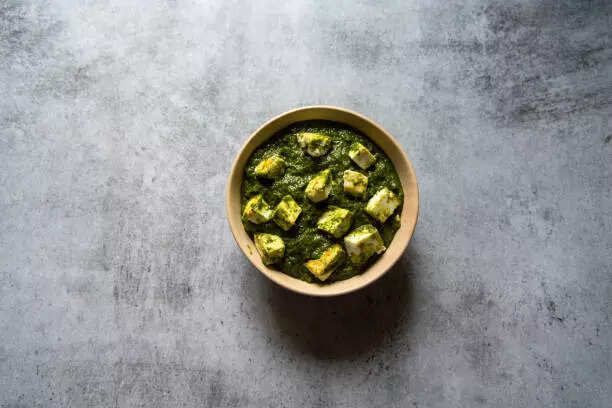
The episode traces back to September 5, 2023, when Aditya Prakash, then a fully funded PhD student in anthropology at the University of Colorado Boulder, was warming his lunch in a shared departmental microwave. The meal was palak paneer. According to Prakash, a staff member objected to the “smell” of the food and asked him not to use the microwave.
“She said it was pungent,” Prakash recalled. He added that he responded calmly, saying, “It’s just food. I’m heating it and leaving.”
What appeared to be a minor disagreement soon turned into something much larger. Prakash and his partner, fellow PhD student Urmi Bhattacheryya, alleged that the incident triggered a pattern of discrimination and retaliation after Prakash raised concerns about how he was treated.
In the months that followed, Prakash said he was repeatedly summoned to meetings with senior faculty members. He also faced allegations that he had made staff “feel unsafe” and was subjected to complaints filed against him with the Office of Student Conduct. Bhattacheryya, meanwhile, alleged that she lost her teaching assistantship without any prior warning or explanation.
She further claimed that tensions escalated when she and other students brought Indian food to campus two days after the initial incident. According to Bhattacheryya, they were accused of “inciting a riot,” although those complaints were later dismissed.
By September 2025, nearly two years after the microwave dispute, the university reached a settlement with the couple following a federal civil rights lawsuit. Under the agreement, the university agreed to pay them $200,000 and confer Master’s degrees on both students. As part of the settlement, they are barred from future enrolment or employment at the institution.
Earlier this month, Prakash and Bhattacheryya returned to India permanently.
In their lawsuit filed in the US District Court for the District of Colorado, the couple alleged that after Prakash raised objections to discriminatory treatment, the university “engaged in a pattern of escalating retaliation.” The complaint also challenged a departmental kitchen policy, arguing that it had a “disproportionate and discriminatory impact on ethnic groups like South Asians,” creating an atmosphere where Indian students felt uncomfortable opening their lunches in shared spaces.
“The discriminatory treatment and ongoing retaliation caused us emotional distress, mental anguish, and pain and suffering,” the lawsuit stated.
Prakash, who is from Bhopal, and Bhattacheryya, from Kolkata, said the first year of their doctoral programmes passed without incident. Prakash received grants and funding, while Bhattacheryya’s research on marital rape was well received. Both said they had invested their life savings in pursuing higher education in the US.
“Everything changed overnight after that food-heating episode,” Prakash said. Emphasising the cultural dimension of the issue, he added, “My food is my pride. Ideas about what smells good or bad are culturally determined.”
He also pushed back against comparisons made during the dispute, saying restrictions on other foods were not comparable. “Context matters,” he said, asking, “How many groups face racism because they eat broccoli?”
The couple said they were encouraged when 29 fellow students from the anthropology department issued a statement supporting them. The statement described the response to Indian food as “harmful” and discriminatory, and cited the department’s own position on systemic racism, saying diversity should be “celebrated, not merely tolerated.”
Bhattacheryya said further action against her followed after she invited Prakash to speak in a class on ethnocentrism, where he shared his lived experience without naming individuals or detailing the incident.
By May 2025, the couple filed a federal civil rights lawsuit alleging discrimination and retaliation. By the time the settlement was reached, both said they no longer wished to return to the US.
“Going back would mean re-entering the same system, with the same visa precarity,” Prakash said, adding, “I don’t see myself going back.”
Bhattacheryya said their experience reflected a broader hardening of attitudes in the US amid recent political shifts. “Institutions talk about inclusion,” she said, “but there is less patience for discomfort especially when it comes from immigrants or people of colour.”
The palak paneer dispute, which began with a simple lunch in a shared microwave, ultimately exposed deeper questions around cultural sensitivity, inclusion, and the lived realities of international students. While the settlement brought formal closure, the experience left a lasting impact on those involved, highlighting how everyday moments can escalate when institutions fail to handle difference with empathy.
The episode traces back to September 5, 2023, when Aditya Prakash, then a fully funded PhD student in anthropology at the University of Colorado Boulder, was warming his lunch in a shared departmental microwave. The meal was palak paneer. According to Prakash, a staff member objected to the “smell” of the food and asked him not to use the microwave.
“She said it was pungent,” Prakash recalled. He added that he responded calmly, saying, “It’s just food. I’m heating it and leaving.”
What appeared to be a minor disagreement soon turned into something much larger. Prakash and his partner, fellow PhD student Urmi Bhattacheryya, alleged that the incident triggered a pattern of discrimination and retaliation after Prakash raised concerns about how he was treated.
In the months that followed, Prakash said he was repeatedly summoned to meetings with senior faculty members. He also faced allegations that he had made staff “feel unsafe” and was subjected to complaints filed against him with the Office of Student Conduct. Bhattacheryya, meanwhile, alleged that she lost her teaching assistantship without any prior warning or explanation.
She further claimed that tensions escalated when she and other students brought Indian food to campus two days after the initial incident. According to Bhattacheryya, they were accused of “inciting a riot,” although those complaints were later dismissed.
By September 2025, nearly two years after the microwave dispute, the university reached a settlement with the couple following a federal civil rights lawsuit. Under the agreement, the university agreed to pay them $200,000 and confer Master’s degrees on both students. As part of the settlement, they are barred from future enrolment or employment at the institution.
Earlier this month, Prakash and Bhattacheryya returned to India permanently.
In their lawsuit filed in the US District Court for the District of Colorado, the couple alleged that after Prakash raised objections to discriminatory treatment, the university “engaged in a pattern of escalating retaliation.” The complaint also challenged a departmental kitchen policy, arguing that it had a “disproportionate and discriminatory impact on ethnic groups like South Asians,” creating an atmosphere where Indian students felt uncomfortable opening their lunches in shared spaces.
“The discriminatory treatment and ongoing retaliation caused us emotional distress, mental anguish, and pain and suffering,” the lawsuit stated.
Prakash, who is from Bhopal, and Bhattacheryya, from Kolkata, said the first year of their doctoral programmes passed without incident. Prakash received grants and funding, while Bhattacheryya’s research on marital rape was well received. Both said they had invested their life savings in pursuing higher education in the US.
“Everything changed overnight after that food-heating episode,” Prakash said. Emphasising the cultural dimension of the issue, he added, “My food is my pride. Ideas about what smells good or bad are culturally determined.”
He also pushed back against comparisons made during the dispute, saying restrictions on other foods were not comparable. “Context matters,” he said, asking, “How many groups face racism because they eat broccoli?”
The couple said they were encouraged when 29 fellow students from the anthropology department issued a statement supporting them. The statement described the response to Indian food as “harmful” and discriminatory, and cited the department’s own position on systemic racism, saying diversity should be “celebrated, not merely tolerated.”
Bhattacheryya said further action against her followed after she invited Prakash to speak in a class on ethnocentrism, where he shared his lived experience without naming individuals or detailing the incident.
By May 2025, the couple filed a federal civil rights lawsuit alleging discrimination and retaliation. By the time the settlement was reached, both said they no longer wished to return to the US.
“Going back would mean re-entering the same system, with the same visa precarity,” Prakash said, adding, “I don’t see myself going back.”
Bhattacheryya said their experience reflected a broader hardening of attitudes in the US amid recent political shifts. “Institutions talk about inclusion,” she said, “but there is less patience for discomfort especially when it comes from immigrants or people of colour.”
The palak paneer dispute, which began with a simple lunch in a shared microwave, ultimately exposed deeper questions around cultural sensitivity, inclusion, and the lived realities of international students. While the settlement brought formal closure, the experience left a lasting impact on those involved, highlighting how everyday moments can escalate when institutions fail to handle difference with empathy.
Next Story