
US Gas Prices Jump 40% Amid Iran War, Raising Economic Slowdown Concerns

The ongoing Iran war has quickly turned into a major global energy crisis , pushing oil prices higher and raising concerns about rising gas prices, especially in the United States. At the heart of this surge is the growing instability in the Middle East and the disruption of critical oil supply routes.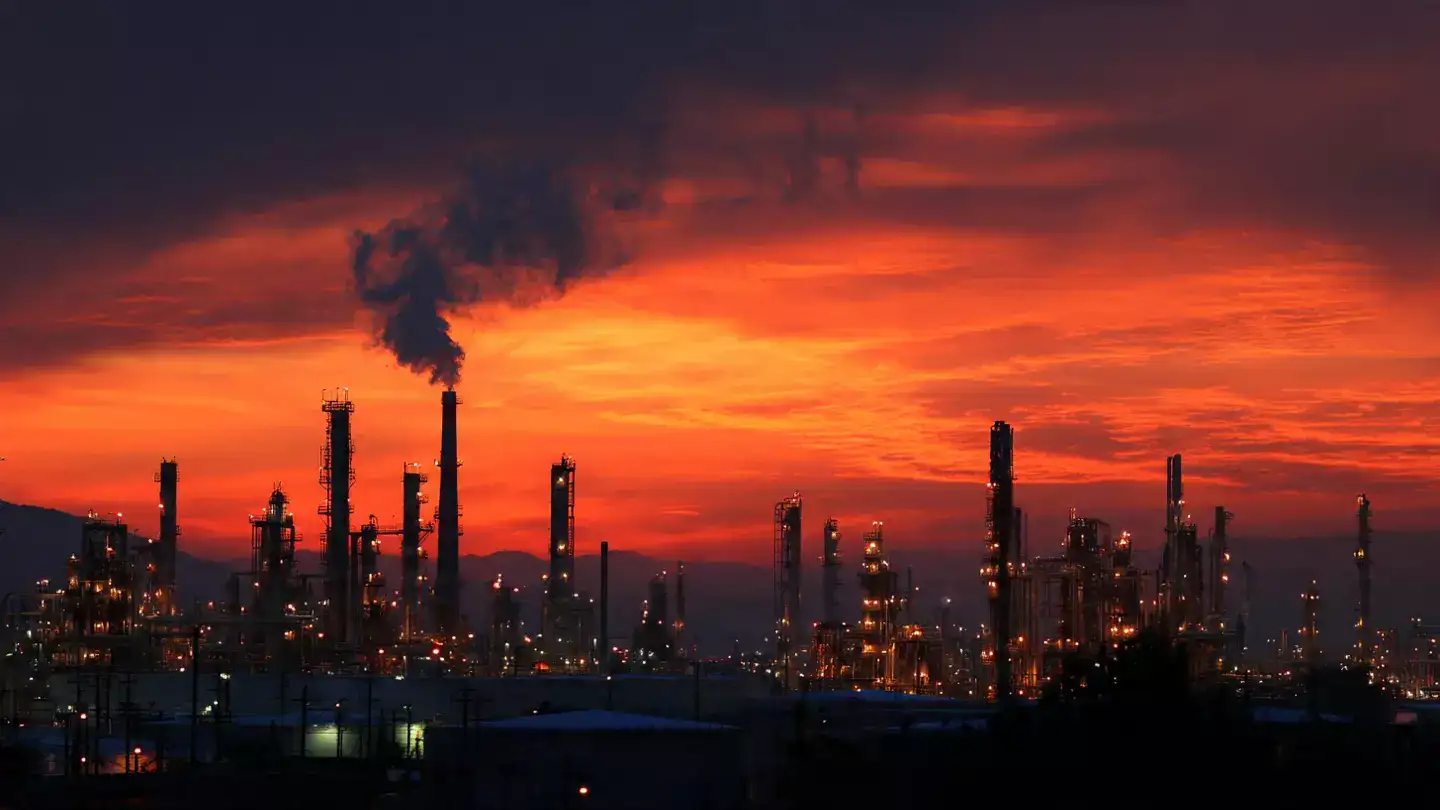
One key reason behind the spike is the situation around the Strait of Hormuz , a narrow but extremely important waterway through which nearly 20 percent of the world’s oil supply passes. Any disruption here has an immediate impact on global fuel prices.
Recent developments show that shipping activity has dropped sharply, and in some cases, nearly halted due to security threats and attacks on vessels. This has created a supply crunch in global oil markets, which directly pushes prices higher.
When supply drops but demand remains steady, prices rise. That’s exactly what is happening now.
Reports indicate that Brent crude touched around $111 to $113 per barrel amid ongoing tensions and uncertainty in the region.
This sharp rise is not just a short-term spike. Analysts believe that if the conflict continues or worsens, prices could climb even higher, affecting economies worldwide.
As oil becomes more expensive globally, refining and transportation costs also increase. This eventually translates into higher prices at the pump for consumers.
Experts warn that if supply disruptions continue, US gas prices could keep rising in the coming weeks, adding pressure on households already dealing with inflation.
Attacks on energy infrastructure and reduced production in key regions have worsened the situation. In fact, some estimates suggest that the crisis is even more severe than past oil shocks, with significant damage to supply chains.
This broader energy disruption means the impact is being felt across multiple sectors, from transportation to manufacturing.
Investors and analysts are increasingly worried that the situation could drag on, leading to sustained high oil prices and continued volatility in gas prices.
Even expectations of a quick recovery are fading, as geopolitical tensions remain high and supply risks continue.
Countries that rely heavily on oil imports, especially in Asia, are already scrambling to secure alternative supplies at higher prices.
If the crisis continues, it could have long-term effects on global markets, making everyday essentials more expensive for consumers worldwide.
The Iran war has triggered a major global energy shock, with oil prices surging and gas prices rising as a direct result of supply disruptions in the Strait of Hormuz.
As long as tensions remain high and supply routes stay uncertain, fuel prices are likely to stay elevated. For consumers, this means higher costs, while for the global economy, it signals a period of continued uncertainty.
One key reason behind the spike is the situation around the Strait of Hormuz , a narrow but extremely important waterway through which nearly 20 percent of the world’s oil supply passes. Any disruption here has an immediate impact on global fuel prices.
Why the Strait of Hormuz Matters So Much
The Strait of Hormuz is often described as the world’s most important oil chokepoint. With tensions rising between Iran, the United States, and Israel, shipping through this route has been severely affected.Recent developments show that shipping activity has dropped sharply, and in some cases, nearly halted due to security threats and attacks on vessels. This has created a supply crunch in global oil markets, which directly pushes prices higher.
When supply drops but demand remains steady, prices rise. That’s exactly what is happening now.
Oil Prices Cross $100 as War Intensifies
As the Iran conflict continues to escalate, oil prices have surged past $100 per barrel, reflecting growing fears of a prolonged supply disruption.Reports indicate that Brent crude touched around $111 to $113 per barrel amid ongoing tensions and uncertainty in the region.
This sharp rise is not just a short-term spike. Analysts believe that if the conflict continues or worsens, prices could climb even higher, affecting economies worldwide.
How the Iran War Is Impacting US Gas Prices
Higher crude oil prices almost always lead to higher gas prices, and the United States is already feeling the impact.As oil becomes more expensive globally, refining and transportation costs also increase. This eventually translates into higher prices at the pump for consumers.
Experts warn that if supply disruptions continue, US gas prices could keep rising in the coming weeks, adding pressure on households already dealing with inflation.
Global Energy Supply Under Pressure
The Iran war is not just affecting oil. It is also disrupting natural gas supplies and other energy resources.Attacks on energy infrastructure and reduced production in key regions have worsened the situation. In fact, some estimates suggest that the crisis is even more severe than past oil shocks, with significant damage to supply chains.
This broader energy disruption means the impact is being felt across multiple sectors, from transportation to manufacturing.
Why This Crisis Could Last Longer
One of the biggest concerns right now is that there is no quick resolution in sight. The ongoing conflict, military threats, and uncertainty around the Strait of Hormuz are keeping markets on edge.Investors and analysts are increasingly worried that the situation could drag on, leading to sustained high oil prices and continued volatility in gas prices.
Even expectations of a quick recovery are fading, as geopolitical tensions remain high and supply risks continue.
What It Means for the Global Economy
The impact of rising oil prices goes beyond just fuel costs. It can lead to higher inflation, increased transportation costs, and slower economic growth.Countries that rely heavily on oil imports, especially in Asia, are already scrambling to secure alternative supplies at higher prices.
If the crisis continues, it could have long-term effects on global markets, making everyday essentials more expensive for consumers worldwide.
The Iran war has triggered a major global energy shock, with oil prices surging and gas prices rising as a direct result of supply disruptions in the Strait of Hormuz.
As long as tensions remain high and supply routes stay uncertain, fuel prices are likely to stay elevated. For consumers, this means higher costs, while for the global economy, it signals a period of continued uncertainty.
Next Story