
US Supreme Court Rejects Trump’s Global Tariffs in Major Legal Defeat

In a high-stakes decision that has wide implications for trade policy and presidential power, the United States Supreme Court on February 20, 2026 ruled against former President Donald Trump’s sweeping global tariffs. The Court held that Trump did not have the legal authority to impose tariffs under the International Emergency Economic Powers Act (IEEPA), a law originally designed to deal with national emergencies. This ruling represents a major legal setback for Trump’s economic agenda and highlights the limits of executive authority on trade matters.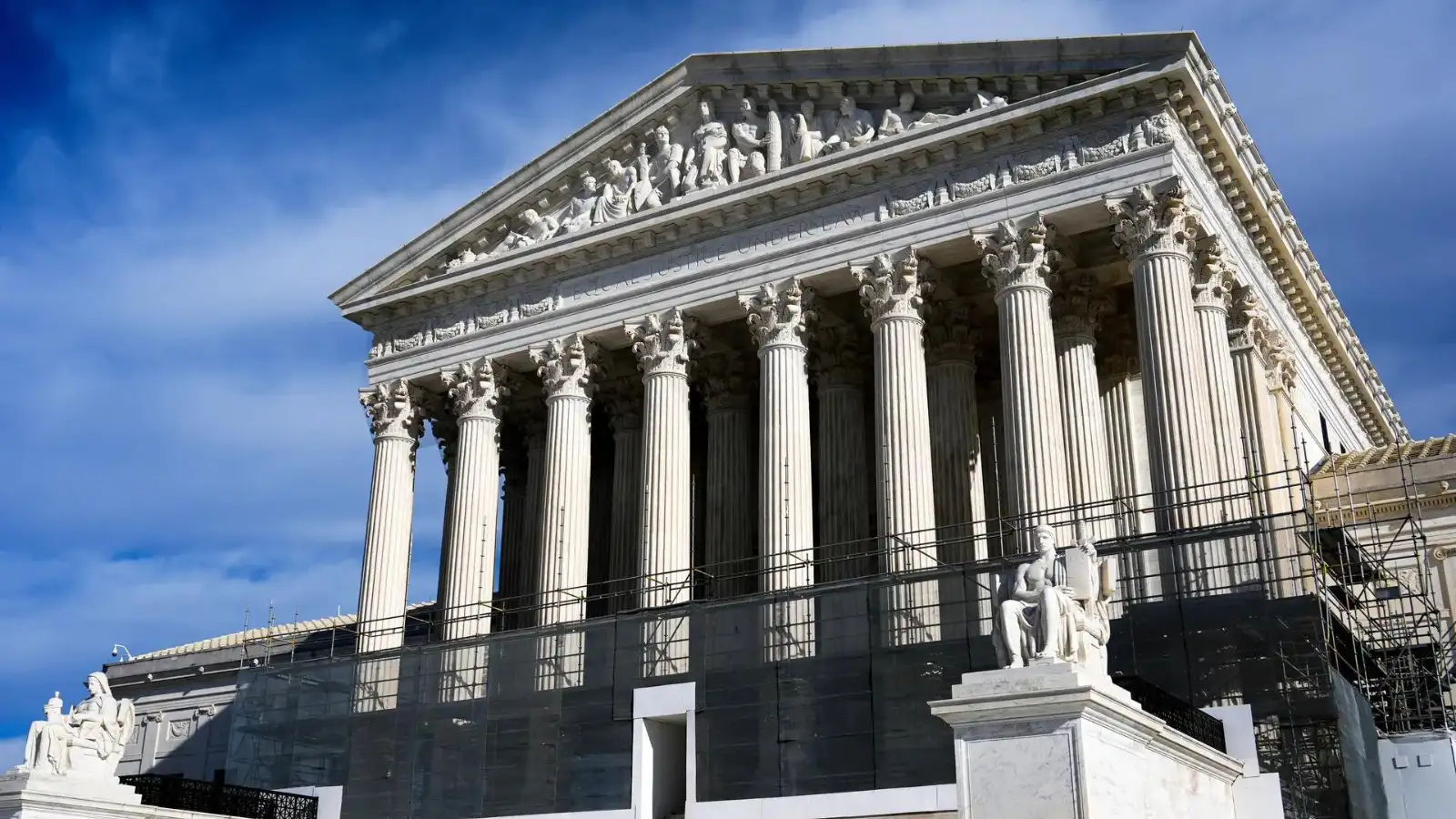
Chief Justice Roberts made this clear in the ruling, writing: "The Framers did not vest any part of the taxing power in the Executive Branch." The decision reinforced the idea that major economic policy decisions like tariffs must be grounded in clear legislative authority, not executive decree.
Trump stated that he has “other alternatives” to pursue tariff policies and suggested that the government would explore additional legal paths to maintain some trade levies. This response shows that while the Supreme Court struck down tariffs under IEEPA, the broader debate over tariff authority and trade strategy may continue.
Because the Court did not address how or whether importers should be refunded for tariffs already collected under the now-invalid orders, the issue remains unresolved. Companies and states may pursue litigation to recover billions in duties, a process that could have significant economic consequences.
Part of the majority also invoked the major questions doctrine, a legal principle that significant decisions with vast economic and political effects must be supported by explicit congressional language. This doctrine has played a key role in other high-profile Supreme Court rulings and was central to the decision in this case.
Several countries welcomed the decision, noting that it could reduce uncertainty in markets and restore more predictable trade conditions. Still, Trump’s promise of alternative tariff actions means new developments could be on the horizon, keeping global trade observers on alert.
Court’s 6-3 Decision Rejects Tariff Power Under Emergency Law
The Supreme Court delivered its ruling by a 6-3 vote, with conservative Chief Justice John Roberts writing the majority opinion. The Court found that the 1977 IEEPA statute used by Trump does not grant the president the power to levy tariffs without Congress’s explicit approval. Tariffs are considered a form of taxation, and under the U.S. Constitution, the power to impose taxes rests solely with Congress.Chief Justice Roberts made this clear in the ruling, writing: "The Framers did not vest any part of the taxing power in the Executive Branch." The decision reinforced the idea that major economic policy decisions like tariffs must be grounded in clear legislative authority, not executive decree.
Trump Criticises Ruling, Promises New Tariffs
Former President Trump reacted angrily to the Supreme Court’s decision, calling the verdict “terrible” and “totally defective” in his comments after the ruling. Despite the setback, Trump immediately announced plans to impose a temporary 10 percent global tariff under a different statute, Section 122 of the Trade Act of 1974, which allows presidential tariff action for up to 150 days.Trump stated that he has “other alternatives” to pursue tariff policies and suggested that the government would explore additional legal paths to maintain some trade levies. This response shows that while the Supreme Court struck down tariffs under IEEPA, the broader debate over tariff authority and trade strategy may continue.
What This Ruling Means for Global Trade and Refunds
The tariffs invalidated by the Supreme Court had been a central part of Trump’s broader strategy to reshape global trade relations. Many of these duties had targeted major U.S. trading partners and were introduced under emergency powers by arguing threats such as large trade deficits and foreign policy concerns.Because the Court did not address how or whether importers should be refunded for tariffs already collected under the now-invalid orders, the issue remains unresolved. Companies and states may pursue litigation to recover billions in duties, a process that could have significant economic consequences.
Limits on Executive Power Reinforced
Legal experts say this ruling strengthens the constitutional principle of separation of powers. By invalidating the executive’s broad use of IEEPA for tariffs, the Supreme Court has emphasised that sweeping economic decisions require clear authorization from Congress.Part of the majority also invoked the major questions doctrine, a legal principle that significant decisions with vast economic and political effects must be supported by explicit congressional language. This doctrine has played a key role in other high-profile Supreme Court rulings and was central to the decision in this case.
Global and Economic Implications
The Supreme Court’s rejection of Trump’s global tariffs is expected to reshape the international trade landscape. With tariffs under IEEPA struck down, trading partners that were hit with steep duties — including duties related to opioid and other policy concerns — may see lower barriers or pursue compensation.Several countries welcomed the decision, noting that it could reduce uncertainty in markets and restore more predictable trade conditions. Still, Trump’s promise of alternative tariff actions means new developments could be on the horizon, keeping global trade observers on alert.
Next Story