
Suriname’s Maria Geralda Witnesses Massive Gold Discovery, Experts Shocked by Unusually Rich Ore

A major gold discovery in southeastern Suriname is creating excitement in the global mining community. At a site known as Maria Geralda, geologists have uncovered unusually high-grade gold deposits that could reshape understanding of the region’s geology and boost the country’s economic prospects.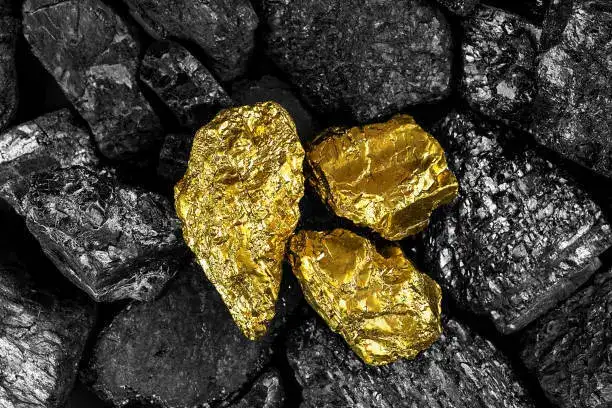
The find is located within the resource-rich Marowijne Greenstone Belt, an area already known for its mineral potential. However, the latest drilling results have exceeded expectations by a wide margin.
Remarkable Drill Results Set New Benchmark
Exploration work at Maria Geralda has delivered results that stand out even by global mining standards. A drill intercept revealed 22.5 metres grading 11.88 grams of gold per tonne, far above the typical 1 to 2 grams per tonne considered viable for most gold mining operations.
Such high-grade results are rare and indicate a strong concentration of gold within the rock formations. This discovery suggests that the site may host a significant and potentially expandable gold resource.
The findings have opened up new possibilities for exploration in the surrounding region, with experts now looking at the area with renewed interest.
Understanding the Geological Setting
Maria Geralda lies within the ancient Guiana Shield, one of the world’s oldest geological formations. This region spans parts of Suriname, Guyana, French Guiana, Venezuela, and northern Brazil.
The area is known for its greenstone belts, which are volcanic and sedimentary rock formations that often contain valuable minerals. In this case, gold is found within quartz veins formed by ancient tectonic activity.
Over billions of years, movements within the Earth’s crust created networks of faults and fractures. These structures acted as pathways for mineral-rich fluids, which eventually deposited gold in concentrated zones.
Role of Ancient Geological Forces
The formation of these deposits is closely linked to a major geological event known as the Trans-Amazonian Orogeny, which took place more than two billion years ago.
During this period, intense tectonic activity shaped the region’s rock formations, creating the fault systems and shear zones that are now key targets for gold exploration. These structures allowed gold-bearing fluids to circulate and settle in areas like Maria Geralda.
Today, these ancient formations continue to guide modern exploration efforts, helping geologists identify high-potential zones.
Advanced Exploration Reveals More Potential
Recent exploration at the site has gone beyond basic drilling. A detailed program using mechanical auger drilling helped create a three-dimensional structural model of the area.
This model identified several high-grade mineralised zones, often referred to as shoots, and confirmed the presence of free gold along with sulphide minerals. These findings suggest that the mineralisation is not limited to a single point but may extend across a broader area.
Importantly, the discovery remains open, meaning further drilling could reveal even larger deposits.
Economic Significance for Suriname
Gold mining plays a central role in Suriname’s economy, contributing significantly to export earnings and government revenue. Discoveries like Maria Geralda could further strengthen this sector.
The potential benefits include:
In addition to large-scale mining, artisanal mining has historically taken place in the Marowijne Greenstone Belt. The presence of high-grade deposits could now encourage more organised and large-scale operations.
Balancing Growth with Responsibility
While the discovery offers strong economic promise, it also highlights the need for responsible development. Mining activities must follow environmental standards and ensure that local communities are included in decision-making processes.
Sustainable practices will be essential to balance economic growth with environmental protection.
What This Discovery Means for the Future
The Maria Geralda discovery has brought fresh attention to the Marowijne Greenstone Belt and the wider Guiana Shield region. With such high-grade results, exploration efforts are likely to expand, potentially leading to more discoveries in the future.
For geologists, this find provides valuable new data about how gold deposits form and persist over time. For Suriname, it represents an opportunity to strengthen its position in the global mining industry.
The discovery of high-grade gold at Maria Geralda is a reminder of how much of the Earth’s natural wealth remains untapped. It highlights the importance of advanced exploration techniques and deep geological understanding.
As further studies continue, this site could become one of the most significant gold discoveries in the region, opening new doors for scientific research and economic development alike.
The find is located within the resource-rich Marowijne Greenstone Belt, an area already known for its mineral potential. However, the latest drilling results have exceeded expectations by a wide margin.
Remarkable Drill Results Set New Benchmark
Exploration work at Maria Geralda has delivered results that stand out even by global mining standards. A drill intercept revealed 22.5 metres grading 11.88 grams of gold per tonne, far above the typical 1 to 2 grams per tonne considered viable for most gold mining operations.Such high-grade results are rare and indicate a strong concentration of gold within the rock formations. This discovery suggests that the site may host a significant and potentially expandable gold resource.
The findings have opened up new possibilities for exploration in the surrounding region, with experts now looking at the area with renewed interest.
Understanding the Geological Setting
Maria Geralda lies within the ancient Guiana Shield, one of the world’s oldest geological formations. This region spans parts of Suriname, Guyana, French Guiana, Venezuela, and northern Brazil. The area is known for its greenstone belts, which are volcanic and sedimentary rock formations that often contain valuable minerals. In this case, gold is found within quartz veins formed by ancient tectonic activity.
Over billions of years, movements within the Earth’s crust created networks of faults and fractures. These structures acted as pathways for mineral-rich fluids, which eventually deposited gold in concentrated zones.
Role of Ancient Geological Forces
The formation of these deposits is closely linked to a major geological event known as the Trans-Amazonian Orogeny, which took place more than two billion years ago.During this period, intense tectonic activity shaped the region’s rock formations, creating the fault systems and shear zones that are now key targets for gold exploration. These structures allowed gold-bearing fluids to circulate and settle in areas like Maria Geralda.
Today, these ancient formations continue to guide modern exploration efforts, helping geologists identify high-potential zones.
Advanced Exploration Reveals More Potential
Recent exploration at the site has gone beyond basic drilling. A detailed program using mechanical auger drilling helped create a three-dimensional structural model of the area. This model identified several high-grade mineralised zones, often referred to as shoots, and confirmed the presence of free gold along with sulphide minerals. These findings suggest that the mineralisation is not limited to a single point but may extend across a broader area.
Importantly, the discovery remains open, meaning further drilling could reveal even larger deposits.
You may also like
- Denmark rail accident: Two trains collide head-on near Copenhagen, several injured
- MoS Pabitra Margherita meets Vanuatu's FM, discusses enhancing bilateral cooperation
- News of fresh talks with Iran 'possible' by Friday: Trump
- Alleged enforced disappearance of female student sparks protest in Quetta
- Timeline for wartime operational control transfer from US to be set in annual defence talks: Seoul
Economic Significance for Suriname
Gold mining plays a central role in Suriname’s economy, contributing significantly to export earnings and government revenue. Discoveries like Maria Geralda could further strengthen this sector. The potential benefits include:
- Increased foreign investment in mining projects
- Job creation in remote regions
- Development of infrastructure such as roads and transport networks
- Growth opportunities for local communities
In addition to large-scale mining, artisanal mining has historically taken place in the Marowijne Greenstone Belt. The presence of high-grade deposits could now encourage more organised and large-scale operations.
Balancing Growth with Responsibility
While the discovery offers strong economic promise, it also highlights the need for responsible development. Mining activities must follow environmental standards and ensure that local communities are included in decision-making processes. Sustainable practices will be essential to balance economic growth with environmental protection.
What This Discovery Means for the Future
The Maria Geralda discovery has brought fresh attention to the Marowijne Greenstone Belt and the wider Guiana Shield region. With such high-grade results, exploration efforts are likely to expand, potentially leading to more discoveries in the future.For geologists, this find provides valuable new data about how gold deposits form and persist over time. For Suriname, it represents an opportunity to strengthen its position in the global mining industry.
The discovery of high-grade gold at Maria Geralda is a reminder of how much of the Earth’s natural wealth remains untapped. It highlights the importance of advanced exploration techniques and deep geological understanding.
As further studies continue, this site could become one of the most significant gold discoveries in the region, opening new doors for scientific research and economic development alike.






More from our partners


Loving Newspoint? Download the app now
