
5 Moon Mysteries Artemis Missions Could Finally Solve in Lunar Exploration

The Moon has often been seen as a quiet, lifeless satellite. But modern science tells a very different story. As NASA prepares to push forward with the Artemis missions , scientists believe this new phase of lunar exploration could finally answer some of the biggest Moon mysteries.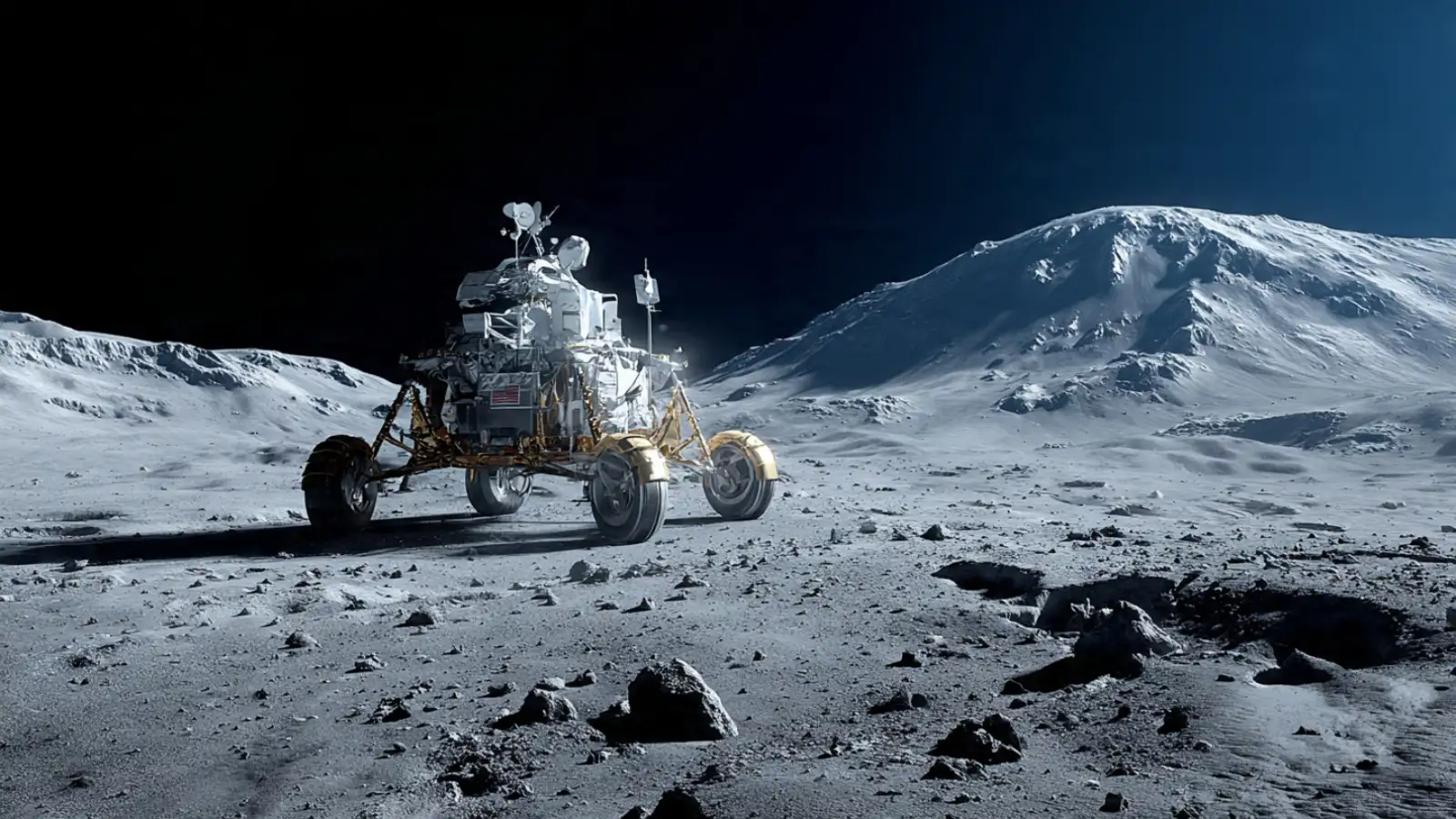
As the article puts it, “The moon is not just a barren rock orbiting the Earth.” This simple line captures a much bigger truth. With the NASA Artemis program aiming to bring humans back to the lunar surface and establish a long-term presence, researchers now have a real opportunity to study the Moon in ways that were never possible before.
The Artemis missions could help solve this mystery by collecting deeper and more diverse lunar samples . These samples, especially from untouched regions, may provide clearer evidence about how the Moon formed and evolved over billions of years.
With advanced instruments and the possibility of placing new seismometers, the Artemis missions could help map the Moon’s interior. This would allow researchers to better understand its geological history and how it has changed over time.
If confirmed, this water could play a key role in future human missions. It could be used for drinking, oxygen, and even fuel production. Artemis missions are expected to explore these regions more closely, making this one of the most important Moon mysteries to solve.
This difference has puzzled researchers for decades. With new landing sites and advanced tools, Artemis missions could provide fresh data to explain this unusual contrast and deepen our understanding of lunar geology.
By studying new lunar samples and conducting detailed measurements, Artemis missions could reveal more about the Moon’s magnetic history and what it means for its evolution.
This long-term approach means scientists will no longer rely only on short missions. Instead, they can study the Moon over time, leading to more accurate and detailed discoveries about these Moon mysteries.
Despite these challenges, the potential scientific benefits and breakthroughs in lunar exploration make the investment worthwhile.
The Artemis missions could change how we see the Moon and open the door to deeper space exploration, including missions to Mars. In many ways, solving these Moon mysteries is just the beginning of a much larger journey.
As the article puts it, “The moon is not just a barren rock orbiting the Earth.” This simple line captures a much bigger truth. With the NASA Artemis program aiming to bring humans back to the lunar surface and establish a long-term presence, researchers now have a real opportunity to study the Moon in ways that were never possible before.
Mystery 1: How Did the Moon Really Form
One of the oldest questions in Moon research is about its origin. Scientists widely believe the Moon formed after a massive collision between Earth and another planetary body. But many details of this theory are still unclear.The Artemis missions could help solve this mystery by collecting deeper and more diverse lunar samples . These samples, especially from untouched regions, may provide clearer evidence about how the Moon formed and evolved over billions of years.
Mystery 2: What Lies Inside the Moon
Understanding the Moon’s internal structure is another major challenge in lunar exploration. Scientists still do not fully know what the Moon looks like beneath its surface.With advanced instruments and the possibility of placing new seismometers, the Artemis missions could help map the Moon’s interior. This would allow researchers to better understand its geological history and how it has changed over time.
Mystery 3: Is There Usable Water on the Moon
One of the most exciting questions in the NASA Artemis program is about water on the Moon. Scientists believe there may be ice hidden in permanently shadowed craters, especially near the lunar south pole.If confirmed, this water could play a key role in future human missions. It could be used for drinking, oxygen, and even fuel production. Artemis missions are expected to explore these regions more closely, making this one of the most important Moon mysteries to solve.
Mystery 4: Why Are the Moon’s Two Sides So Different
The Moon’s near side and far side look completely different, and scientists still do not fully understand why. The near side has large, dark plains, while the far side is more rugged and heavily cratered.You may also like
- Trump Iran deadline ends today: Will US strike or extend again?
- Firing outside Israeli consulate in Istanbul; at least 2 gunmen killed — video
- Pakistan: Afghan transgender woman killed in Peshawar over friendship refusal
- Pakistan: Petrol price shock sparks province-wide protests as public anger mounts
- Governor of Japan's Tottori Prefecture vows to strengthen India ties; prioritises "people-to-people" ties
This difference has puzzled researchers for decades. With new landing sites and advanced tools, Artemis missions could provide fresh data to explain this unusual contrast and deepen our understanding of lunar geology.
Mystery 5: Did the Moon Once Have a Magnetic Field
Another surprising question in Moon research is whether the Moon once had a magnetic field. Evidence suggests that it might have had one in the distant past, but scientists are still unsure how strong it was or how long it lasted.By studying new lunar samples and conducting detailed measurements, Artemis missions could reveal more about the Moon’s magnetic history and what it means for its evolution.
The Bigger Picture of Artemis Missions
The Artemis missions are not just about revisiting the Moon. They represent a major step forward in space exploration. NASA plans to build a sustainable human presence on the Moon, which will allow continuous research and data collection.This long-term approach means scientists will no longer rely only on short missions. Instead, they can study the Moon over time, leading to more accurate and detailed discoveries about these Moon mysteries.
Challenges and the Reality Behind the Mission
While the goals of the Artemis missions are ambitious, there are also challenges. One of the key concerns is the hiked price of large-scale space missions. The Artemis program involves advanced technology, international collaboration, and long-term planning, all of which significantly increase costs.Despite these challenges, the potential scientific benefits and breakthroughs in lunar exploration make the investment worthwhile.
Why This Matters for the Future
Understanding the Moon is not just about curiosity. It plays a crucial role in understanding Earth, the solar system, and even future space travel.The Artemis missions could change how we see the Moon and open the door to deeper space exploration, including missions to Mars. In many ways, solving these Moon mysteries is just the beginning of a much larger journey.






More from our partners


Loving Newspoint? Download the app now
