
US Steps Up Military Presence in West Asia With 50+ Jets; Iran’s Khamenei Flags Risks of Escalation

The United States has intensified its military posture in West Asia, deploying over 50 fighter jets to the region in a show of strength amid escalating tensions with Iran and ongoing indirect nuclear talks in Geneva.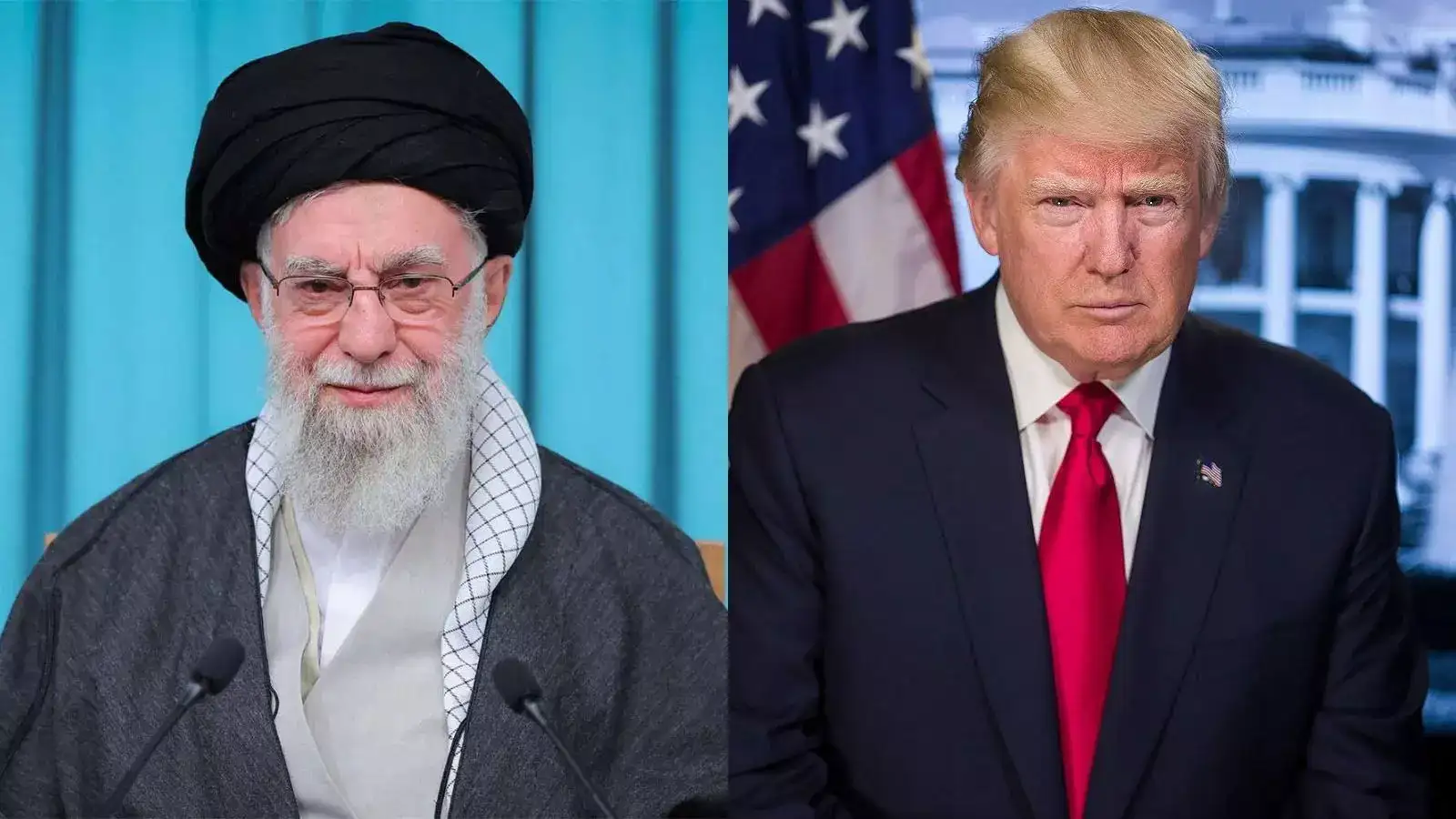
According to reports from Axios and US officials, independent flight trackers observed advanced aircraft, including F-16, F-22, and F-35 jets, heading toward the area within the past 24 hours. The deployment is part of a broader buildup of both air and naval assets near the strategically critical Strait of Hormuz, signaling Washington’s heightened readiness in the face of regional security challenges.
The increase in air power comes alongside intensified naval movements, reinforcing the US presence as diplomatic negotiations over Iran’s nuclear program continue.
Khamenei Issues Stern Warning
Amid the military buildup, Iranian Supreme Leader Ayatollah Ali Khamenei issued a strong warning to the US, addressing President Donald Trump directly.
“The US President keeps saying that they have the strongest military force in the world. The strongest military force in the world may at times be struck so hard that it cannot get up again," he said.
Referring to the growing US naval presence, Khamenei added:
“The Americans constantly say that they’ve sent a warship toward Iran. Of course, a warship is a dangerous piece of military hardware. However, more dangerous than that warship is the weapon that can send that warship to the bottom of the sea."
Khamenei also reiterated Iran’s resilience against decades of US pressure, stating:
“You, too, will not be able to do this."
Rising Tensions in West Asia
The deployment highlights a period of rising uncertainty in West Asia, with both sides showing military resolve while diplomatic efforts continue in parallel. Analysts note that the combination of US air and naval buildup and Iran’s assertive stance could increase regional volatility, especially around the Strait of Hormuz, a key chokepoint for global oil shipments.
As talks in Geneva proceed, all eyes remain on the balance between diplomacy and military posturing in one of the world’s most sensitive regions.
Strait of Hormuz Drills Heighten Tensions as US-Iran Talks Continue
Tensions in West Asia escalated further as Iran temporarily closed the Strait of Hormuz for live-fire military exercises, signaling a rare and significant show of force.
Iranian state media reported that missiles were fired toward the waterway during drills conducted under the pretext of “safety and maritime concerns.” The Strait of Hormuz is a strategic chokepoint through which roughly 20 percent of the world’s oil supply passes, making the closure a striking geopolitical move.
While Iran has conducted military exercises in the region before, formally announcing a closure amid heightened tensions is unusual. Iranian officials also warned that any attack on the country would have consequences “extending beyond its borders,” highlighting the broader regional risks of the standoff.
Diplomacy Persists Amid Military Posturing
Despite the military signaling, indirect diplomatic talks between Washington and Tehran have resumed in Geneva. Reports cited by ANI and the Associated Press indicate that the US delegation is led by Steve Witkoff and Jared Kushner, with Oman serving as mediator.
Iranian Foreign Minister Abbas Araghchi struck a relatively conciliatory note, stating,
“A new window has opened"
and expressing hope for a “sustainable and negotiated solution.”
From the American side, US Vice President JD Vance commented on the discussions:
“Discussions went well in some ways,"
while noting that significant differences remain over Washington’s key conditions.
Rising Stakes in the Gulf
The combination of Iran’s military maneuvers and ongoing diplomatic talks underscores the delicate balance in West Asia. With one of the world’s most critical oil transit routes at stake, analysts warn that even small miscalculations could escalate tensions further.
As both sides continue to signal strength while engaging in dialogue, the global community watches closely, aware that the Strait of Hormuz remains a flashpoint with worldwide economic and geopolitical implications.
According to reports from Axios and US officials, independent flight trackers observed advanced aircraft, including F-16, F-22, and F-35 jets, heading toward the area within the past 24 hours. The deployment is part of a broader buildup of both air and naval assets near the strategically critical Strait of Hormuz, signaling Washington’s heightened readiness in the face of regional security challenges.
The increase in air power comes alongside intensified naval movements, reinforcing the US presence as diplomatic negotiations over Iran’s nuclear program continue.
Khamenei Issues Stern Warning
Amid the military buildup, Iranian Supreme Leader Ayatollah Ali Khamenei issued a strong warning to the US, addressing President Donald Trump directly. “The US President keeps saying that they have the strongest military force in the world. The strongest military force in the world may at times be struck so hard that it cannot get up again," he said.
Referring to the growing US naval presence, Khamenei added:
“The Americans constantly say that they’ve sent a warship toward Iran. Of course, a warship is a dangerous piece of military hardware. However, more dangerous than that warship is the weapon that can send that warship to the bottom of the sea."
Khamenei also reiterated Iran’s resilience against decades of US pressure, stating:
“You, too, will not be able to do this."
Rising Tensions in West Asia
The deployment highlights a period of rising uncertainty in West Asia, with both sides showing military resolve while diplomatic efforts continue in parallel. Analysts note that the combination of US air and naval buildup and Iran’s assertive stance could increase regional volatility, especially around the Strait of Hormuz, a key chokepoint for global oil shipments. As talks in Geneva proceed, all eyes remain on the balance between diplomacy and military posturing in one of the world’s most sensitive regions.
Strait of Hormuz Drills Heighten Tensions as US-Iran Talks Continue
Tensions in West Asia escalated further as Iran temporarily closed the Strait of Hormuz for live-fire military exercises, signaling a rare and significant show of force.Iranian state media reported that missiles were fired toward the waterway during drills conducted under the pretext of “safety and maritime concerns.” The Strait of Hormuz is a strategic chokepoint through which roughly 20 percent of the world’s oil supply passes, making the closure a striking geopolitical move.
While Iran has conducted military exercises in the region before, formally announcing a closure amid heightened tensions is unusual. Iranian officials also warned that any attack on the country would have consequences “extending beyond its borders,” highlighting the broader regional risks of the standoff.
Diplomacy Persists Amid Military Posturing
Despite the military signaling, indirect diplomatic talks between Washington and Tehran have resumed in Geneva. Reports cited by ANI and the Associated Press indicate that the US delegation is led by Steve Witkoff and Jared Kushner, with Oman serving as mediator. Iranian Foreign Minister Abbas Araghchi struck a relatively conciliatory note, stating,
“A new window has opened"
and expressing hope for a “sustainable and negotiated solution.”
From the American side, US Vice President JD Vance commented on the discussions:
“Discussions went well in some ways,"
while noting that significant differences remain over Washington’s key conditions.
Rising Stakes in the Gulf
The combination of Iran’s military maneuvers and ongoing diplomatic talks underscores the delicate balance in West Asia. With one of the world’s most critical oil transit routes at stake, analysts warn that even small miscalculations could escalate tensions further. As both sides continue to signal strength while engaging in dialogue, the global community watches closely, aware that the Strait of Hormuz remains a flashpoint with worldwide economic and geopolitical implications.
Next Story