
What If Bees Had Legal Rights? Peru’s Bold Move Is Changing How We See Nature

In a striking shift that is capturing global attention, Peru has taken an unusual yet meaningful step by giving legal recognition to stingless bees. In parts of the Amazon, these tiny insects are no longer treated as simple natural resources. They are now seen as legal entities with rights, including the ability to be represented in court through human advocates.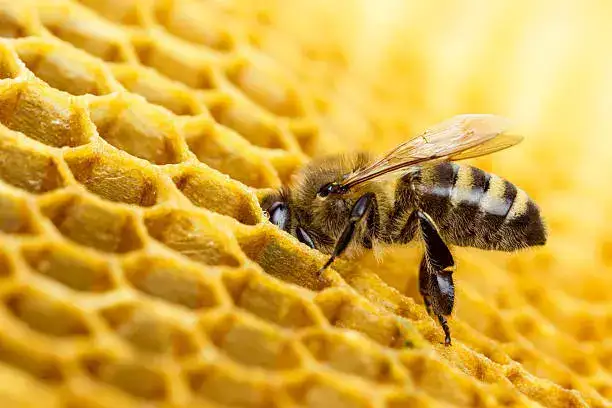
This development reflects a growing understanding that protecting nature may require stronger legal backing, especially at a time when environmental challenges are becoming more serious.
What the New Law Says
In regions like Satipo and Nauta, local laws now recognise stingless bees as legal subjects rather than property. This means they are granted rights to live, grow, and thrive in a clean and sustainable environment.
One of the most unique aspects of this law is that it allows individuals and organisations to take legal action on behalf of these bees. If their habitat is under threat, cases can be filed in their interest. The bees are given the right to “exist, prosper, and be represented in court,” marking a major shift in how legal systems view non-human life.
Experts describe this as part of a broader idea known as the “Rights of Nature,” which aims to give ecosystems and living beings a stronger voice in law.
Why Stingless Bees Matter
The focus on stingless bees is based on their crucial role in maintaining ecological balance. These insects are key pollinators in tropical ecosystems like the Amazon.
Scientists believe they are responsible for pollinating nearly 80 percent of plant species in such regions. This includes important crops like cocoa, coffee, and avocado, which support both local communities and global markets.
Peru is home to around 175 species of stingless bees, making it one of the most biodiverse regions for these insects. Protecting them is essential not just for nature, but also for agriculture and food security.
In addition, these bees hold cultural importance for indigenous communities. Their honey has also attracted scientific interest due to its antibacterial properties, with studies revealing “hundreds of bioactive molecules.”
A Turning Point in Environmental Law
Traditionally, environmental laws have treated animals and natural resources as property. Even when protections were in place, they rarely recognised these living beings as having rights of their own.
Peru’s decision changes that narrative. By granting legal status to insects, it pushes environmental law into new territory. It builds on earlier steps taken by countries that have given rights to rivers and ecosystems, but goes further by including insects in this framework.
As Constanza Prieto from the Earth Law Center explained, “Stingless bees represent a milestone in humanity’s relations with nature, making visible these creatures as rights-bearing subjects.”
What This Means for the Future
The idea that bees can be represented in court may seem unusual, but it signals a deeper shift in thinking. It shows a move away from treating nature as something to control, and towards recognising it as something to protect and respect.
This approach could influence future environmental policies around the world, especially as countries look for stronger ways to deal with climate change and biodiversity loss.
A Small Creature, A Big Message
At first glance, giving legal rights to bees might seem like a small step. But it carries a powerful message. Even the smallest creatures play a vital role in keeping ecosystems balanced.
By giving them a legal voice, Peru has opened the door to a new way of thinking about nature, one that values coexistence, responsibility, and long-term sustainability.
This development reflects a growing understanding that protecting nature may require stronger legal backing, especially at a time when environmental challenges are becoming more serious.
What the New Law Says
In regions like Satipo and Nauta, local laws now recognise stingless bees as legal subjects rather than property. This means they are granted rights to live, grow, and thrive in a clean and sustainable environment.One of the most unique aspects of this law is that it allows individuals and organisations to take legal action on behalf of these bees. If their habitat is under threat, cases can be filed in their interest. The bees are given the right to “exist, prosper, and be represented in court,” marking a major shift in how legal systems view non-human life.
Experts describe this as part of a broader idea known as the “Rights of Nature,” which aims to give ecosystems and living beings a stronger voice in law.
Why Stingless Bees Matter
The focus on stingless bees is based on their crucial role in maintaining ecological balance. These insects are key pollinators in tropical ecosystems like the Amazon. Scientists believe they are responsible for pollinating nearly 80 percent of plant species in such regions. This includes important crops like cocoa, coffee, and avocado, which support both local communities and global markets.
Peru is home to around 175 species of stingless bees, making it one of the most biodiverse regions for these insects. Protecting them is essential not just for nature, but also for agriculture and food security.
In addition, these bees hold cultural importance for indigenous communities. Their honey has also attracted scientific interest due to its antibacterial properties, with studies revealing “hundreds of bioactive molecules.”
A Turning Point in Environmental Law
Traditionally, environmental laws have treated animals and natural resources as property. Even when protections were in place, they rarely recognised these living beings as having rights of their own. Peru’s decision changes that narrative. By granting legal status to insects, it pushes environmental law into new territory. It builds on earlier steps taken by countries that have given rights to rivers and ecosystems, but goes further by including insects in this framework.
As Constanza Prieto from the Earth Law Center explained, “Stingless bees represent a milestone in humanity’s relations with nature, making visible these creatures as rights-bearing subjects.”
What This Means for the Future
The idea that bees can be represented in court may seem unusual, but it signals a deeper shift in thinking. It shows a move away from treating nature as something to control, and towards recognising it as something to protect and respect. This approach could influence future environmental policies around the world, especially as countries look for stronger ways to deal with climate change and biodiversity loss.
A Small Creature, A Big Message
At first glance, giving legal rights to bees might seem like a small step. But it carries a powerful message. Even the smallest creatures play a vital role in keeping ecosystems balanced. By giving them a legal voice, Peru has opened the door to a new way of thinking about nature, one that values coexistence, responsibility, and long-term sustainability.
Next Story