
Who Was Samir Das? Hindu Auto Driver Stabbed to Death in Bangladesh Amid Rising Violence

In a shocking attack in Bangladesh’s Feni district, 28-year-old Hindu auto-rickshaw driver Samir Das was beaten and stabbed to death on January 11. The killing in Daganbhuiyan has alarmed human rights groups and neighbours amid a spate of violent incidents targeting the country’s Hindu minority. Authorities have launched an investigation as the victim’s family prepares to seek legal action.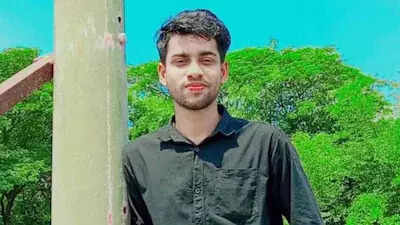
Who Was Samir Das ?
Samir Kumar Das earned his livelihood driving a battery-operated auto-rickshaw in his community. The eldest son of Kartik Kumar Das and Rina Rani Das, Samir was known as a hardworking young man who supported his family through long hours on the streets of Feni. Friends and neighbours remember him as reliable, responsible, and committed to his work.
What Happened?
According to local police, Samir left home on Sunday evening in his auto-rickshaw and did not return. Concerned family members alerted authorities when he failed to come back. Early Monday morning, villagers discovered his blood-soaked body in a field near Muhuri Bari village.
Police said Samir suffered multiple stab wounds and signs of severe assault. His attackers also stole his battery-operated auto-rickshaw and fled the scene.
Police Response
Officers from Daganbhuiyan Police Station recovered Samir’s body and sent it to Feni General Hospital for an autopsy. Officer-in-Charge Mohammad Fayzul Azim stated that a special operation has been launched to identify the perpetrators and recover the stolen vehicle. Authorities are investigating whether the assault began as a robbery or had other motives. No arrests have been made so far.
Rising Violence Against Hindu Minorities
Samir’s murder comes amid a worrying pattern of attacks on Hindu communities in Bangladesh. Human rights groups, including the Bangladesh Hindu Buddhist Christian Unity Council, have highlighted a surge in minority-targeted violence in recent weeks, especially with political tensions rising ahead of national elections in February. Multiple Hindu men have also been attacked or killed in different parts of the country in recent weeks.
Concerns Over Safety
Human rights activists have condemned the killing and urged authorities to ensure the protection of minority citizens. They warn that such attacks create fear and insecurity among Hindu families, many of whom already face discrimination and social marginalisation. The council has called for urgent government action to curb communal violence and deliver justice to victims.
International Reaction
India has expressed concern over the rising attacks on minorities in neighbouring Bangladesh. Indian officials have urged Dhaka to address communal violence decisively and protect all religious communities. Critics argue that dismissing such incidents as personal disputes without accountability emboldens perpetrators and increases fear among minorities. Bangladesh’s interim government has acknowledged the violence but described many incidents as isolated rather than indicative of systemic communal conflict.
Samir Das’s death is a stark reminder of the ongoing risks faced by minority communities in Bangladesh and has reignited calls for stronger protection measures to ensure safety and justice.
Who Was Samir Das ?
Samir Kumar Das earned his livelihood driving a battery-operated auto-rickshaw in his community. The eldest son of Kartik Kumar Das and Rina Rani Das, Samir was known as a hardworking young man who supported his family through long hours on the streets of Feni. Friends and neighbours remember him as reliable, responsible, and committed to his work.
What Happened?
According to local police, Samir left home on Sunday evening in his auto-rickshaw and did not return. Concerned family members alerted authorities when he failed to come back. Early Monday morning, villagers discovered his blood-soaked body in a field near Muhuri Bari village.
Police said Samir suffered multiple stab wounds and signs of severe assault. His attackers also stole his battery-operated auto-rickshaw and fled the scene.
Police Response
Officers from Daganbhuiyan Police Station recovered Samir’s body and sent it to Feni General Hospital for an autopsy. Officer-in-Charge Mohammad Fayzul Azim stated that a special operation has been launched to identify the perpetrators and recover the stolen vehicle. Authorities are investigating whether the assault began as a robbery or had other motives. No arrests have been made so far.
You may also like
- GATE 2026 Admit Card released at gate2026.iitg.ac.in; check steps to download and more
- Attack on Tamil culture: LoP Gandhi criticizes Centre over Vijay's 'Jana Nayagan' certification delay
- PhonePe, HDFC co-branded credit card: Rewards that fit your everyday spending
- Global chip revenue touches $793 billion in 2025 led by AI semiconductors
- Excise case: Delhi HC posts for May 8 hearing on ED plea against bail to Kejriwal
Rising Violence Against Hindu Minorities
Samir’s murder comes amid a worrying pattern of attacks on Hindu communities in Bangladesh. Human rights groups, including the Bangladesh Hindu Buddhist Christian Unity Council, have highlighted a surge in minority-targeted violence in recent weeks, especially with political tensions rising ahead of national elections in February. Multiple Hindu men have also been attacked or killed in different parts of the country in recent weeks.
Concerns Over Safety
Human rights activists have condemned the killing and urged authorities to ensure the protection of minority citizens. They warn that such attacks create fear and insecurity among Hindu families, many of whom already face discrimination and social marginalisation. The council has called for urgent government action to curb communal violence and deliver justice to victims.
International Reaction
India has expressed concern over the rising attacks on minorities in neighbouring Bangladesh. Indian officials have urged Dhaka to address communal violence decisively and protect all religious communities. Critics argue that dismissing such incidents as personal disputes without accountability emboldens perpetrators and increases fear among minorities. Bangladesh’s interim government has acknowledged the violence but described many incidents as isolated rather than indicative of systemic communal conflict.
Samir Das’s death is a stark reminder of the ongoing risks faced by minority communities in Bangladesh and has reignited calls for stronger protection measures to ensure safety and justice.






More from our partners


Loving Newspoint? Download the app now
