
Why Conservation Is More Important Than Ever In Protecting Our Planet And Future Generations

Why Conservation Is Crucial In Today’s World: Conservation is no longer just an environmental concern; it has become a necessity for human survival and long-term stability. As natural resources continue to decline and ecosystems face increasing pressure, the need to protect and preserve the environment has gained urgency. From ensuring clean air and water to safeguarding wildlife and maintaining climate balance, conservation plays a vital role in sustaining life on Earth. It also directly influences economic systems, public health, and global development, making it an issue that affects everyone.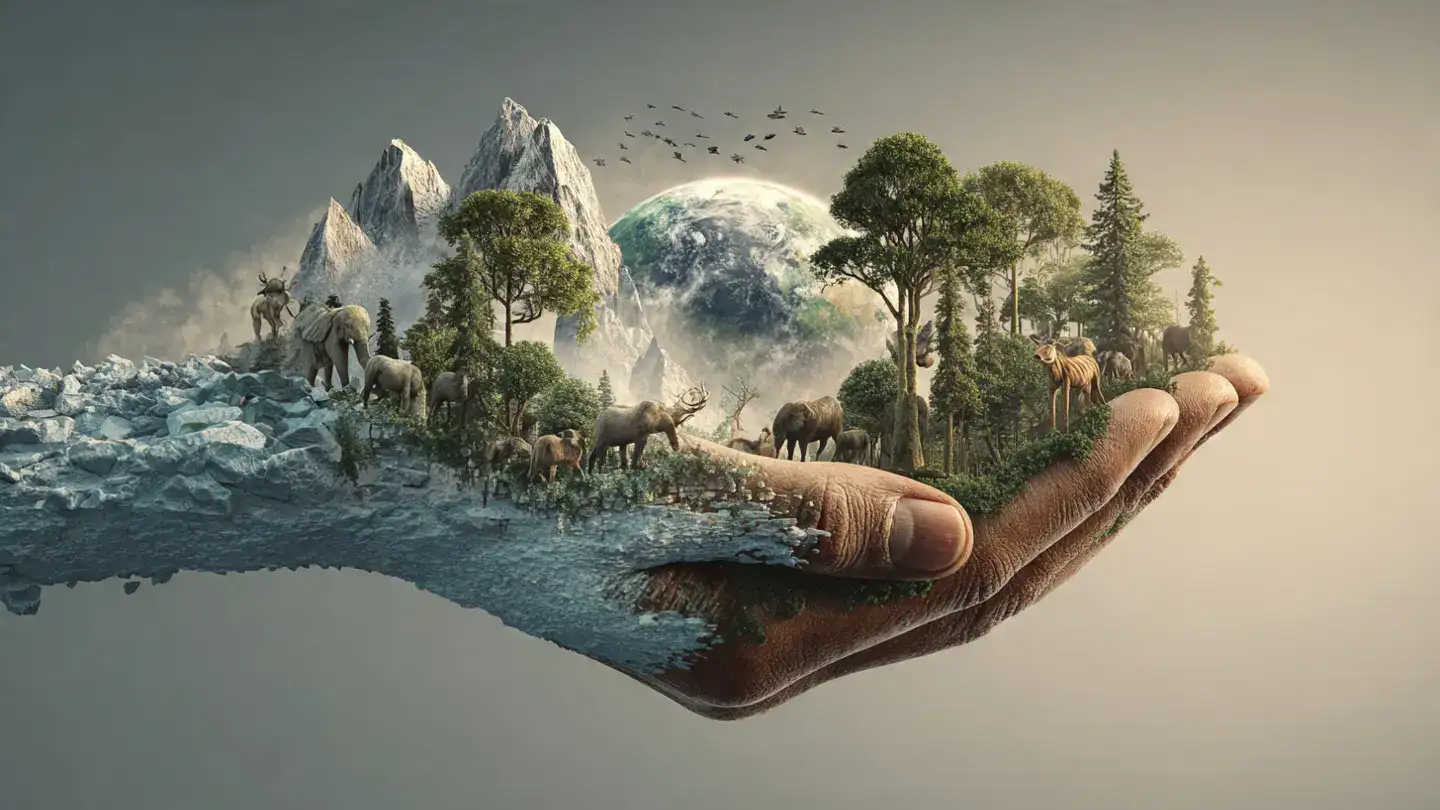
Biodiversity supports agriculture, medicine, and overall environmental health. Forests, oceans, and wetlands act as natural systems that regulate climate, filter pollutants, and provide essential resources. Without proper conservation efforts, these systems can degrade, leading to irreversible damage.
Deforestation and environmental degradation release stored carbon back into the atmosphere, accelerating climate change. By conserving natural habitats and promoting sustainable practices, societies can mitigate these effects and work towards a more stable climate.
Sustainable living practices, including efficient water use, waste reduction, and renewable energy adoption, are closely linked to conservation. These approaches help reduce environmental impact while supporting long-term growth and stability.
Additionally, conservation efforts create employment opportunities in areas such as wildlife management, environmental research, and eco-tourism. Communities that depend on natural resources benefit directly from sustainable practices, improving their quality of life and resilience.
Awareness and education are key to driving change. When people understand the impact of their actions, they are more likely to adopt sustainable habits. Collective efforts at the individual level can contribute significantly to larger conservation goals.
Protecting natural resources, preserving biodiversity, and adopting sustainable practices are essential steps towards securing a balanced and thriving planet. By prioritising conservation today, we can ensure a healthier environment and a more stable future for generations to come.
Image Courtesy: Meta AI
Protecting Biodiversity And Ecosystems
One of the most important aspects of conservation is the protection of biodiversity. The planet is home to millions of species, each playing a specific role in maintaining ecological balance. When ecosystems are disturbed, it can lead to the loss of species, disrupting food chains and natural processes.Biodiversity supports agriculture, medicine, and overall environmental health. Forests, oceans, and wetlands act as natural systems that regulate climate, filter pollutants, and provide essential resources. Without proper conservation efforts, these systems can degrade, leading to irreversible damage.
Combating Climate Change Through Conservation
Conservation plays a significant role in addressing climate change. Natural ecosystems such as forests, grasslands, and oceans act as carbon sinks, absorbing large amounts of carbon dioxide from the atmosphere. Protecting these areas helps reduce greenhouse gas levels and slows global warming.Deforestation and environmental degradation release stored carbon back into the atmosphere, accelerating climate change. By conserving natural habitats and promoting sustainable practices, societies can mitigate these effects and work towards a more stable climate.
Ensuring Sustainable Use Of Natural Resources
Natural resources such as water, soil, and minerals are essential for human survival and economic development. However, overuse and mismanagement have placed immense pressure on these resources. Conservation promotes responsible use, ensuring that resources are available not only for the present but also for future generations.Sustainable living practices, including efficient water use, waste reduction, and renewable energy adoption, are closely linked to conservation. These approaches help reduce environmental impact while supporting long-term growth and stability.
Economic And Social Benefits Of Conservation
Conservation is not just about protecting nature; it also has significant economic and social benefits. Industries such as agriculture, fisheries, and tourism rely heavily on healthy ecosystems. Degraded environments can lead to reduced productivity and economic losses.Additionally, conservation efforts create employment opportunities in areas such as wildlife management, environmental research, and eco-tourism. Communities that depend on natural resources benefit directly from sustainable practices, improving their quality of life and resilience.
The Role Of Individuals In Conservation
While governments and organisations play a major role, individual actions are equally important in promoting conservation. Simple steps such as reducing waste, conserving water, using public transport, and supporting eco-friendly products can make a meaningful difference.Awareness and education are key to driving change. When people understand the impact of their actions, they are more likely to adopt sustainable habits. Collective efforts at the individual level can contribute significantly to larger conservation goals.
A Shared Responsibility For The Future
Conservation is a shared responsibility that requires collaboration between individuals, communities, and governments. As environmental challenges continue to grow, the need for immediate and sustained action becomes more critical.Protecting natural resources, preserving biodiversity, and adopting sustainable practices are essential steps towards securing a balanced and thriving planet. By prioritising conservation today, we can ensure a healthier environment and a more stable future for generations to come.
Image Courtesy: Meta AI
Next Story