
Why Sea Ice Is Essential For Polar Bears And How Its Loss Threatens Their Survival In The Arctic

The Hidden Connection Between Polar Bears And Sea Ice That Keeps The Arctic Ecosystem Balanced: Article
In the frozen landscapes of the Arctic, polar bears have evolved to thrive in one of the harshest environments on Earth. Their survival, however, is closely tied to a natural feature that may seem simple but plays a vital role in their daily life: sea ice. Unlike land-based habitats used by many other animals, polar bears rely on the floating platforms of sea ice to hunt, travel and reproduce. Without it, their ability to access food and sustain their population becomes extremely difficult. Understanding why sea ice is essential for polar bears helps reveal how delicate the balance of Arctic ecosystems truly is.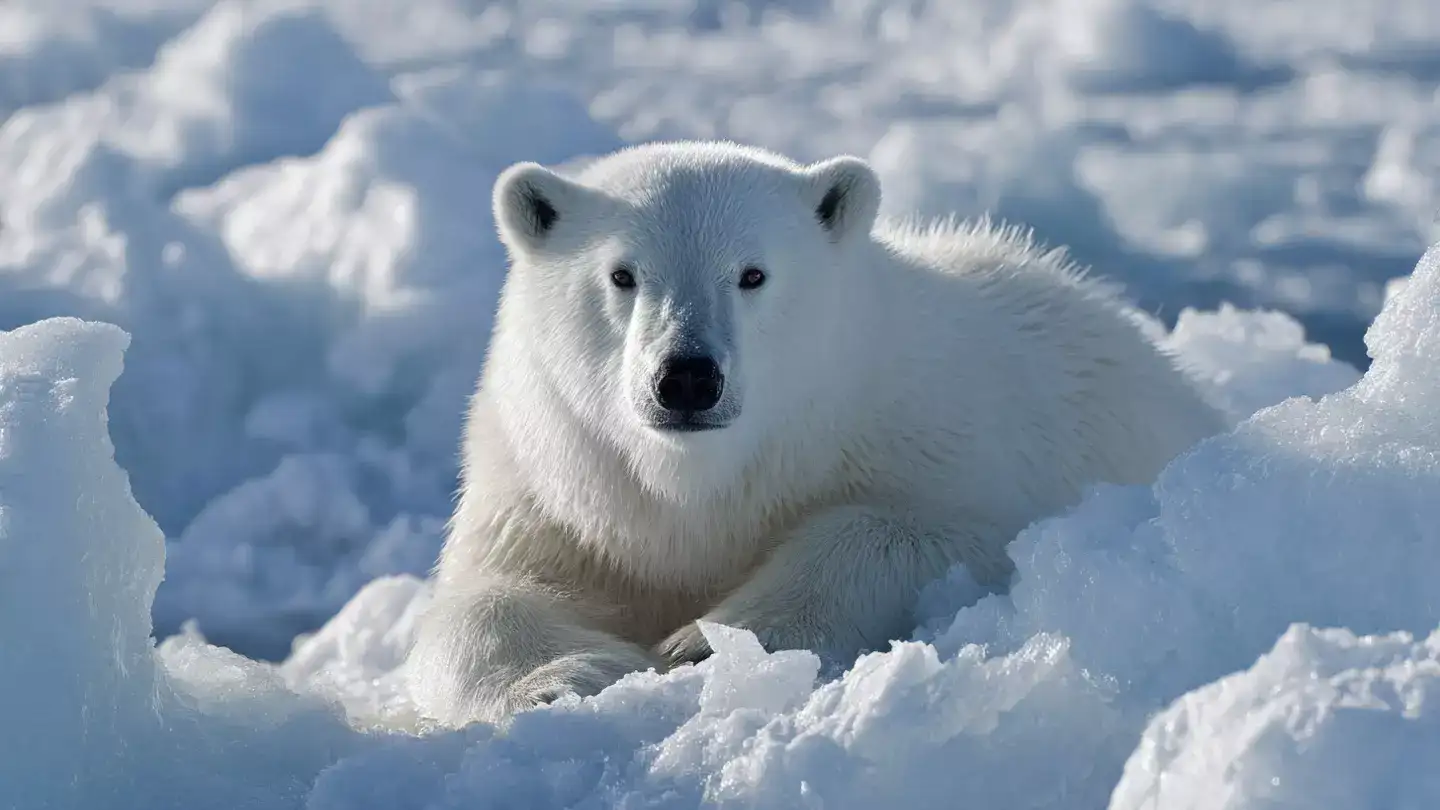
Seals frequently come to the surface through breathing holes in the ice. Polar bears patiently wait near these openings, using their powerful sense of smell and keen awareness to detect movement below. When a seal emerges, the bear can quickly strike.
Without sea ice, polar bears would struggle to hunt effectively. Although they are strong swimmers, catching seals in open water is extremely difficult. The ice provides the strategic advantage they need to secure their main food source and maintain the energy required for survival in the Arctic climate.
By walking across frozen surfaces, polar bears can cover long distances with far less energy than swimming continuously. This mobility is especially important because seal populations are not evenly distributed. Bears often travel between hunting areas using the ice as natural pathways.
Although polar bears are capable swimmers and can travel many kilometres in water, extended swimming requires significant energy and can be risky, particularly for younger bears. Sea ice therefore plays a critical role in helping them conserve energy during long journeys.
Mother bears guide their cubs onto the ice to begin hunting and exploring the Arctic environment. The ice offers access to seal populations, which provide the high-fat diet needed for the cubs’ rapid growth.
Young polar bears also learn essential survival skills while travelling with their mothers across the sea ice. These early experiences help them understand hunting strategies, navigation and the behaviour of prey species.
Seals rely on sea ice for resting, breeding and protecting their young. Since polar bears depend heavily on seals as their primary prey, the availability of sea ice directly affects the food supply of these powerful predators.
In this way, sea ice connects multiple species within the Arctic ecosystem. Changes to ice conditions can ripple through the entire food web, affecting animals at many different levels.
Polar bears have adapted to these seasonal patterns over thousands of years. They typically hunt most actively during periods when sea ice is abundant and seals are easier to access. When ice levels decline seasonally, some bears spend time on land, conserving energy until conditions improve.
However, the balance between ice growth and melting remains crucial. Stable and predictable sea ice cycles help maintain the hunting opportunities that polar bears rely on each year.
The relationship between polar bears and sea ice illustrates how closely wildlife can depend on specific environmental conditions. The Arctic may appear vast and unchanging, but the delicate systems within it support some of the most specialised animals on the planet.
By understanding the role sea ice plays in polar bear survival, we gain a clearer picture of how interconnected the natural world truly is. In the Arctic, the presence of sea ice continues to shape the lives of polar bears and the broader ecosystem they inhabit.
Image Courtesy: Meta AI
In the frozen landscapes of the Arctic, polar bears have evolved to thrive in one of the harshest environments on Earth. Their survival, however, is closely tied to a natural feature that may seem simple but plays a vital role in their daily life: sea ice. Unlike land-based habitats used by many other animals, polar bears rely on the floating platforms of sea ice to hunt, travel and reproduce. Without it, their ability to access food and sustain their population becomes extremely difficult. Understanding why sea ice is essential for polar bears helps reveal how delicate the balance of Arctic ecosystems truly is.
Sea Ice As A Hunting Platform
One of the most important reasons polar bears need sea ice is for hunting. These large predators primarily feed on seals, especially species that live and breed in icy Arctic waters. Sea ice acts as a stable platform from which polar bears can search for and capture their prey.Seals frequently come to the surface through breathing holes in the ice. Polar bears patiently wait near these openings, using their powerful sense of smell and keen awareness to detect movement below. When a seal emerges, the bear can quickly strike.
Without sea ice, polar bears would struggle to hunt effectively. Although they are strong swimmers, catching seals in open water is extremely difficult. The ice provides the strategic advantage they need to secure their main food source and maintain the energy required for survival in the Arctic climate.
Travel And Movement Across The Arctic
Sea ice also serves as an essential transportation network for polar bears. The Arctic Ocean is vast, and sea ice allows bears to move efficiently across large areas while searching for food, mates and suitable habitats.By walking across frozen surfaces, polar bears can cover long distances with far less energy than swimming continuously. This mobility is especially important because seal populations are not evenly distributed. Bears often travel between hunting areas using the ice as natural pathways.
Although polar bears are capable swimmers and can travel many kilometres in water, extended swimming requires significant energy and can be risky, particularly for younger bears. Sea ice therefore plays a critical role in helping them conserve energy during long journeys.
A Safe Environment For Raising Cubs
Sea ice indirectly supports polar bear reproduction as well. Female polar bears give birth to their cubs in snow dens that are typically built on land or stable sea ice near the coast. However, once the cubs leave the den, the surrounding sea ice becomes vital for their survival.Mother bears guide their cubs onto the ice to begin hunting and exploring the Arctic environment. The ice offers access to seal populations, which provide the high-fat diet needed for the cubs’ rapid growth.
Young polar bears also learn essential survival skills while travelling with their mothers across the sea ice. These early experiences help them understand hunting strategies, navigation and the behaviour of prey species.
Sea Ice Supports The Arctic Food Chain
The importance of sea ice goes beyond polar bears alone. It forms a foundation for the entire Arctic marine ecosystem. Tiny organisms grow on and beneath the ice, forming the base of a food chain that supports fish, seals and ultimately polar bears.Seals rely on sea ice for resting, breeding and protecting their young. Since polar bears depend heavily on seals as their primary prey, the availability of sea ice directly affects the food supply of these powerful predators.
In this way, sea ice connects multiple species within the Arctic ecosystem. Changes to ice conditions can ripple through the entire food web, affecting animals at many different levels.
The Seasonal Nature Of Arctic Ice
Sea ice naturally expands and retreats with the changing seasons. During winter, colder temperatures allow the ice to spread across large areas of the Arctic Ocean. In summer, some of this ice melts or breaks apart.Polar bears have adapted to these seasonal patterns over thousands of years. They typically hunt most actively during periods when sea ice is abundant and seals are easier to access. When ice levels decline seasonally, some bears spend time on land, conserving energy until conditions improve.
However, the balance between ice growth and melting remains crucial. Stable and predictable sea ice cycles help maintain the hunting opportunities that polar bears rely on each year.
Why Sea Ice Is A Lifeline For Polar Bears
For polar bears, sea ice is far more than just a frozen surface. It functions as their hunting ground, travel route and connection to the Arctic food web. Without it, these animals would face significant challenges in obtaining the food and energy needed to survive.The relationship between polar bears and sea ice illustrates how closely wildlife can depend on specific environmental conditions. The Arctic may appear vast and unchanging, but the delicate systems within it support some of the most specialised animals on the planet.
By understanding the role sea ice plays in polar bear survival, we gain a clearer picture of how interconnected the natural world truly is. In the Arctic, the presence of sea ice continues to shape the lives of polar bears and the broader ecosystem they inhabit.
Image Courtesy: Meta AI
Next Story