From Girlboss To Rizz: Merriam-Webster Dictionary Embraces 690 Gen Z Terms – How Many Are in Your Vocabulary?

In an era defined by rapid technological advancements and ever-evolving communication styles, the English language has been irrevocably influenced by the digital native generation. Merriam-Webster, the renowned dictionary authority, has embraced this linguistic transformation by recently incorporating 690 Gen Z terms into its official lexicon. These additions reflect the profound impact of social media and internet culture on contemporary language usage. In this article, we delve into this linguistic revolution and explore some of the intriguing Gen Z terms that have now become part of the English language.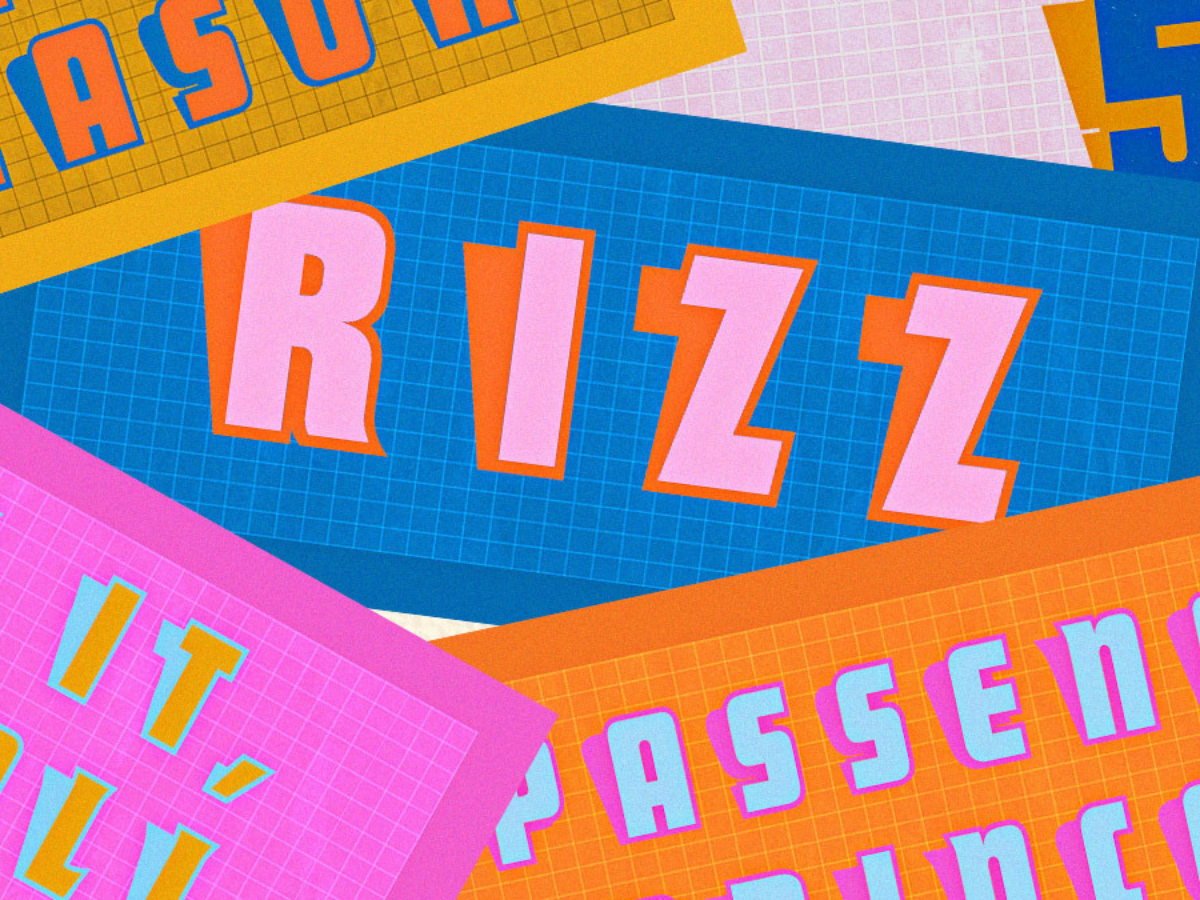
A Digital Lexicon for a Digital Age
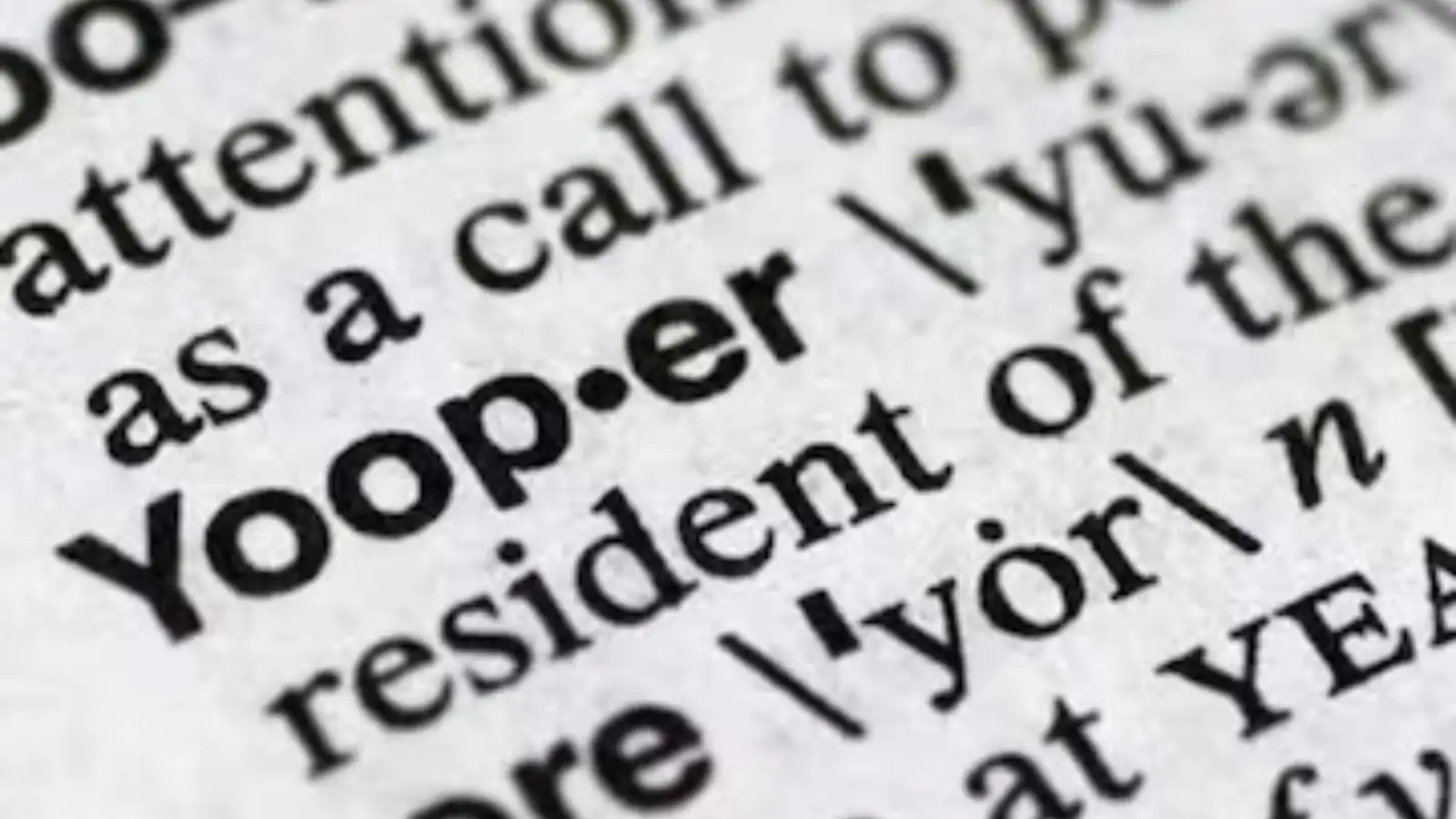
The digital age has ushered in a plethora of new vocabulary, much of which is born and propagated on social media platforms such as TikTok and Twitter. Merriam-Webster's decision to add these terms signifies the ever-expanding influence of the internet on our daily lives, with the language of social media now gaining official recognition.
Exploring the Lexicon of Gen Z
To provide a glimpse into this newly embraced lexicon, let's take a closer look at some of the Gen Z terms that have secured their place in the dictionary. For instance, the word "grammable" now denotes something worthy of being posted on Instagram , highlighting the significance of visual content in today's culture. Another notable addition is the term "thirst trap," referring to content or actions designed to attract attention, often in a provocative or alluring manner.
Expanding the Vocabulary
In addition to the creation of entirely new terms, Gen Z has redefined existing words and phrases to better suit their digital world. For example, "doggo" now serves as a playful synonym for a dog, while "jorts" describes shorts made from denim, blending "jeans" and "shorts." Even the mundane "meh" has been transformed into "mid" in Gen Z's lexicon.
Challenging the Traditional Dictionary
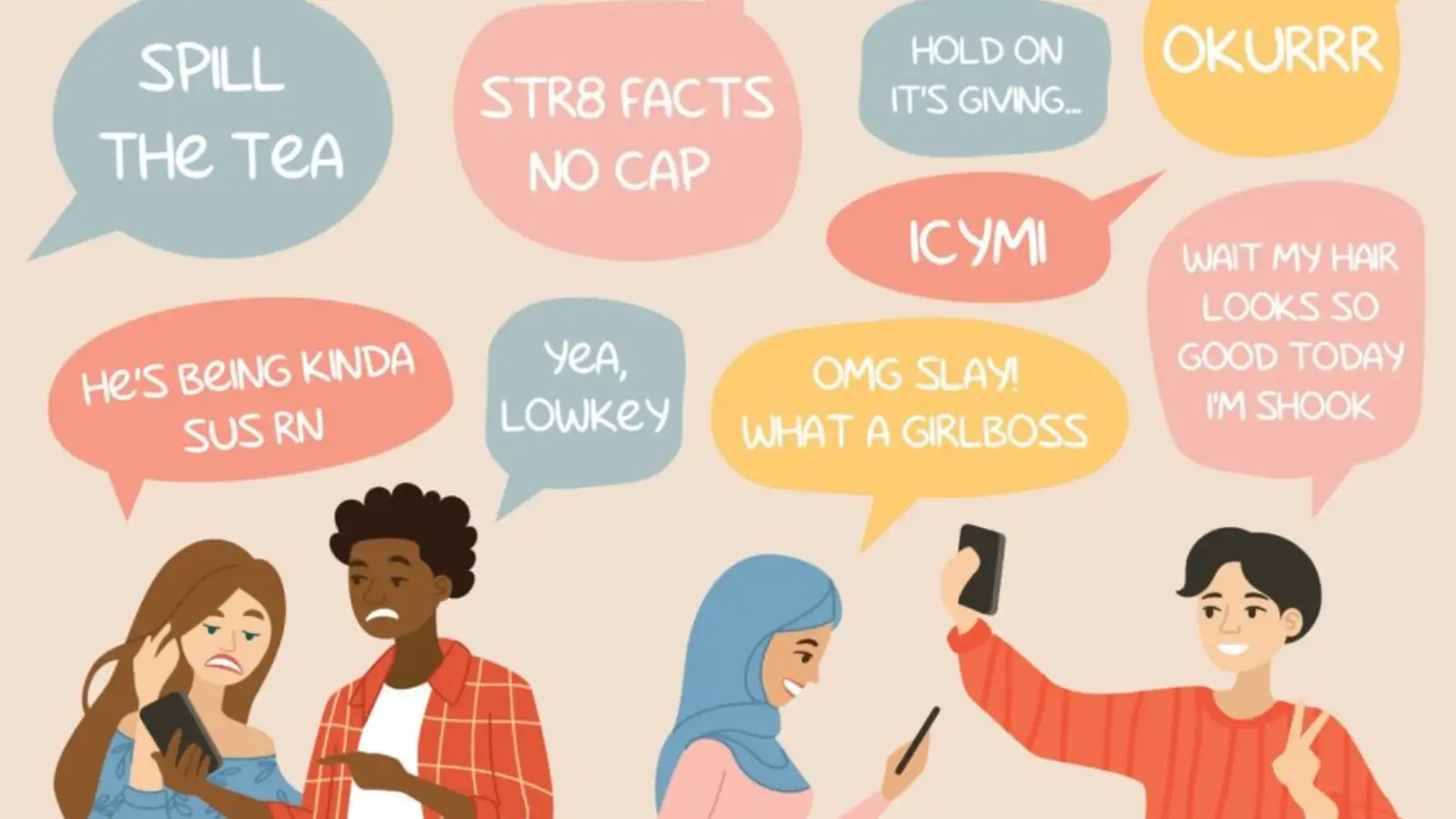
These linguistic additions may seem unconventional to some, particularly those from older generations. Terms like "rizz" (denoting charisma), "zhuzh" (meaning to make something stylish), and "smishing" (referring to fraudulent messages) might leave traditionalists reaching for the dictionary repeatedly. However, they have successfully secured their place in the official American English language, as recognized by the Merriam-Webster dictionary .
The Criteria for Lexical Inclusion
Peter Sokolowski, editor at Merriam-Webster, expressed excitement about these new linguistic additions, stating, “We’re very excited by this new batch of words. We hope there is as much insight and satisfaction in reading them as we got in defining them.” The dictionary has outlined specific criteria for a word to qualify as an official term, emphasizing its significance to the English language, widespread usage, consistency in spoken and written communication, and its adoption by a large number of people.
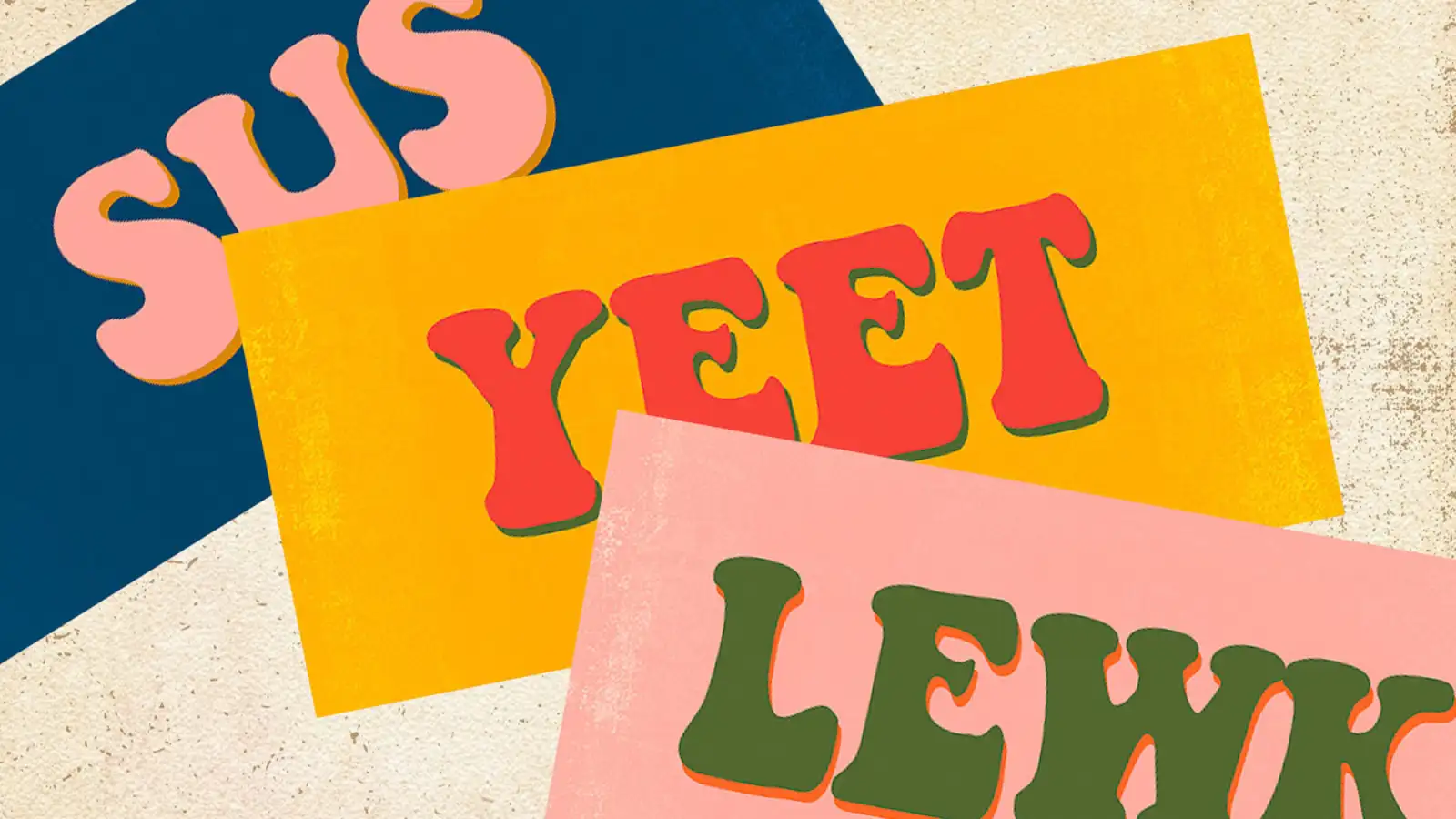
In a world where language evolves at the pace of technology, Merriam-Webster's acknowledgement of Gen Z's linguistic contributions reinforces the dynamic nature of English. As we navigate the digital age, this lexicon serves as a testament to the enduring power of words to capture the essence of our ever-changing world.
GENZ News is the ultimate destination for the trend-savvy generation! Stay on top of the GenZ news with India's first and the only product for GENZs.
A Digital Lexicon for a Digital Age
The digital age has ushered in a plethora of new vocabulary, much of which is born and propagated on social media platforms such as TikTok and Twitter. Merriam-Webster's decision to add these terms signifies the ever-expanding influence of the internet on our daily lives, with the language of social media now gaining official recognition.
Exploring the Lexicon of Gen Z
To provide a glimpse into this newly embraced lexicon, let's take a closer look at some of the Gen Z terms that have secured their place in the dictionary. For instance, the word "grammable" now denotes something worthy of being posted on Instagram , highlighting the significance of visual content in today's culture. Another notable addition is the term "thirst trap," referring to content or actions designed to attract attention, often in a provocative or alluring manner.
Expanding the Vocabulary
In addition to the creation of entirely new terms, Gen Z has redefined existing words and phrases to better suit their digital world. For example, "doggo" now serves as a playful synonym for a dog, while "jorts" describes shorts made from denim, blending "jeans" and "shorts." Even the mundane "meh" has been transformed into "mid" in Gen Z's lexicon.
You may also like
- Lululemon founder Chip Wilson launches proxy fight for board shakeup
 NITI Aayog report on globalisation of higher education lauds Gujarat's early push through GBU
- Congress hails Supreme Court directions on Kuldeep Sengar, Aravalli
- Abhishek Banerjee welcomes ECI's decision to conduct SIR hearings at residences of select categories of voters
- Anjel killing: U'khand cops accused of FIR delay

Challenging the Traditional Dictionary
These linguistic additions may seem unconventional to some, particularly those from older generations. Terms like "rizz" (denoting charisma), "zhuzh" (meaning to make something stylish), and "smishing" (referring to fraudulent messages) might leave traditionalists reaching for the dictionary repeatedly. However, they have successfully secured their place in the official American English language, as recognized by the Merriam-Webster dictionary .
The Criteria for Lexical Inclusion
Peter Sokolowski, editor at Merriam-Webster, expressed excitement about these new linguistic additions, stating, “We’re very excited by this new batch of words. We hope there is as much insight and satisfaction in reading them as we got in defining them.” The dictionary has outlined specific criteria for a word to qualify as an official term, emphasizing its significance to the English language, widespread usage, consistency in spoken and written communication, and its adoption by a large number of people.
In a world where language evolves at the pace of technology, Merriam-Webster's acknowledgement of Gen Z's linguistic contributions reinforces the dynamic nature of English. As we navigate the digital age, this lexicon serves as a testament to the enduring power of words to capture the essence of our ever-changing world.
GENZ News is the ultimate destination for the trend-savvy generation! Stay on top of the GenZ news with India's first and the only product for GENZs.






More from our partners


Loving Newspoint? Download the app now
