How Potholes & Rough Roads Can Wreck Your Car If You Ignore The Warning Signs

Driving on poorly maintained roads can do more harm to your vehicle than you might realise. From deep potholes to uneven surfaces and loose gravel, bad roads create multiple problems for cars, affecting everything from suspension to tyres and alignment. While many drivers brush off minor jolts and vibrations as insignificant, continued exposure to rough roads can lead to severe and costly repairs. Ignoring the effects of poor road conditions not only increases maintenance expenses but can also compromise your safety. Understanding how these issues develop and what you can do to prevent them will save you money and keep your car in good shape.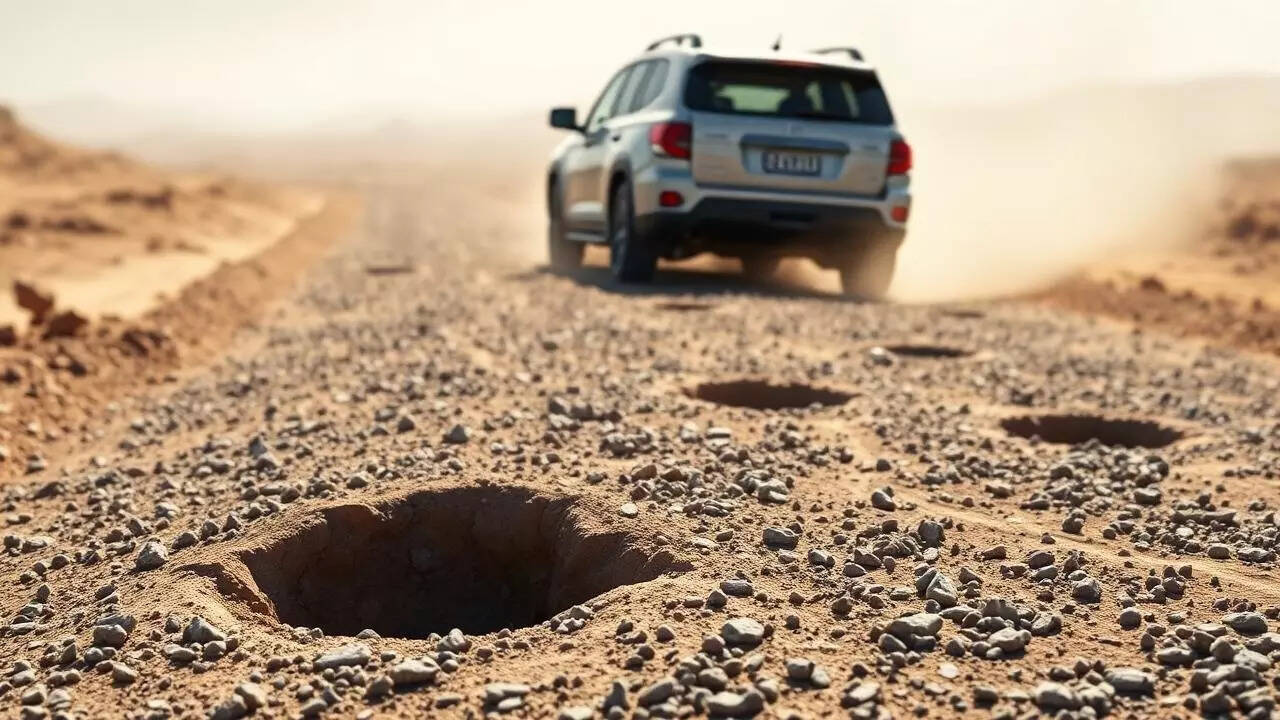
Suspension System Damage
The suspension system is one of the first components to suffer when driving on rough roads. Potholes, bumps and uneven surfaces put immense strain on the shock absorbers, struts and springs. The suspension is designed to absorb shocks and keep the car stable, but repeated exposure to poor road conditions weakens its ability to function properly. If left unchecked, you may experience a rougher ride, poor handling and reduced control over your vehicle. Suspension repairs can be expensive, so regular checks and careful driving can prevent unnecessary damage.
Tyre Wear and Blowouts
Tyres take the brunt of the impact when driving over bad roads. Potholes and sharp road debris can cause punctures, sidewall bulges and uneven tread wear. Continuous driving on damaged roads reduces tyre lifespan, leading to frequent replacements. Underinflated or overinflated tyres are more vulnerable to damage, so maintaining the correct tyre pressure is crucial. Ignoring tyre wear increases the risk of blowouts, especially at high speeds, which can be extremely dangerous. Regular tyre inspections and careful driving help prevent unexpected failures.
Wheel Alignment and Steering Issues
Bad roads can throw your car’s alignment out of balance, causing it to pull to one side while driving. Misaligned wheels not only make handling difficult but also lead to uneven tyre wear and reduced fuel efficiency. Steering components, including the tie rods and ball joints, can also suffer damage, making it harder to control the vehicle. If you notice your steering wheel vibrating, difficulty turning or the car drifting without input, it is time to check the alignment. Driving on well-maintained roads and avoiding potholes whenever possible will help preserve proper alignment.
Undercarriage and Exhaust System Damage
The undercarriage of a car is particularly vulnerable to damage from rough roads. Large potholes and debris can cause dents, cracks or even punctures to the exhaust system, oil pan and fuel lines. These issues can lead to fluid leaks, reduced engine efficiency and increased emissions. If the exhaust system is damaged, it can produce excessive noise and harmful fumes, creating safety hazards for both the driver and the environment. Inspecting the undercarriage regularly and avoiding deep potholes can prevent serious mechanical failures.
Brake System Strain
Brakes are crucial for vehicle safety, but rough roads can put extra strain on them. Frequent braking due to sudden obstacles, potholes or uneven surfaces wears down brake pads and rotors faster than normal. If you hear grinding noises or experience reduced braking efficiency, it could indicate brake damage. Faulty brakes increase stopping distances, making it more difficult to react to sudden hazards. Routine brake inspections and smooth driving habits can help prevent premature wear and ensure your car remains safe on the road.
Fuel Efficiency and Engine Stress
Bad roads force the engine to work harder, leading to increased fuel consumption. When a car constantly encounters resistance from rough surfaces, its engine has to generate more power to maintain speed, reducing fuel efficiency. Additionally, frequent stops, sudden acceleration and abrupt braking caused by road obstacles put unnecessary strain on the engine and transmission. Over time, this extra stress can lead to overheating, worn-out engine components and costly repairs. Driving at a steady pace and avoiding aggressive manoeuvres can help mitigate these effects.
Preventive Measures to Protect Your Car
While you cannot always avoid bad roads, you can take measures to minimise damage to your vehicle. Always drive at a moderate speed on rough surfaces to reduce impact force. Keep your tyres properly inflated and check for wear regularly. Get your suspension, alignment and undercarriage inspected after driving on particularly rough roads. If you frequently drive in areas with poor road conditions, consider investing in higher-quality shock absorbers and durable tyres. Lastly, report damaged roads to local authorities to help improve road conditions for everyone.
Ignoring the effects of rough roads on your car can lead to serious mechanical issues and costly repairs. From suspension problems to tyre blowouts and misaligned wheels, poor road conditions take a heavy toll on vehicles over time. Regular maintenance, careful driving and proactive inspections can help you avoid unnecessary expenses and keep your car in top condition. By staying aware of how bad roads affect your vehicle and taking preventive measures, you can ensure a smoother and safer driving experience.
Suspension System Damage
The suspension system is one of the first components to suffer when driving on rough roads. Potholes, bumps and uneven surfaces put immense strain on the shock absorbers, struts and springs. The suspension is designed to absorb shocks and keep the car stable, but repeated exposure to poor road conditions weakens its ability to function properly. If left unchecked, you may experience a rougher ride, poor handling and reduced control over your vehicle. Suspension repairs can be expensive, so regular checks and careful driving can prevent unnecessary damage.
Tyre Wear and Blowouts
Tyres take the brunt of the impact when driving over bad roads. Potholes and sharp road debris can cause punctures, sidewall bulges and uneven tread wear. Continuous driving on damaged roads reduces tyre lifespan, leading to frequent replacements. Underinflated or overinflated tyres are more vulnerable to damage, so maintaining the correct tyre pressure is crucial. Ignoring tyre wear increases the risk of blowouts, especially at high speeds, which can be extremely dangerous. Regular tyre inspections and careful driving help prevent unexpected failures.
Wheel Alignment and Steering Issues
Bad roads can throw your car’s alignment out of balance, causing it to pull to one side while driving. Misaligned wheels not only make handling difficult but also lead to uneven tyre wear and reduced fuel efficiency. Steering components, including the tie rods and ball joints, can also suffer damage, making it harder to control the vehicle. If you notice your steering wheel vibrating, difficulty turning or the car drifting without input, it is time to check the alignment. Driving on well-maintained roads and avoiding potholes whenever possible will help preserve proper alignment.
Undercarriage and Exhaust System Damage
The undercarriage of a car is particularly vulnerable to damage from rough roads. Large potholes and debris can cause dents, cracks or even punctures to the exhaust system, oil pan and fuel lines. These issues can lead to fluid leaks, reduced engine efficiency and increased emissions. If the exhaust system is damaged, it can produce excessive noise and harmful fumes, creating safety hazards for both the driver and the environment. Inspecting the undercarriage regularly and avoiding deep potholes can prevent serious mechanical failures.
Brake System Strain
Brakes are crucial for vehicle safety, but rough roads can put extra strain on them. Frequent braking due to sudden obstacles, potholes or uneven surfaces wears down brake pads and rotors faster than normal. If you hear grinding noises or experience reduced braking efficiency, it could indicate brake damage. Faulty brakes increase stopping distances, making it more difficult to react to sudden hazards. Routine brake inspections and smooth driving habits can help prevent premature wear and ensure your car remains safe on the road.
Fuel Efficiency and Engine Stress
Bad roads force the engine to work harder, leading to increased fuel consumption. When a car constantly encounters resistance from rough surfaces, its engine has to generate more power to maintain speed, reducing fuel efficiency. Additionally, frequent stops, sudden acceleration and abrupt braking caused by road obstacles put unnecessary strain on the engine and transmission. Over time, this extra stress can lead to overheating, worn-out engine components and costly repairs. Driving at a steady pace and avoiding aggressive manoeuvres can help mitigate these effects.
Preventive Measures to Protect Your Car
While you cannot always avoid bad roads, you can take measures to minimise damage to your vehicle. Always drive at a moderate speed on rough surfaces to reduce impact force. Keep your tyres properly inflated and check for wear regularly. Get your suspension, alignment and undercarriage inspected after driving on particularly rough roads. If you frequently drive in areas with poor road conditions, consider investing in higher-quality shock absorbers and durable tyres. Lastly, report damaged roads to local authorities to help improve road conditions for everyone.
Ignoring the effects of rough roads on your car can lead to serious mechanical issues and costly repairs. From suspension problems to tyre blowouts and misaligned wheels, poor road conditions take a heavy toll on vehicles over time. Regular maintenance, careful driving and proactive inspections can help you avoid unnecessary expenses and keep your car in top condition. By staying aware of how bad roads affect your vehicle and taking preventive measures, you can ensure a smoother and safer driving experience.
Next Story