
Understanding Your Dog's Behavior: 6 Potential Causes Of Avoidance And How To Reconnect

Dogs are known for their unconditional love and loyalty towards their owners. However, there may be times when you notice your furry companion is keeping its distance, avoiding you, or displaying unusual behaviour. Before you jump to conclusions, it's essential to understand that several factors can lead to your dog avoiding you. In this article, we will explore six common reasons for this behaviour and offer insights into how to address them.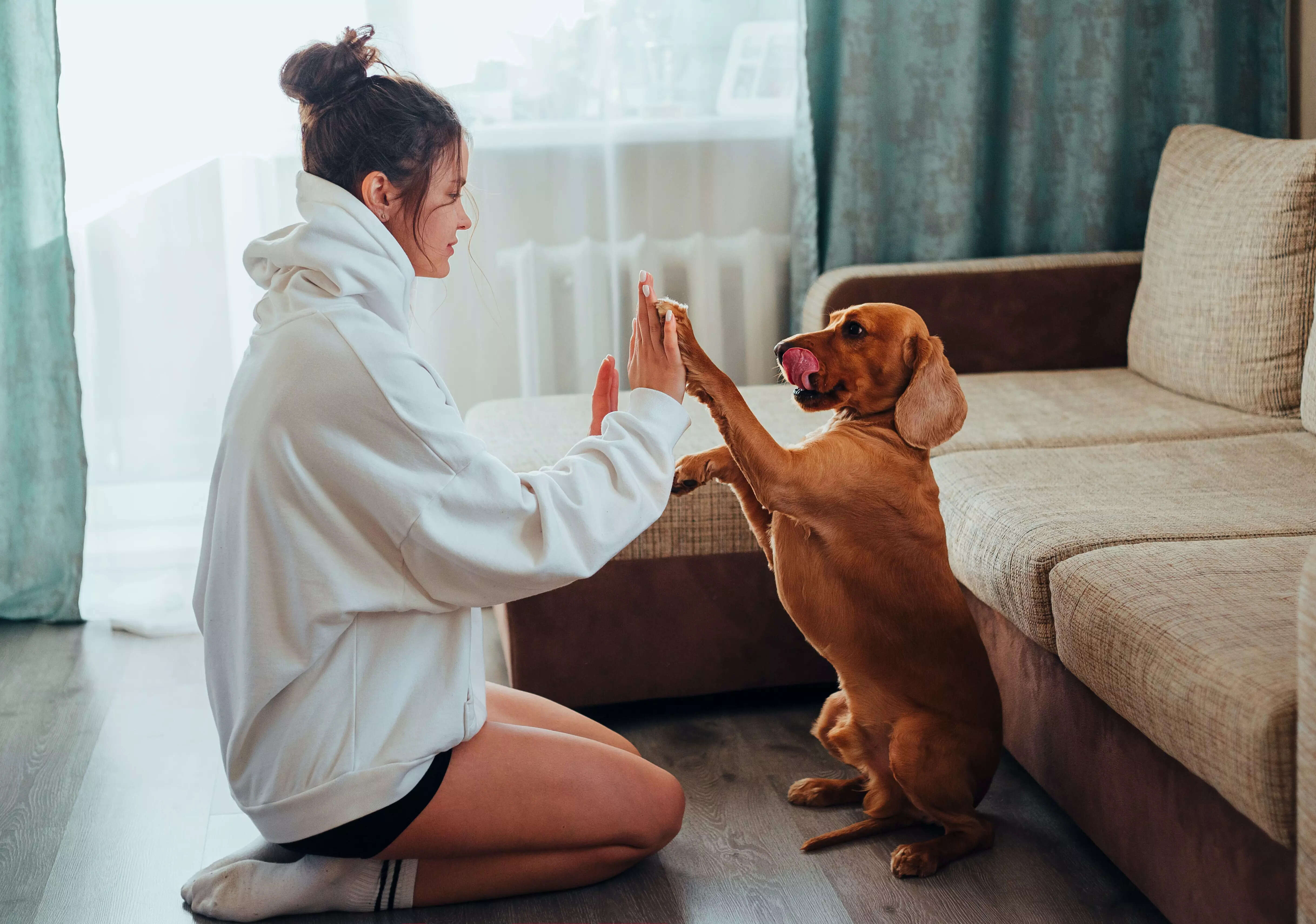
1. Health Issues:
One of the primary reasons your dog might be avoiding you is due to underlying health problems. Dogs often conceal their pain or discomfort, so if they suddenly become distant, it's crucial to consult with a veterinarian. Dental issues, joint pain, or illnesses can make your dog withdraw from interactions. Regular check-ups and prompt treatment can help your pet regain its usual affectionate self.
2. Stress and Anxiety:
Dogs, like humans, can experience stress and anxiety. Changes in their environment, routine, or exposure to loud noises like fireworks or thunderstorms can trigger anxiety. If your dog is avoiding you during such situations, creating a safe and comforting space for them, using calming techniques, or consulting a professional dog trainer or behaviourist can help alleviate their anxiety.
3. Negative Associations:
Dogs are sensitive to their surroundings, and if they associate certain actions or places with negative experiences, they may avoid those situations or you. For instance, if your dog associates bath time with discomfort, it might run and hide when you reach for the shampoo. To address this, try to create positive associations through rewards and gentle training.
4. Changes in Routine:
Dogs thrive on routine, and even minor changes can disrupt their sense of security. If your dog is avoiding you after a significant change in your schedule or living situation, it might be feeling unsettled. Gradually reintroducing a stable routine and offering extra comfort and attention can help your dog adjust.
5. Socialisation Issues:
Proper socialisation is crucial for dogs to develop well-adjusted behaviour. If your dog hasn't been adequately socialised with other dogs or people, it may exhibit avoidance behaviours when faced with unfamiliar situations or individuals. Encouraging positive interactions and gradually exposing your dog to new experiences can help build their confidence and reduce avoidance.
6. Previous Trauma or Abuse:
Dogs with a history of trauma or abuse may exhibit avoidance behaviours as a defence mechanism. They might avoid close contact with humans to protect themselves from perceived threats. If you suspect your dog has experienced trauma, it's essential to be patient, gentle, and consistent in building trust. Professional help from an animal behaviourist might also be necessary to help your dog overcome past experiences.
1. Health Issues:
One of the primary reasons your dog might be avoiding you is due to underlying health problems. Dogs often conceal their pain or discomfort, so if they suddenly become distant, it's crucial to consult with a veterinarian. Dental issues, joint pain, or illnesses can make your dog withdraw from interactions. Regular check-ups and prompt treatment can help your pet regain its usual affectionate self.
2. Stress and Anxiety:
Dogs, like humans, can experience stress and anxiety. Changes in their environment, routine, or exposure to loud noises like fireworks or thunderstorms can trigger anxiety. If your dog is avoiding you during such situations, creating a safe and comforting space for them, using calming techniques, or consulting a professional dog trainer or behaviourist can help alleviate their anxiety.
3. Negative Associations:
Dogs are sensitive to their surroundings, and if they associate certain actions or places with negative experiences, they may avoid those situations or you. For instance, if your dog associates bath time with discomfort, it might run and hide when you reach for the shampoo. To address this, try to create positive associations through rewards and gentle training.
4. Changes in Routine:
Dogs thrive on routine, and even minor changes can disrupt their sense of security. If your dog is avoiding you after a significant change in your schedule or living situation, it might be feeling unsettled. Gradually reintroducing a stable routine and offering extra comfort and attention can help your dog adjust.
5. Socialisation Issues:
Proper socialisation is crucial for dogs to develop well-adjusted behaviour. If your dog hasn't been adequately socialised with other dogs or people, it may exhibit avoidance behaviours when faced with unfamiliar situations or individuals. Encouraging positive interactions and gradually exposing your dog to new experiences can help build their confidence and reduce avoidance.
6. Previous Trauma or Abuse:
Dogs with a history of trauma or abuse may exhibit avoidance behaviours as a defence mechanism. They might avoid close contact with humans to protect themselves from perceived threats. If you suspect your dog has experienced trauma, it's essential to be patient, gentle, and consistent in building trust. Professional help from an animal behaviourist might also be necessary to help your dog overcome past experiences.
Next Story