What Skin Colour Changes Could Be Telling You About Your Health

The skin , one of the most sensitive parts of the human body, not only gives us our appearance but also plays a crucial role in sensation and temperature regulation. It can also indicate underlying health issues. Some skin color changes might be minor and temporary, while others could be alarming and indicative of more serious conditions. Ignoring these signs can be dangerous.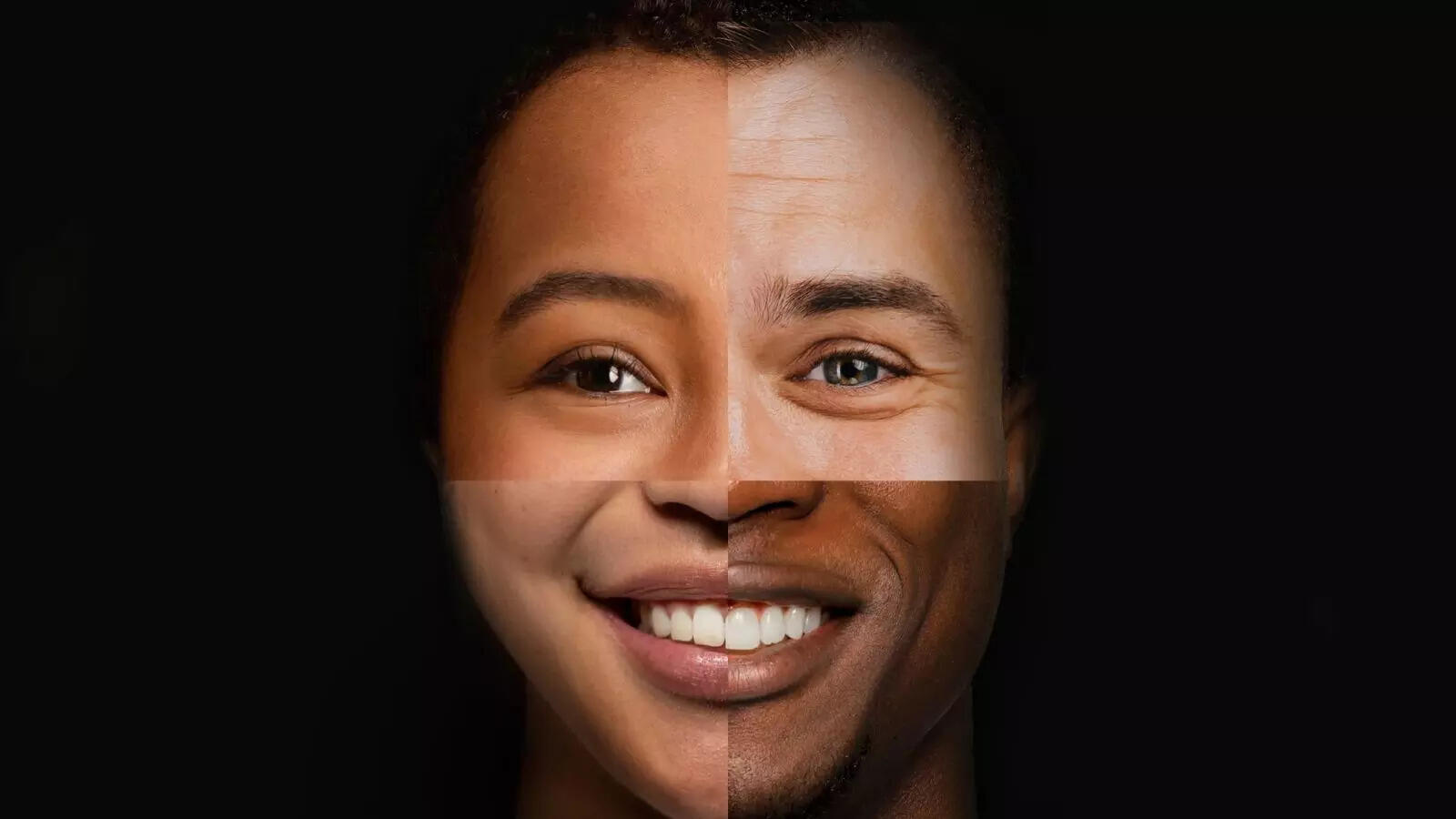
Post-Phototherapy Skin Color Changes
Many people experience changes in skin color after phototherapy, showing a visible difference in the treated area. The extent of this change can vary depending on the therapy and skin type. It is recommended to consult an expert to understand the nature and extent of the color difference and take appropriate action.
Noticing Changes in Skin Color?
You might notice your skin becoming darker or paler, or even turning yellow, purple, or pink without any obvious reason. These changes should not be ignored as they could signal severe health problems . Let's explore the various causes of skin color changes and the possible treatments.
Causes of Skin Color Changes
Allergic Reactions
Allergic reactions are a common cause of skin color changes, often resulting in red or pink patches. These reactions can be triggered by certain foods or chemicals in cosmetics, leading to bumpy, inflamed, or itchy skin. Atopic dermatitis and contact dermatitis are examples of conditions that can cause such reactions.
Infections
Infections can lead to changes in skin color. For instance, untreated wounds can become infected, causing noticeable skin color changes. Sunburns and rashes can also contribute to these changes.
Hypo or Hyperpigmentation Disorders
Pigmentation disorders can cause the skin to become patchy, lighter (hypopigmentation), or darker (hyperpigmentation). Conditions like melasma, vitiligo, and albinism fall into this category. These changes can also occur after phototherapy.
Medical Conditions
Autoimmune diseases such as psoriasis, lupus, and stasis ulcers can cause the immune system to attack the body's tissues, resulting in redness, inflammation, and skin color changes.
Other Causes
Other factors that can cause skin color changes include cancer treatments, radiation, burst blood vessels, spider or varicose veins, stress, medication side effects, and birthmarks.
Diagnosing the Cause of Skin Color Changes
If you notice changes in your skin color, it's important to schedule an appointment with a dermatologist . The doctor will examine your skin and ask about any other symptoms you may be experiencing. Blood tests or a biopsy may be required to determine the exact cause.
Treatment Options for Skin Color Changes
Treatments vary depending on the cause of the skin color change. Dermatologists may prescribe ointments, oral medications, or, in severe cases, surgery (e.g., for skin cancer). Home remedies, such as avoiding direct sun exposure and using doctor-recommended sunscreen, can also help manage skin color changes.
Home Remedies to Manage Skin Color Changes
Our skin is susceptible to various medical conditions that can cause color changes and inflammation. It is crucial to be vigilant and consult a doctor if you notice any changes to avoid serious skin conditions. Open communication with your healthcare provider is key to receiving the best assistance for your skin health.
Post-Phototherapy Skin Color Changes
Many people experience changes in skin color after phototherapy, showing a visible difference in the treated area. The extent of this change can vary depending on the therapy and skin type. It is recommended to consult an expert to understand the nature and extent of the color difference and take appropriate action.
Noticing Changes in Skin Color?
You might notice your skin becoming darker or paler, or even turning yellow, purple, or pink without any obvious reason. These changes should not be ignored as they could signal severe health problems . Let's explore the various causes of skin color changes and the possible treatments.
Causes of Skin Color Changes
Allergic Reactions
Allergic reactions are a common cause of skin color changes, often resulting in red or pink patches. These reactions can be triggered by certain foods or chemicals in cosmetics, leading to bumpy, inflamed, or itchy skin. Atopic dermatitis and contact dermatitis are examples of conditions that can cause such reactions.
Infections
Infections can lead to changes in skin color. For instance, untreated wounds can become infected, causing noticeable skin color changes. Sunburns and rashes can also contribute to these changes.
Hypo or Hyperpigmentation Disorders
Pigmentation disorders can cause the skin to become patchy, lighter (hypopigmentation), or darker (hyperpigmentation). Conditions like melasma, vitiligo, and albinism fall into this category. These changes can also occur after phototherapy.
Medical Conditions
Autoimmune diseases such as psoriasis, lupus, and stasis ulcers can cause the immune system to attack the body's tissues, resulting in redness, inflammation, and skin color changes.
Other Causes
Other factors that can cause skin color changes include cancer treatments, radiation, burst blood vessels, spider or varicose veins, stress, medication side effects, and birthmarks.
Diagnosing the Cause of Skin Color Changes
If you notice changes in your skin color, it's important to schedule an appointment with a dermatologist . The doctor will examine your skin and ask about any other symptoms you may be experiencing. Blood tests or a biopsy may be required to determine the exact cause.
Treatment Options for Skin Color Changes
Treatments vary depending on the cause of the skin color change. Dermatologists may prescribe ointments, oral medications, or, in severe cases, surgery (e.g., for skin cancer). Home remedies, such as avoiding direct sun exposure and using doctor-recommended sunscreen, can also help manage skin color changes.
Home Remedies to Manage Skin Color Changes
Our skin is susceptible to various medical conditions that can cause color changes and inflammation. It is crucial to be vigilant and consult a doctor if you notice any changes to avoid serious skin conditions. Open communication with your healthcare provider is key to receiving the best assistance for your skin health.
Next Story