How To Stay Safe From UPI Scams: Essential Security Measures

The rise of digital payments has revolutionised how we handle transactions, making it simpler and more efficient to transfer money. One of the most significant developments in this sphere has been the introduction of the Unified Payments Interface ( UPI ) in India. With its ability to facilitate quick, hassle-free payments, UPI has become an integral part of our daily financial interactions. However, the growing reliance on UPI for transactions has led to a parallel rise in online frauds, making it crucial to understand how to protect ourselves from scams.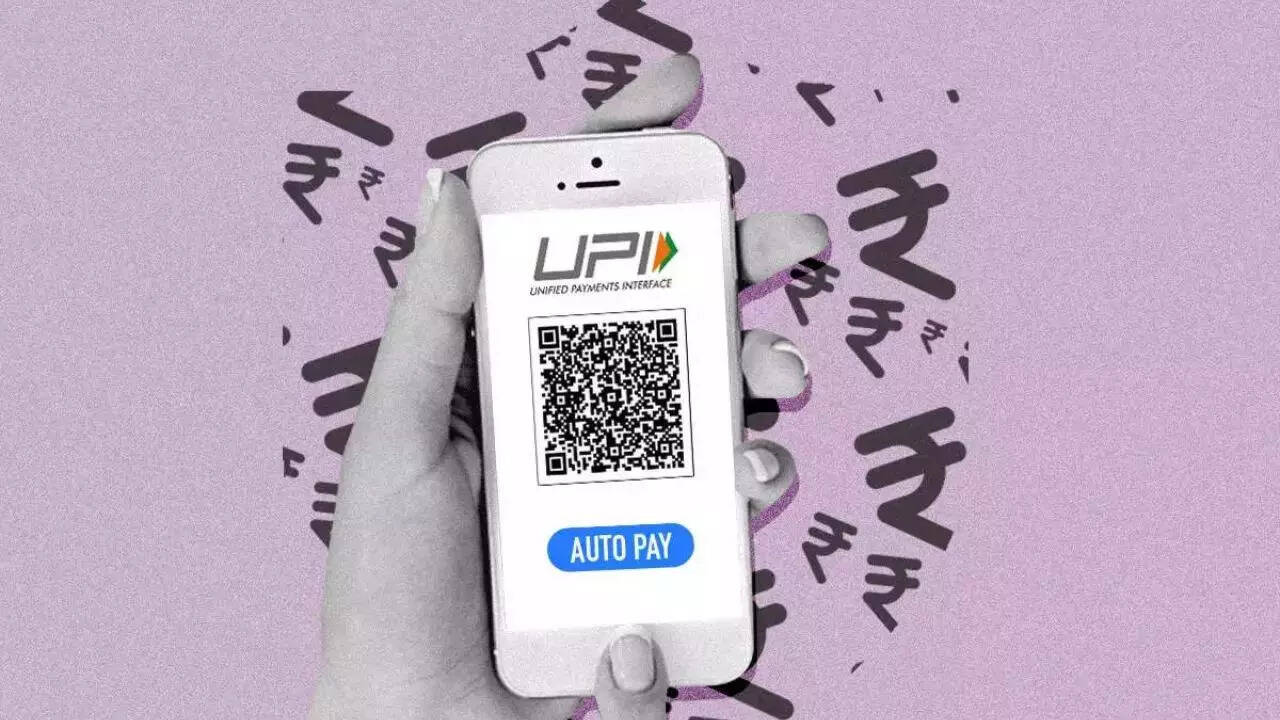
In this article, we’ll explore essential steps to keep your UPI account safe from fraudsters while highlighting the importance of vigilance in the digital era.
Understanding UPI and How It Works
UPI, launched in 2016, has transformed the way individuals transfer money. Developed by the National Payments Corporation of India (NPCI) and regulated by the Reserve Bank of India (RBI), UPI allows users to send or receive funds instantly, 24/7, using a UPI-enabled bank account. Each user is assigned a unique UPI address, enabling seamless transactions without needing to share sensitive bank details.
One of the reasons UPI has gained massive popularity is its simplicity and speed compared to traditional methods of payment. However, the rise in its usage has opened doors for cybercriminals to exploit unsuspecting users. From phishing scams to impersonating legitimate businesses, fraudsters employ various tactics to siphon money from UPI users. Therefore, it is crucial to stay informed about the risks and take preventive measures to secure your transactions.
1. Never Share Your UPI PIN or OTP
A critical rule for using UPI safely is to keep your UPI PIN and OTP (One-Time Password) private. Fraudsters often pose as representatives of banks, government institutions, or service providers, requesting these details under the guise of resolving technical issues or completing KYC (Know Your Customer) updates.
Remember, no legitimate institution will ever ask for your UPI PIN, OTP, or password. If you receive such calls or messages, it’s likely a scam attempt. Always ignore these requests and report them immediately.
2. Avoid Granting Remote Access to Your Device
Scammers may contact you, offering assistance with completing a KYC process or fixing a payment-related issue, and ask for remote access to your phone or computer. Once they have control of your device, they can steal sensitive information, including UPI details, and gain access to your bank account.
To avoid falling victim to such scams, never provide anyone with access to your phone or computer, no matter how convincing they may seem. Legitimate customer support agents will never request remote access for payment-related queries.
3. Be Cautious of Suspicious Links and Requests
One of the most common tactics used by UPI fraudsters is sending random links via SMS, email, or social media, encouraging users to claim rewards or cashback. Clicking on these links can lead to fraudulent websites designed to collect your personal information, including your UPI PIN, allowing scammers to steal money from your account.
Before making any UPI payment, always verify the link and double-check the account holder’s name. Never proceed with transactions via unsolicited links, and be cautious of payment requests from unknown sources.
4. Regularly Change Your UPI PIN
An often-overlooked security measure is regularly changing your UPI PIN. While it’s easy to keep the same PIN for convenience, updating it frequently (such as every three months) can significantly reduce the risk of fraud. This simple habit will add an extra layer of security to your UPI account, keeping it safer from potential breaches.
Make it a point to review your UPI settings and update your PIN as part of your routine digital security practices.
5. Decline Payment Requests from Unknown Sources
Fraudsters may attempt to deceive users by sending payment requests or QR codes that prompt them to enter their UPI PIN to receive money. In reality, these transactions work in the opposite way – entering your UPI PIN during such a process will deduct money from your account instead of receiving it.
Always be cautious when receiving payment requests from unknown contacts. If a payment request seems suspicious, decline it immediately. Additionally, never scan QR codes from untrusted sources or input your UPI PIN to claim a payment.
Basic Dos and Don’ts for UPI Security
To ensure maximum protection against UPI fraud, it’s essential to follow a few basic dos and don’ts:
Dos
Regularly monitor your transaction history for any unusual activity.
Immediately report any suspicious activity to your bank or the concerned authorities.
Ensure you are connected to a secure Wi-Fi network when making UPI transactions.
Don’ts
Never accept payment requests requiring you to enter your UPI PIN or OTP.
Don’t share your UPI details for KYC or technical assistance purposes.
Refrain from accepting any payment requests from unknown contacts or accounts.
While UPI has undoubtedly simplified how we manage payments, it has also led to an increase in fraud cases. By following these essential security tips, you can enjoy the benefits of digital payments while keeping your account safe from scammers. Remember, awareness is your first line of defence, and practising these steps can go a long way in protecting you from potential UPI fraud.
Always stay alert, and in case of any fraudulent activity, report it immediately to your bank or the appropriate authorities.
In this article, we’ll explore essential steps to keep your UPI account safe from fraudsters while highlighting the importance of vigilance in the digital era.
Understanding UPI and How It Works
UPI, launched in 2016, has transformed the way individuals transfer money. Developed by the National Payments Corporation of India (NPCI) and regulated by the Reserve Bank of India (RBI), UPI allows users to send or receive funds instantly, 24/7, using a UPI-enabled bank account. Each user is assigned a unique UPI address, enabling seamless transactions without needing to share sensitive bank details.
One of the reasons UPI has gained massive popularity is its simplicity and speed compared to traditional methods of payment. However, the rise in its usage has opened doors for cybercriminals to exploit unsuspecting users. From phishing scams to impersonating legitimate businesses, fraudsters employ various tactics to siphon money from UPI users. Therefore, it is crucial to stay informed about the risks and take preventive measures to secure your transactions.
1. Never Share Your UPI PIN or OTP
A critical rule for using UPI safely is to keep your UPI PIN and OTP (One-Time Password) private. Fraudsters often pose as representatives of banks, government institutions, or service providers, requesting these details under the guise of resolving technical issues or completing KYC (Know Your Customer) updates.
Remember, no legitimate institution will ever ask for your UPI PIN, OTP, or password. If you receive such calls or messages, it’s likely a scam attempt. Always ignore these requests and report them immediately.
2. Avoid Granting Remote Access to Your Device
Scammers may contact you, offering assistance with completing a KYC process or fixing a payment-related issue, and ask for remote access to your phone or computer. Once they have control of your device, they can steal sensitive information, including UPI details, and gain access to your bank account.
To avoid falling victim to such scams, never provide anyone with access to your phone or computer, no matter how convincing they may seem. Legitimate customer support agents will never request remote access for payment-related queries.
3. Be Cautious of Suspicious Links and Requests
One of the most common tactics used by UPI fraudsters is sending random links via SMS, email, or social media, encouraging users to claim rewards or cashback. Clicking on these links can lead to fraudulent websites designed to collect your personal information, including your UPI PIN, allowing scammers to steal money from your account.
Before making any UPI payment, always verify the link and double-check the account holder’s name. Never proceed with transactions via unsolicited links, and be cautious of payment requests from unknown sources.
4. Regularly Change Your UPI PIN
An often-overlooked security measure is regularly changing your UPI PIN. While it’s easy to keep the same PIN for convenience, updating it frequently (such as every three months) can significantly reduce the risk of fraud. This simple habit will add an extra layer of security to your UPI account, keeping it safer from potential breaches.
Make it a point to review your UPI settings and update your PIN as part of your routine digital security practices.
5. Decline Payment Requests from Unknown Sources
Fraudsters may attempt to deceive users by sending payment requests or QR codes that prompt them to enter their UPI PIN to receive money. In reality, these transactions work in the opposite way – entering your UPI PIN during such a process will deduct money from your account instead of receiving it.
Always be cautious when receiving payment requests from unknown contacts. If a payment request seems suspicious, decline it immediately. Additionally, never scan QR codes from untrusted sources or input your UPI PIN to claim a payment.
Basic Dos and Don’ts for UPI Security
To ensure maximum protection against UPI fraud, it’s essential to follow a few basic dos and don’ts:
Dos
- Set a daily transaction limit for UPI payments to reduce the potential for large-scale fraud.
- Avoid clicking on links or opening emails from unknown or suspicious sources.
Always stay alert, and in case of any fraudulent activity, report it immediately to your bank or the appropriate authorities.
Next Story