
From ₹2.1 Crore Funds to Rusted Poles: What Went Wrong at Rohtak’s Rajiv Gandhi Sports Complex

The tragic deaths of two teenage basketball players in Haryana - one in Rohtak and another in neighboring Bahadurgarh - have thrown a spotlight on the dire state of public sports infrastructure in the state. In a hard-hitting report, young athletes from Rohtak described their local stadiums and courts as “unfit for practice.”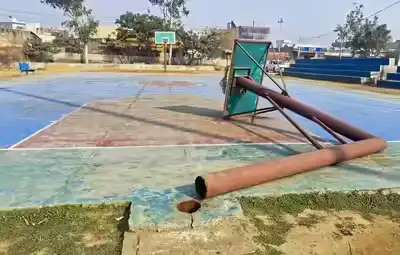
At the heart of the problem is the Rajiv Gandhi Sports Complex in Rohtak, along with the older Sir Chhotu Ram Stadium. According to players, the complex - once envisioned as a hub for nurturing talent - is now riddled with dangerous flaws: uneven, rough surfaces on courts; broken seating and furniture; damaged or unusable washrooms; lack of drinking water; missing changing rooms; overgrown greenery; loose doors; and more. One 12-year-old athlete reported that even basic water supply and sanitary facilities were missing.
The last straw was the untimely death of a 16-year-old national-level player, Hardik Rathi, from Lakhan Majra village. A rusted iron pole - part of a basketball hoop - collapsed during practice and struck him in the chest. CCTV footage captured the horrifying moment: he attempted a dunk, hung on the rim, and the pole buckled under the weight. Within days, another 15-year-old boy died in a similar incident in Bahadurgarh.
Following public outrage, the state’s sports department said it had released ₹2.1 crore for maintenance of 14 stadiums across Rohtak district, claiming that aged and rusted poles and equipment had been removed and repairs initiated.
But athletes and coaches say that these actions are insufficient - little seems to have changed on the ground. Meanwhile, local politicians and sports activists have accused the administration of gross neglect and demanded accountability. Former MP Deepender Hooda and former wrestler Vinesh Phogat, among others, have called the deaths “avoidable” and “proof of systemic failure,” demanding proper audits, suspension of negligent officers, and long-term reforms in infrastructure safety.
In response, the state’s top leadership - including Chief Minister Nayab Singh Saini - ordered a thorough inspection of all public sports complexes across Haryana. Use of unsafe infrastructure was halted immediately, and district sports officers were directed to expedite repairs and maintenance.
Despite these measures, experts warn the problem is structural and deep-rooted. Many stadiums in the state were built years ago and have suffered chronic neglect. A recent audit had flagged that a majority of such complexes in Haryana were unfit for sports - citing poorly drained fields, broken boundary walls, and lack of basic amenities such as water, electricity, and toilets, all contributing to unsafe conditions.
What these incidents and the ensuing public outcry highlight is the grim cost of neglect - human lives. For hopeful young athletes, many from humble backgrounds, public stadiums were often their only option. Now, they may abandon them entirely. If genuine reform does not follow, the promise of sports opportunities for young talent in Haryana may wither away.
There is an urgent need for transparent audits, timely maintenance, safety certification of equipment, regular inspections - and real accountability. Without these, such tragedies may well repeat themselves.
At the heart of the problem is the Rajiv Gandhi Sports Complex in Rohtak, along with the older Sir Chhotu Ram Stadium. According to players, the complex - once envisioned as a hub for nurturing talent - is now riddled with dangerous flaws: uneven, rough surfaces on courts; broken seating and furniture; damaged or unusable washrooms; lack of drinking water; missing changing rooms; overgrown greenery; loose doors; and more. One 12-year-old athlete reported that even basic water supply and sanitary facilities were missing.
The last straw was the untimely death of a 16-year-old national-level player, Hardik Rathi, from Lakhan Majra village. A rusted iron pole - part of a basketball hoop - collapsed during practice and struck him in the chest. CCTV footage captured the horrifying moment: he attempted a dunk, hung on the rim, and the pole buckled under the weight. Within days, another 15-year-old boy died in a similar incident in Bahadurgarh.
Following public outrage, the state’s sports department said it had released ₹2.1 crore for maintenance of 14 stadiums across Rohtak district, claiming that aged and rusted poles and equipment had been removed and repairs initiated.
But athletes and coaches say that these actions are insufficient - little seems to have changed on the ground. Meanwhile, local politicians and sports activists have accused the administration of gross neglect and demanded accountability. Former MP Deepender Hooda and former wrestler Vinesh Phogat, among others, have called the deaths “avoidable” and “proof of systemic failure,” demanding proper audits, suspension of negligent officers, and long-term reforms in infrastructure safety.
In response, the state’s top leadership - including Chief Minister Nayab Singh Saini - ordered a thorough inspection of all public sports complexes across Haryana. Use of unsafe infrastructure was halted immediately, and district sports officers were directed to expedite repairs and maintenance.
Despite these measures, experts warn the problem is structural and deep-rooted. Many stadiums in the state were built years ago and have suffered chronic neglect. A recent audit had flagged that a majority of such complexes in Haryana were unfit for sports - citing poorly drained fields, broken boundary walls, and lack of basic amenities such as water, electricity, and toilets, all contributing to unsafe conditions.
What these incidents and the ensuing public outcry highlight is the grim cost of neglect - human lives. For hopeful young athletes, many from humble backgrounds, public stadiums were often their only option. Now, they may abandon them entirely. If genuine reform does not follow, the promise of sports opportunities for young talent in Haryana may wither away.
There is an urgent need for transparent audits, timely maintenance, safety certification of equipment, regular inspections - and real accountability. Without these, such tragedies may well repeat themselves.
Next Story