
Alcohol in Your Fuel Tank? India’s E85 Plan Explained

India is preparing for a major shift in how vehicles are powered, with the government working on draft rules to introduce E85 fuel, a blend containing 85% ethanol, essentially a form of alcohol, and 15% petrol. The move, led by Nitin Gadkari, signals the next phase in India’s aggressive ethanol blending strategy.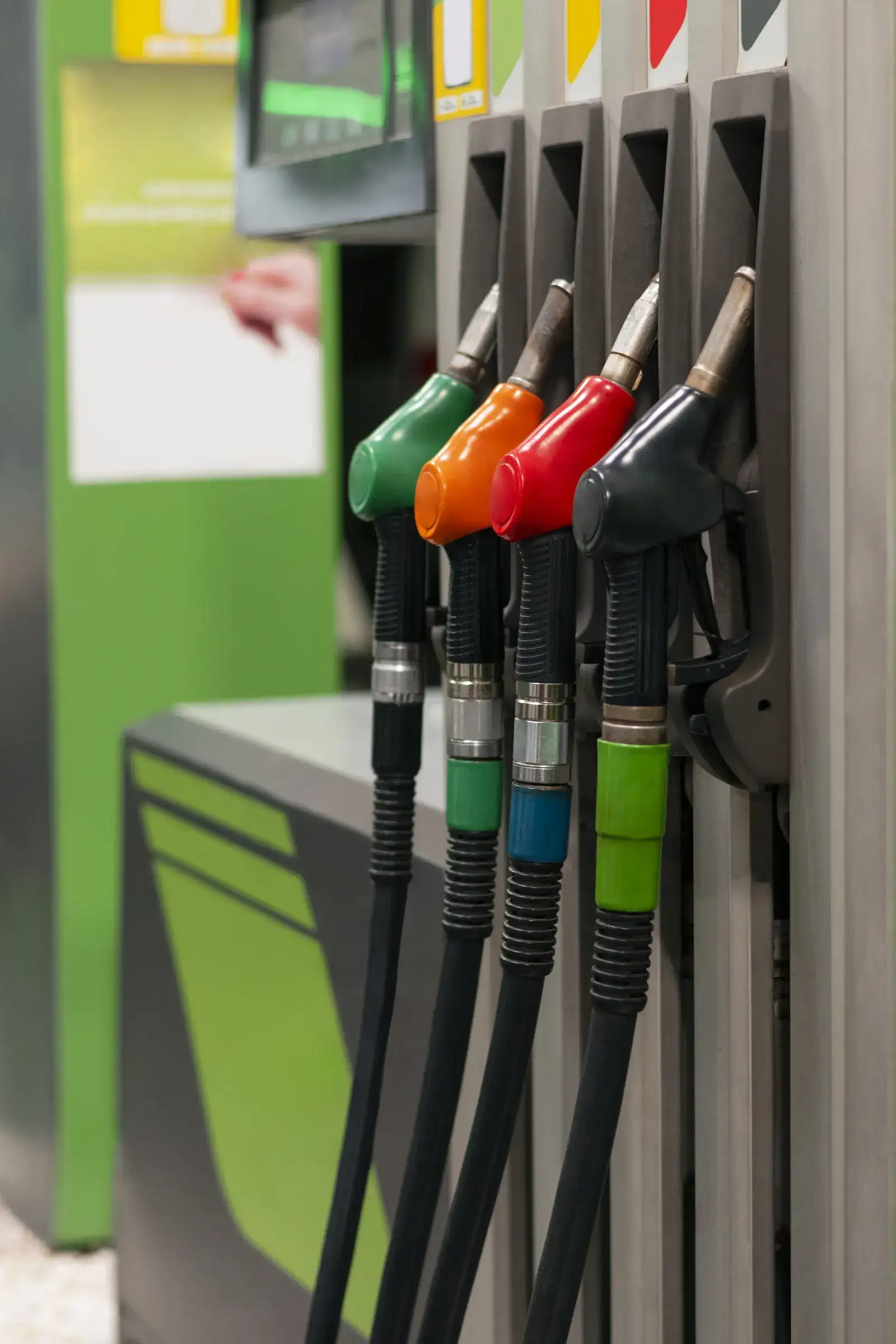
E85 fuel goes significantly beyond the current E20 standard, which contains 20% ethanol and has already been rolled out across the country. The transition to E85 is aimed at accelerating the use of biofuels, especially in flex-fuel vehicles that can run on multiple fuel types.
The push for ethanol is driven largely by India’s dependence on imported crude oil. The country imports nearly 85% of its oil needs, making it vulnerable to global price fluctuations and supply disruptions. By increasing the use of ethanol produced domestically from crops like sugarcane and maize the government is aiming to reduce this dependence and strengthen energy security.
There is also a strong environmental angle to the move. Ethanol burns cleaner than conventional petrol and can help lower carbon emissions. As India works toward its climate commitments, higher ethanol blending is being positioned as a practical step toward reducing the transport sector’s carbon footprint.
Another key benefit lies in agriculture. Increased ethanol production creates additional demand for crops, offering farmers new revenue streams. This linkage between fuel and farming has been a central pillar of the government’s ethanol policy, helping balance both economic and environmental goals.
However, the transition to E85 is not without challenges. One of the biggest concerns is vehicle compatibility. While newer flex-fuel vehicles are being designed to handle higher ethanol blends, older vehicles may not perform efficiently with E85. The upcoming draft rules are expected to define testing standards and ensure that manufacturers adapt to these requirements.
Infrastructure is another hurdle. Moving to E85 will require scaling up ethanol production, ensuring consistent supply, and upgrading fuel distribution systems across the country. This shift will need coordination between oil companies, automobile manufacturers, and policymakers.
There are also concerns around food security and water usage, as crops like sugarcane require significant resources. Balancing fuel production with agricultural sustainability will be critical as India expands its ethanol programme.
Despite these challenges, the direction is clear. India is steadily moving toward a flex-fuel ecosystem where vehicles can run on higher blends of ethanol, reducing reliance on fossil fuels.
In simple terms, E85 fuel is not just about adding alcohol to petrol. It represents a broader transformation in India’s energy strategy one that connects agriculture, environment, and economic resilience. If implemented effectively, it could redefine how the country fuels its future.
E85 fuel goes significantly beyond the current E20 standard, which contains 20% ethanol and has already been rolled out across the country. The transition to E85 is aimed at accelerating the use of biofuels, especially in flex-fuel vehicles that can run on multiple fuel types.
The push for ethanol is driven largely by India’s dependence on imported crude oil. The country imports nearly 85% of its oil needs, making it vulnerable to global price fluctuations and supply disruptions. By increasing the use of ethanol produced domestically from crops like sugarcane and maize the government is aiming to reduce this dependence and strengthen energy security.
There is also a strong environmental angle to the move. Ethanol burns cleaner than conventional petrol and can help lower carbon emissions. As India works toward its climate commitments, higher ethanol blending is being positioned as a practical step toward reducing the transport sector’s carbon footprint.
Another key benefit lies in agriculture. Increased ethanol production creates additional demand for crops, offering farmers new revenue streams. This linkage between fuel and farming has been a central pillar of the government’s ethanol policy, helping balance both economic and environmental goals.
However, the transition to E85 is not without challenges. One of the biggest concerns is vehicle compatibility. While newer flex-fuel vehicles are being designed to handle higher ethanol blends, older vehicles may not perform efficiently with E85. The upcoming draft rules are expected to define testing standards and ensure that manufacturers adapt to these requirements.
Infrastructure is another hurdle. Moving to E85 will require scaling up ethanol production, ensuring consistent supply, and upgrading fuel distribution systems across the country. This shift will need coordination between oil companies, automobile manufacturers, and policymakers.
There are also concerns around food security and water usage, as crops like sugarcane require significant resources. Balancing fuel production with agricultural sustainability will be critical as India expands its ethanol programme.
Despite these challenges, the direction is clear. India is steadily moving toward a flex-fuel ecosystem where vehicles can run on higher blends of ethanol, reducing reliance on fossil fuels.
In simple terms, E85 fuel is not just about adding alcohol to petrol. It represents a broader transformation in India’s energy strategy one that connects agriculture, environment, and economic resilience. If implemented effectively, it could redefine how the country fuels its future.
Next Story