
Black vs White Cars: Which Stays Cooler in Hot Weather?

Step into a car that has been parked under the summer sun and you instantly feel the heat. It often leads to one common question: does car colour really make a difference? Many believe black cars turn into ovens while white cars stay relatively cooler. The reality is a bit more nuanced.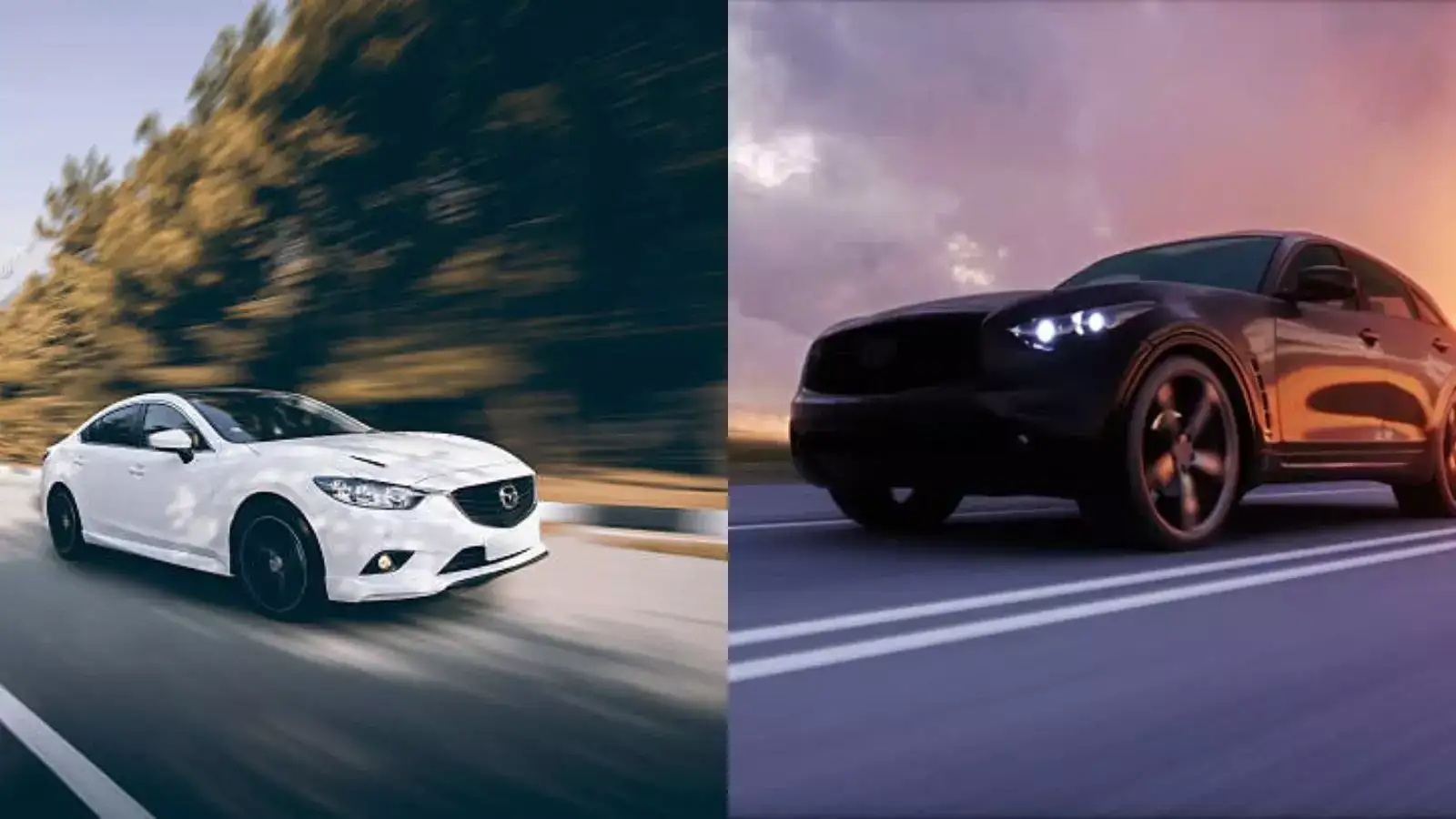
How Sunlight Interacts With Car Colour
Sunlight carries both visible light and infrared radiation, which produces heat. Dark colours absorb most wavelengths of light and convert them into heat energy. Black, being the darkest shade, absorbs nearly all incoming radiation. White, on the other hand, reflects a large portion of sunlight, which means it absorbs less heat at the surface level.
Because of this, a black car parked in direct sunlight will usually have a hotter exterior surface than a white car sitting next to it under the same conditions. Research conducted in warm climates has shown that darker vehicles can register noticeably higher surface temperatures compared to lighter ones.
What About the Temperature Inside the Car?
The cabin temperature rises mainly due to the greenhouse effect. Sunlight enters through the windows and heats interior surfaces such as the dashboard, seats, and steering wheel. The heat becomes trapped inside, causing the air temperature to climb quickly.
Even though the exterior colour plays a role, both black and white cars can reach very high internal temperatures if left in the sun. Studies suggest that the interior of a black car may be a few degrees warmer than that of a white car in identical conditions, but the difference is usually modest. On extremely hot days, both can become uncomfortably warm within minutes.
Interior Trim Makes a Bigger Impact
Interestingly, the colour and material inside the car can influence comfort more than the paint outside. Dark dashboards and upholstery absorb and hold more heat than lighter interiors. A vehicle with beige or light grey seats may feel less intense compared to one with all-black interiors, even if both are parked side by side.
Material quality also matters. Leather, for example, can become hotter to the touch than fabric. Features such as ventilated seats, tinted windows, and efficient climate control systems can significantly reduce discomfort.
Practical Ways to Keep Your Car Cooler
Instead of relying solely on colour choice, simple habits can help control heat buildup:
These measures often make a bigger difference than choosing white over black.
So, Should Colour Influence Your Decision?
In very hot regions, a white or lighter-coloured car may offer a slight advantage in reducing surface heat. However, the temperature difference is typically not large enough to be the sole deciding factor when buying a car. Design preference, resale value, maintenance, and interior features may matter more in the long run.
Black cars do absorb more heat, but overall comfort depends on a combination of factors. With the right precautions and features, any car can stay reasonably comfortable even during peak summer months.
How Sunlight Interacts With Car Colour
Sunlight carries both visible light and infrared radiation, which produces heat. Dark colours absorb most wavelengths of light and convert them into heat energy. Black, being the darkest shade, absorbs nearly all incoming radiation. White, on the other hand, reflects a large portion of sunlight, which means it absorbs less heat at the surface level. Because of this, a black car parked in direct sunlight will usually have a hotter exterior surface than a white car sitting next to it under the same conditions. Research conducted in warm climates has shown that darker vehicles can register noticeably higher surface temperatures compared to lighter ones.
What About the Temperature Inside the Car?
The cabin temperature rises mainly due to the greenhouse effect. Sunlight enters through the windows and heats interior surfaces such as the dashboard, seats, and steering wheel. The heat becomes trapped inside, causing the air temperature to climb quickly. Even though the exterior colour plays a role, both black and white cars can reach very high internal temperatures if left in the sun. Studies suggest that the interior of a black car may be a few degrees warmer than that of a white car in identical conditions, but the difference is usually modest. On extremely hot days, both can become uncomfortably warm within minutes.
You may also like
- How Many Made-in-India Cars Are Exported to the Middle East? Here's How the War Could Impact It
- Car Tips: These Car Parts Are Most Vulnerable in Summer—Don't Ignore Them
- Mahindra Launches Special Edition Electric SUV, Set to Take On Chinese BYD
- Tata Electric Cars : From the Tiago to the luxury Avinya, these 3 Tata electric cars will be launched in 2026
- Petrol–Diesel Under Pressure! These Were India's Best-Selling Electric Cars in January 2026
Interior Trim Makes a Bigger Impact
Interestingly, the colour and material inside the car can influence comfort more than the paint outside. Dark dashboards and upholstery absorb and hold more heat than lighter interiors. A vehicle with beige or light grey seats may feel less intense compared to one with all-black interiors, even if both are parked side by side. Material quality also matters. Leather, for example, can become hotter to the touch than fabric. Features such as ventilated seats, tinted windows, and efficient climate control systems can significantly reduce discomfort.
Practical Ways to Keep Your Car Cooler
Instead of relying solely on colour choice, simple habits can help control heat buildup: - Park in shaded areas whenever possible
- Use reflective windshield sunshades
- Install tinted windows where legally permitted
- Crack windows slightly to allow airflow
- Start the air conditioning with windows open for a few seconds to release trapped hot air
These measures often make a bigger difference than choosing white over black.
So, Should Colour Influence Your Decision?
In very hot regions, a white or lighter-coloured car may offer a slight advantage in reducing surface heat. However, the temperature difference is typically not large enough to be the sole deciding factor when buying a car. Design preference, resale value, maintenance, and interior features may matter more in the long run. Black cars do absorb more heat, but overall comfort depends on a combination of factors. With the right precautions and features, any car can stay reasonably comfortable even during peak summer months.






More from our partners


Loving Newspoint? Download the app now
