
Eco-Driving Essentials: How To Achieve Optimal Car Mileage & Sustainability

In today's world of soaring petrol and diesel prices, coupled with mounting concerns over environmental sustainability, the quest for maximising fuel efficiency has never been more crucial. Beyond simply saving money, adopting fuel-efficient driving practices plays a pivotal role in reducing carbon emissions and minimising our ecological footprint.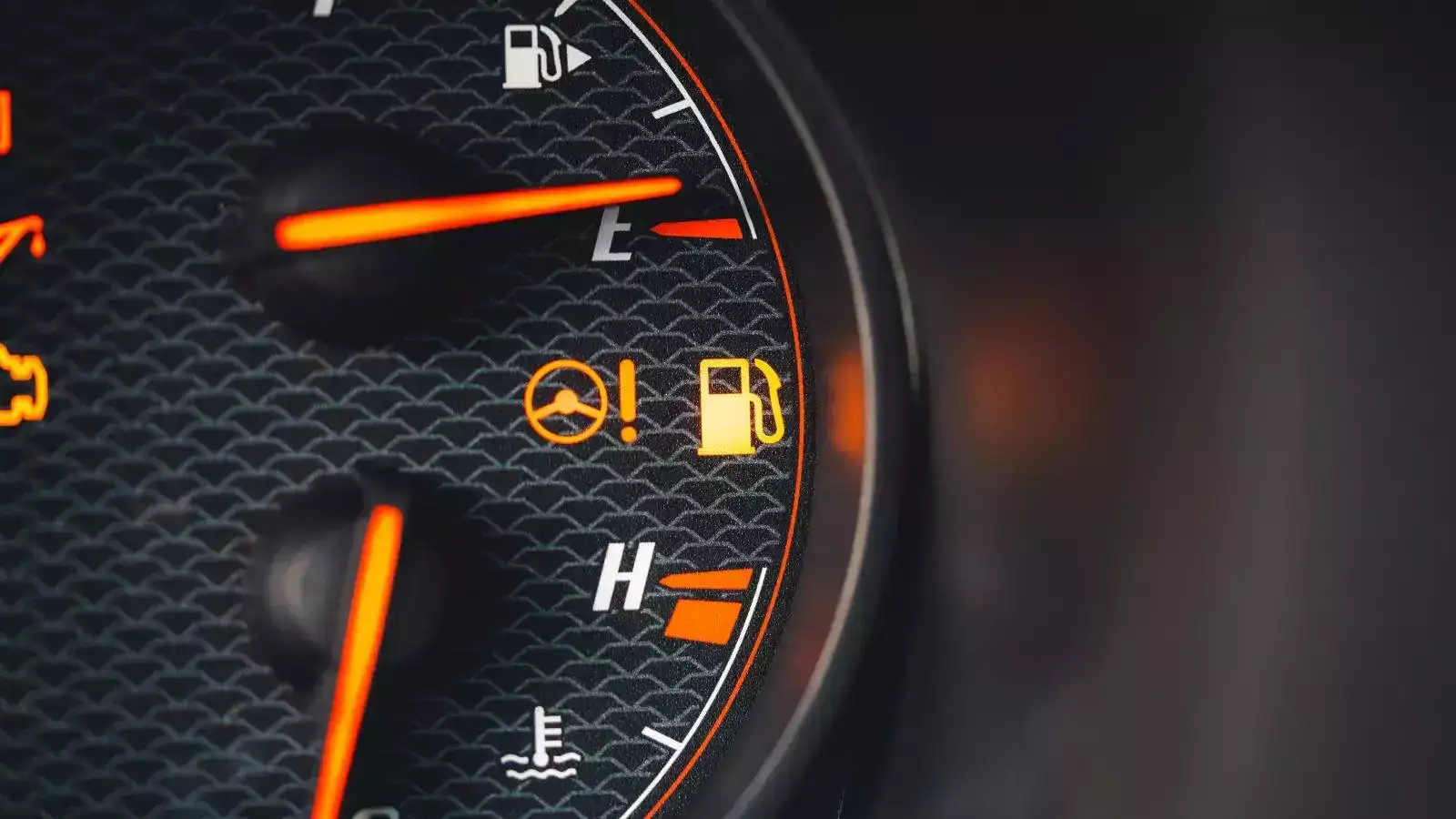
Fortunately, achieving greater fuel efficiency doesn't necessarily entail investing in expensive technologies or drastic lifestyle changes. By incorporating a few simple yet effective strategies into our driving habits, we can make significant strides towards both financial savings and environmental stewardship.
Keeping Tyres Inflated
One of the most overlooked yet impactful methods to enhance fuel efficiency lies in maintaining optimal tyre pressure. Under-inflated tyres not only compromise safety but also increase rolling resistance, forcing the engine to work harder and consume more fuel. By regularly checking and inflating tyres to the recommended levels, drivers can significantly reduce fuel consumption and prolong the lifespan of their tyres. It's a small adjustment that yields substantial benefits for both the pocket and the planet.
Driving Smoothly
In the fast-paced world of modern driving, aggressive behaviours such as rapid acceleration, speeding, and abrupt braking have become commonplace. However, these habits exact a heavy toll on fuel efficiency, leading to unnecessary fuel consumption and increased wear and tear on vehicles. By adopting a more mindful and measured approach to driving – maintaining a steady pace, anticipating traffic patterns, and minimising sudden movements – drivers can not only save fuel but also contribute to safer and more sustainable roads.
Removing Excess Weight
The clutter that accumulates within our vehicles often goes unnoticed, yet it adds unnecessary weight that directly translates into higher fuel consumption. By taking the time to declutter and remove non-essential items from the car, drivers can lighten the load and improve fuel efficiency. From unnecessary luggage to forgotten sports equipment, every pound shed contributes to greater fuel savings and a lighter environmental footprint.
Regular Maintenance Regimen
A well-maintained vehicle is inherently more fuel-efficient. Adhering to the manufacturer's recommended maintenance schedule – including routine oil changes, air filter replacements, and tune-ups – ensures that the engine operates at peak efficiency. A clean air filter and properly lubricated engine not only improve fuel economy but also extend the lifespan of the vehicle, underscoring the importance of proactive maintenance in both financial and environmental terms.
Optimising Air Conditioning Use
While air conditioning offers respite from scorching temperatures, its indiscriminate use can exact a toll on fuel efficiency. By judiciously managing air conditioning usage – relying on it sparingly and exploring alternative cooling methods such as open windows or the ventilation system – drivers can strike a balance between comfort and conservation. This mindful approach not only reduces fuel consumption but also minimises the strain on the engine, resulting in a win-win scenario for both the driver and the environment.
Enhancing fuel efficiency transcends mere cost-saving measures – it embodies a conscious commitment to environmental sustainability and responsible stewardship of finite resources. By implementing these straightforward yet impactful strategies into our daily driving routines, we can navigate towards a future where every journey is not only economical but also ecologically sound.
Fortunately, achieving greater fuel efficiency doesn't necessarily entail investing in expensive technologies or drastic lifestyle changes. By incorporating a few simple yet effective strategies into our driving habits, we can make significant strides towards both financial savings and environmental stewardship.
Keeping Tyres Inflated
One of the most overlooked yet impactful methods to enhance fuel efficiency lies in maintaining optimal tyre pressure. Under-inflated tyres not only compromise safety but also increase rolling resistance, forcing the engine to work harder and consume more fuel. By regularly checking and inflating tyres to the recommended levels, drivers can significantly reduce fuel consumption and prolong the lifespan of their tyres. It's a small adjustment that yields substantial benefits for both the pocket and the planet.
Driving Smoothly
In the fast-paced world of modern driving, aggressive behaviours such as rapid acceleration, speeding, and abrupt braking have become commonplace. However, these habits exact a heavy toll on fuel efficiency, leading to unnecessary fuel consumption and increased wear and tear on vehicles. By adopting a more mindful and measured approach to driving – maintaining a steady pace, anticipating traffic patterns, and minimising sudden movements – drivers can not only save fuel but also contribute to safer and more sustainable roads.
Removing Excess Weight
The clutter that accumulates within our vehicles often goes unnoticed, yet it adds unnecessary weight that directly translates into higher fuel consumption. By taking the time to declutter and remove non-essential items from the car, drivers can lighten the load and improve fuel efficiency. From unnecessary luggage to forgotten sports equipment, every pound shed contributes to greater fuel savings and a lighter environmental footprint.
Regular Maintenance Regimen
A well-maintained vehicle is inherently more fuel-efficient. Adhering to the manufacturer's recommended maintenance schedule – including routine oil changes, air filter replacements, and tune-ups – ensures that the engine operates at peak efficiency. A clean air filter and properly lubricated engine not only improve fuel economy but also extend the lifespan of the vehicle, underscoring the importance of proactive maintenance in both financial and environmental terms.
Optimising Air Conditioning Use
While air conditioning offers respite from scorching temperatures, its indiscriminate use can exact a toll on fuel efficiency. By judiciously managing air conditioning usage – relying on it sparingly and exploring alternative cooling methods such as open windows or the ventilation system – drivers can strike a balance between comfort and conservation. This mindful approach not only reduces fuel consumption but also minimises the strain on the engine, resulting in a win-win scenario for both the driver and the environment.
Enhancing fuel efficiency transcends mere cost-saving measures – it embodies a conscious commitment to environmental sustainability and responsible stewardship of finite resources. By implementing these straightforward yet impactful strategies into our daily driving routines, we can navigate towards a future where every journey is not only economical but also ecologically sound.
Next Story